
A Renaissance Revelation: The Soul of Florence
In the heart of the Oltrarno district, where the pulse of historic Florence beats with a quiet, enduring grace, lies the Museo di Santa Maria del Carmine . This is not merely a museum in the modern sense; it is a sacred sanctuary where the very foundations of Western painting were rewritten. To step within its walls is to enter a transformative era, a moment in time when the rigid hierarchies of the Middle Ages dissolved into the profound realism of the Renaissance. The museum serves as a breathtaking portal, inviting art lovers and collectors alike to witness the precise moment when light, shadow, and human emotion converged to change the course of art history forever.
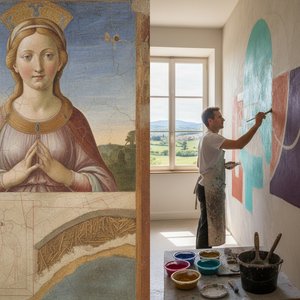
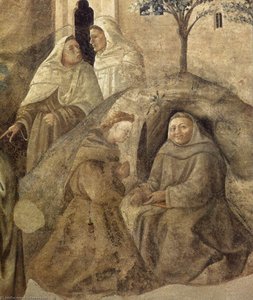
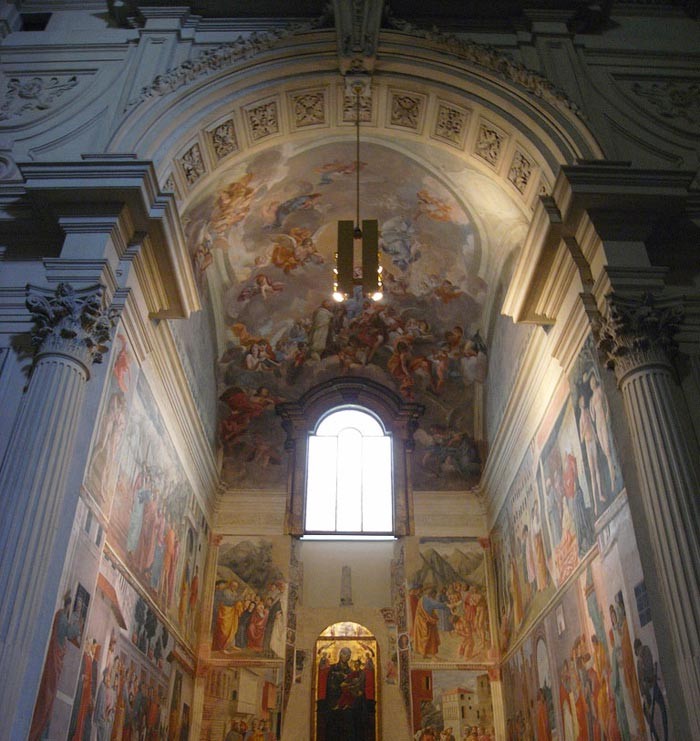
The true heartbeat of this institution resides within the legendary Brancacci Chapel . Here, the monumental fresco cycle by Masaccio and Masolino stands as one of the most significant achievements in the annals of human creativity. As you stand before these walls, you are witnessing the birth of modern painting. Through Masaccio’s revolutionary use of linear perspective, the flat surfaces of the past vanish, replaced by an illusion of profound depth that pulls the viewer into a three-dimensional world. The mastery of light and shadow— chiaroscuro —creates figures with a weight and presence that feel startlingly real. It is a place where the grief of St. Peter is rendered with such psychological complexity that it transcends the religious narrative, touching upon the universal human experience of loss and spiritual struggle.
Architectural Grandeur and Artistic Evolution
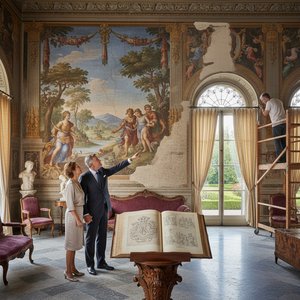
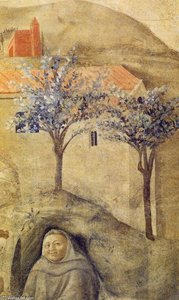
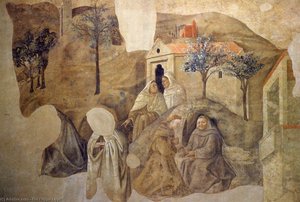
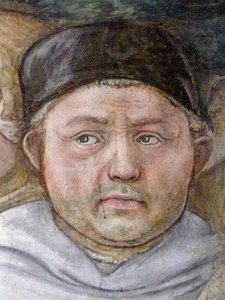
The architecture of the Carmine complex offers a captivating dialogue between different eras of Florentine history. The church itself is a structural testament to evolution, tracing its lineage from Romanesque origins through the grand expansions of the Renaissance. While the exterior presents a certain monastic simplicity, the interior reveals an opulent tapestry of artistic devotion. The soaring spaces are adorned with frescoes by masters such as Filippo Lippi and Benedetto da Rovezzano , creating a layered experience where architectural form and painterly decoration become inseparable. For the interior designer or admirer of classical aesthetics, the interplay between the starker structural elements and the delicate, flowing ornamentation provides endless inspiration.
Beyond the iconic Brancacci frescoes, the museum’s collection offers a sweeping journey through the shifting tides of Florentine taste. Visitors can trace the transition from the early Renaissance innovations to the more stylized, dramatic compositions of Mannerism . This evolution reflects the broader cultural shifts of the period—the rise of humanist ideals, the influence of powerful patronage, and the changing role of religious iconography in a society undergoing profound intellectual transformation. The museum frequently curates exhibitions that delve into these specific stylistic movements, offering deep scholarly insights into how artists responded to the changing aesthetic sensibilities of their time.
Ultimately, the Museo di Santa Maria del Carmine is a destination for those who seek more than just visual beauty; it is for those who crave a connection to the very essence of creativity. It offers a rare opportunity to contemplate masterpieces that redefined what it means to represent reality on a flat surface. Whether you are an art historian tracing the lineage of perspective, a collector seeking the roots of classical beauty, or a traveler wandering through the magic of Florence, the Carmine provides an immersive encounter with the spirit of innovation at its absolute zenith.