A Sanctuary of Sacred Splendor
Nestled within the venerable, soaring walls of the Cathedral of Valladolid, the Museo Diocesano y Catedralicio offers far more than a mere survey of religious artifacts; it provides a profound, immersive journey into the spiritual and artistic soul of Spain’s Golden Age. To step inside is to leave the modern world behind and enter a realm where the 15th and 16th centuries breathe through every gilded surface and carved shadow. The museum, established in 1965 within the former Collegiate Church of Santa María, functions as a living bridge between the earthly and the divine. Here, the architecture itself acts as a silent protagonist, with its majestic arches and stained-glass windows providing a hallowed backdrop that elevates each piece of art from a simple object to a vessel of profound theological meaning.
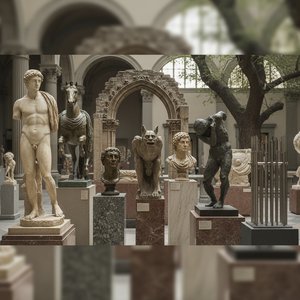
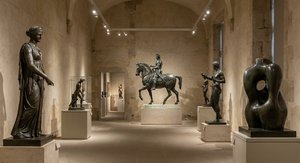
The collection is a breathtaking tapestry of devotion, meticulously curated to showcase the pinnacle of Spanish Renaissance craftsmanship. Visitors are often first captivated by the emotive power of the museum's sculptures, particularly those masterfully carved from wood and alabaster. The works of Gregorio Fernández, a titan of Spanish Baroque, command an almost visceral attention; his ability to imbue polychrome wood with such startling emotional realism—seen most poignantly in pieces like the Cristo de Fernández—can move even the most secular observer to tears. These figures, etched with the sorrow and ecstasy of the saints, serve as the heartbeat of the galleries, embodying a period when art was the primary language of faith.
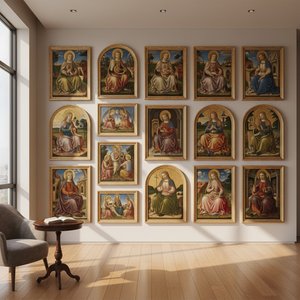
Beyond the sculptural triumphs, the museum houses an exquisite array of paintings that reflect the luminous influence of the Florentine Renaissance upon Iberian sensibilities. The ethereal frescoes and canvases by masters such as Fra Angelico and Juan de Arfe illuminate the space with a celestial glow, their compositions prioritizing an idealized beauty that seeks to mirror the heavens. This painterly splendor is complemented by a treasure trove of liturgical objects—intricate silver chalices, ornate reliquaries, and delicate vestments—that speak to the immense wealth and artistic sophistication of the ecclesiastical workshops. For the collector or designer, these pieces represent the height of historical luxury, where every detail of metalwork and textile was designed to honor the sacred.
The museum’s legacy is further enriched by its commitment to the preservation of intellectual and decorative history, frequently hosting exhibitions that delve into the delicate art of illuminated manuscripts. These elaborately decorated books, once the labor of dedicated monks, showcase a level of calligraphic mastery and pigment brilliance that continues to inspire awe. This dedication to scholarly dialogue and cultural heritage ensures that the Museo Diocesano y Catedralicio remains not just a relic of the past, but a vibrant center of artistic education. It is a place where the intersection of faith, history, and unparalleled human creativity invites every visitor to contemplate the enduring power of beauty.