

A Sanctuary of Modernity: The Soul of Madrid
In the heart of Madrid, nestled near the bustling Atocha station, lies a sanctuary where the echoes of the twentieth century find their most profound expression. The Museo Nacional Centro de Arte Reina Sofía is not merely a repository for canvases and sculptures; it is an emotional landscape that chronicles the triumphs, tragedies, and radical transformations of modern art. As part of the prestigious Golden Triangle of Art, this institution stands as a monumental pillar alongside the Prado and the Thyssen-Bornemisza, yet it possesses a distinct, visceral energy that sets it apart. It is a place where the air feels thick with the weight of history, inviting visitors to step out of the contemporary rush and into a dialogue with the masters who redefined our visual language.
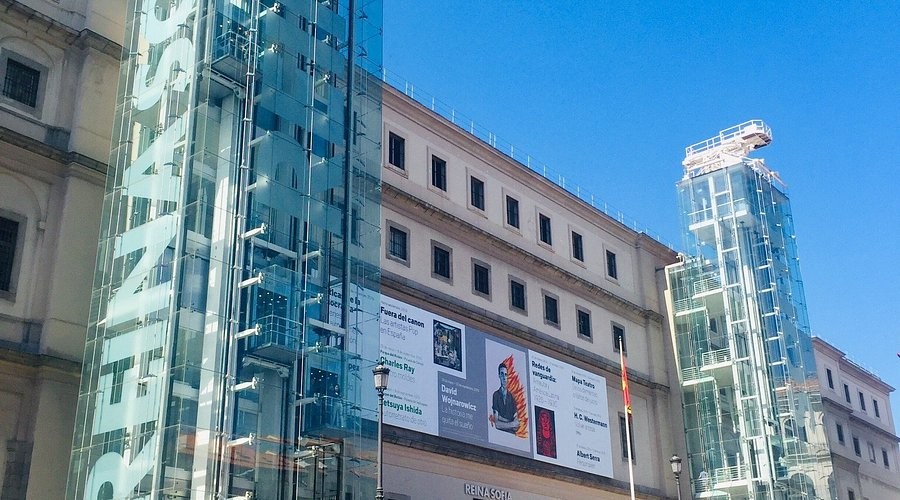
The museum’s architectural journey is as layered and complex as the art it houses. Originally conceived in the late 18th century as a grand neoclassical hospital, the structure bears the dignified marks of its imperial past, shaped by the hands of José de Hermosilla and Francisco Sabatini. However, the building underwent a breathtaking metamorphosis that mirrors the evolution of art itself. The addition of Ian Ritchie’s striking glass circulation towers in 1989 introduced a sense of transparency and light, acting as luminous beacons that draw the public into its creative depths. This dialogue between the historic stone and modern glass was further enriched by Jean Nouvel’s 2005 expansion, creating a seamless integration of old-world grandeur and avant-garde innovation that provides a sophisticated backdrop for both permanent collections and temporary wonders.
Masterpieces of Conflict and Dream
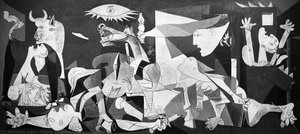
To walk through the halls of the Reina Sofía is to confront the raw power of human experience. The crown jewel of the collection, Pablo Picasso’s Guernica , remains an unparalleled emotional earthquake. Rendered in a haunting monochrome, this monumental work serves as a searing indictment of violence and a timeless symbol of the Spanish Civil War. Its fragmented, jagged imagery forces the viewer to grapple with the horrors of aerial bombardment, making it impossible to remain a detached observer. Standing before its vast scale, one feels the profound gravity of Picasso’s genius and the enduring resonance of human suffering.
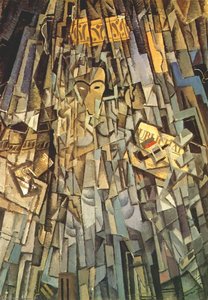
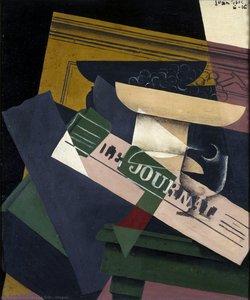
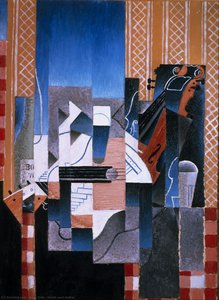
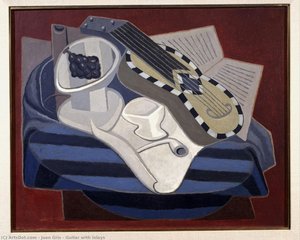
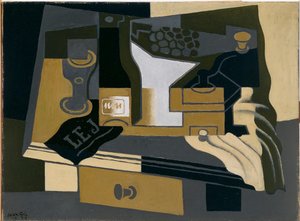
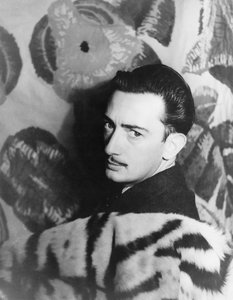
Yet, for every moment of stark reality, the museum offers a descent into the surreal and the whimsical. The collection is deeply anchored by the dreamlike visions of Salvador Dalí, whose works like The Endless Enigma and Swans Reflecting Elephants transport the soul to a realm where logic dissolves into meticulous, unsettling beauty. This sense of play and abstraction is further enriched by the presence of Joan Miró, whose vibrant explorations of form and color invite a more lyrical, poetic engagement with the canvas. The museum’s breadth extends far beyond Spanish borders, weaving together an international tapestry that includes the intense psychological depths of Francis Bacon, the structural innovations of Georges Braque, and the kinetic energy of Alexander Calder.
A Living Institution of Discovery
What truly distinguishes the Museo Reina Sofía is its refusal to remain static. While its permanent collection offers a foundational encounter with 20th-century greatness, the museum’s pulse is maintained through a dynamic and ever-changing exhibition program. These temporary showcases frequently delve into the shadows of art history, illuminating lesser-known artists and emerging movements that challenge our preconceived notions of beauty and meaning. From the critiques of consumer culture found in contemporary installations to deep dives into the evolution of abstraction, the museum acts as a laboratory for cultural thought.
For the collector, the interior designer, or the wandering aesthete, the Reina Sofía offers more than just visual pleasure; it offers inspiration. The institution’s commitment to education—manifested in its vast library and diverse public workshops—ensures that art remains a living, breathing part of the community. It is a place where the past is never truly gone, but rather repurposed and reimagined, much like the very walls of the museum itself. In every corner, from the quiet contemplation of a sculpture to the grand scale of a mural, there is an invitation to see the world through a more profound, more empathetic lens.