

A Renaissance Sanctuary Amidst the Roman Chaos
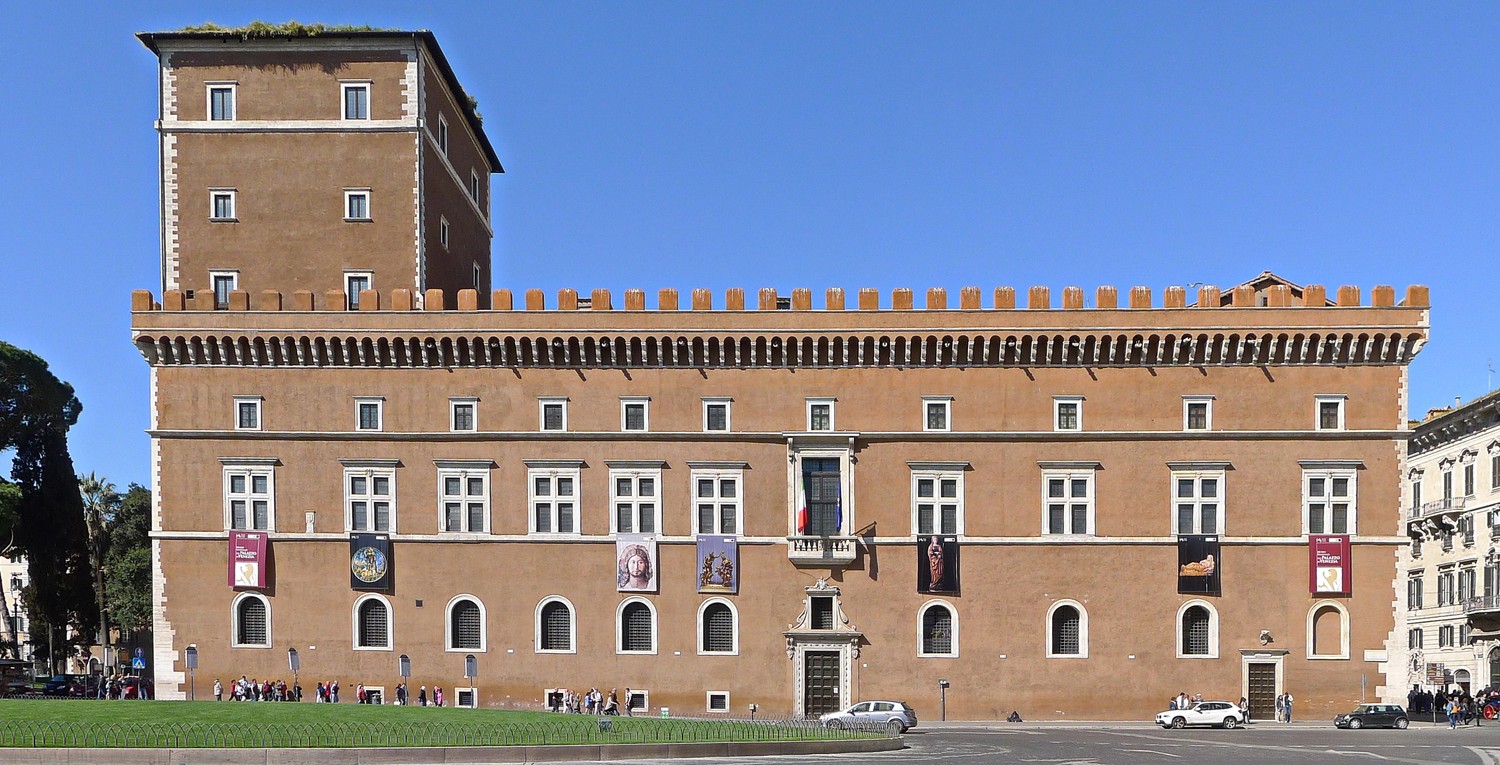
In the beating heart of Rome, where the echoes of ancient triumphs meet the bustling energy of modern life, stands the Museo Nazionale del Palazzo di Venezia . This is not merely a repository for relics; it is a living chronicle of Italian identity, a place where the grandeur of the Renaissance breathes through stone and pigment. To step inside the Palazzo Venezia is to cross a threshold into a different era, leaving behind the frantic pace of Piazza Venezia to enter a realm of profound stillness and artistic splendor. The museum offers an immersive journey that transcends simple observation, inviting visitors to lose themselves in the layered narratives of papal authority, Venetian legacy, and the transformative power of humanism.
The architecture itself serves as the first masterpiece one encounters. A breathtaking achievement of early Renaissance design, the palace embodies the principles of proportion and symmetry that defined an age of enlightenment. While historical whispers attribute its conception to the legendary Leone Battista Alberti, the structure stands as a monumental testament to the architectural ambitions of the era. Its imposing façade and expansive layout reflect a time when architecture was used to project both divine grace and earthly power. Walking through its halls, one feels the weight of history—from its origins as a cardinal's residence to its pivotal role as the papal seat for Pope Paul II, and even its more somber period as the headquarters of Mussolini, whose speeches once rang out from the palace balcony.
Masterpieces of Light, Shadow, and Spirit
The soul of the collection resides in its extraordinary paintings, which span the transformative centuries from the 14th to the 16th. The museum’s galleries act as windows into the Renaissance mind, where light is used not just to illuminate, but to evoke the divine. One cannot help but be moved by the serene, ethereal depictions of religious life found in the works of Fra Angelico ; his "Annunciation" remains a pinnacle of spiritual grace, capturing a moment of celestial intersection with human tenderness. In contrast, the enigmatic atmosphere of Giorgione offers a different kind of magic. His "Pastilion Concert" invites deep contemplation, utilizing soft transitions and atmospheric depth to explore themes of beauty and the mysteries of the natural world.
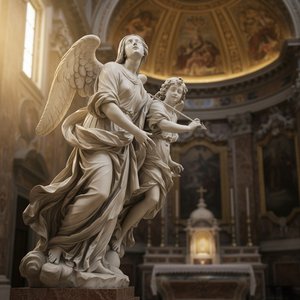
As the museum’s narrative shifts from the spiritual to the theatrical, the Baroque influence takes center stage through the dynamic sculptures of Bernini . Here, the stillness of the Renaissance gives way to an explosion of movement and emotion. In works such as "Apollo and Daphne," the marble seems to pulse with life, capturing the very instant of metamorphosis with a technical virtuosity that remains unparalleled. This tension between the eternal and the fleeting is what makes the collection so captivating for the modern eye—it provides a panoramic view of how Italian art evolved from the structured ideals of humanism to the dramatic, emotive heights of the Baroque.
A Tapestry of Antiquity and Decorative Elegance
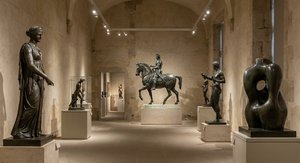
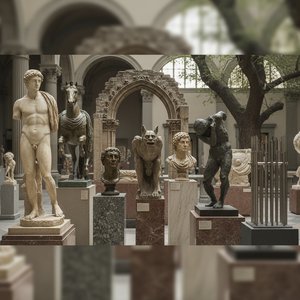
Beyond the celebrated canvases and sculptures, the Palazzo Venezia offers a profound encounter with Rome’s ancient foundations. The museum houses a diverse assemblage of archaeological treasures that illuminate the much older civilizations upon which Rome was built. Fragments of Etruscan tombs, intricate Roman mosaics, and weathered sculptures serve as tactile connections to an era of classical perfection. This exploration of the past is further enriched by the Wurts Collection , which brings a refined elegance to the museum through exquisite decorative arts from across Europe, offering a sophisticated counterpoint to the raw power of the ancient artifacts.
For those with an eye for detail and a passion for the intersection of art and environment, the Galleria Berardi provides a unique meta-narrative. Featuring the evocative work of Ferruccio Ferrazzi, this gallery depicts Roman art history within a grand gallery setting itself, creating a beautiful loop of reflection where the viewer observes art contemplating art. This museum is a destination that rewards the curious collector and the wandering soul alike; it is a place where the architectural majesty of the palace, the spiritual depth of the Renaissance, and the archaeological echoes of Rome converge to create an unforgettable cultural experience.