

A Voyage Through Time: The Soul of Korea’s Maritime Legacy
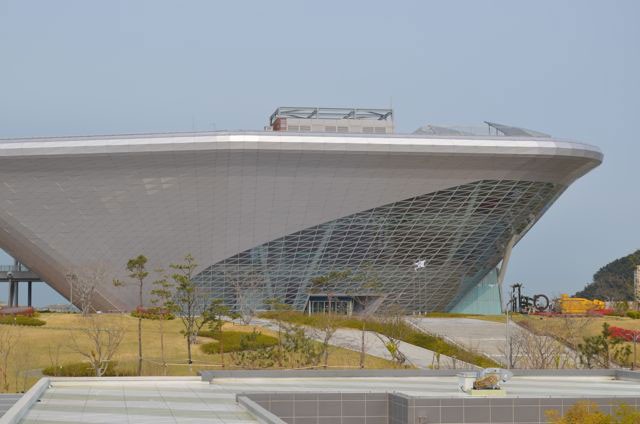
In the vibrant, salt-kissed atmosphere of Busan , where the modern pulse of South Korea meets the eternal rhythm of the tides, stands the National Maritime Museum of Korea . This is not merely a building of glass and steel; it is a profound architectural tribute to the fluidity of the ocean itself. As one approaches, the museum’s sleek, undulating design mirrors the cresting waves of the East Sea, inviting visitors into a sanctuary where history and innovation converge. For the art lover and the seeker of beauty, the museum offers more than just an educational excursion; it provides a sensory immersion into a world where the sea has been both a formidable adversary and a generous provider for millennia.
The heart of the collection beats with the grandeur of the Joseon era, most notably embodied in the breathtaking half-sized replica of a Joseon Missional Ship . To stand before this vessel is to witness the sheer ingenuity of ancient Korean shipwrights, whose craftsmanship allowed for diplomatic voyages across vast, uncertain horizons. This centerpiece serves as a silent narrator of an age of exploration, bridging the gap between the terrestrial and the oceanic. Surrounding this icon are treasures that speak to the scientific sophistication of the past: celestial globes and intricate navigational instruments that reveal how early Korean astronomers mapped the heavens to guide sailors through the dark, unpredictable waters. These artifacts are not just relics; they are masterpieces of functional art, blending utility with a delicate aesthetic grace.
Cartographic Treasures and Artistic Nuance
Beyond the mechanical wonders, the museum preserves the delicate artistry of maritime life through meticulously curated maps and ceramics. The Hamgyeong-do Coastal Map , for instance, is a triumph of cartographic precision, offering a window into the strategic and cultural importance of Korea's rugged coastlines. For the interior designer or collector looking to draw inspiration from nautical themes, the museum’s selection of textiles and ceramics provides a sophisticated palette of textures and motifs. These pieces reflect a history of trade and cultural exchange, where maritime routes brought not only goods but also new artistic influences that subtly reshaped the Korean aesthetic landscape.
The collection is further enriched by works that bridge the gap between science and fine art, such as:
- Jean-Baptiste Bourguignon d'Anville’s Map of Korea: A window into eighteenth-century European perceptions of Asia, rendered with exquisite watercolor detail.
- The Johaengilrok: The chronicles of Joseon expeditions that transform historical records into living stories of human ambition.
- Celestial and Globe Artifacts: Intricate instruments that illustrate the intersection of maritime navigation and astronomical study.
What truly distinguishes the National Maritime Museum of Korea is its ability to breathe life into the past through interactive engagement. The museum eschews the cold, detached atmosphere of traditional archives, opting instead for multimedia presentations and hands-on experiences that resonate with audiences of all ages. In this luminous space, bathed in natural light that echoes the clarity of a summer sea, the museum stands as a beacon of maritime heritage, inviting every visitor to embark on a journey of profound cultural connection and timeless wonder.