
A Tuscan Legacy of Art and Hunting
Nestled within the magnificent Villa medicea di Cerreto Guidi, the Museo Storico della Caccia e del Territorio offers an extraordinary journey into Tuscany’s rich heritage—a seamless blend of artistic patronage, meticulous craftsmanship, and a profound connection between humanity and the natural world. More than just a repository for historical arms, this museum presents itself as a living testament to the Medici family's vision for their estate, embodying the spirit of Renaissance curiosity. To wander through its halls is to step into a period where scientific inquiry and aesthetic beauty were inextricably linked, reflecting a time when the pursuit of nature was also a pursuit of knowledge.
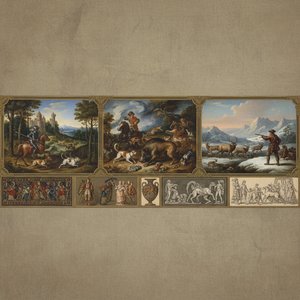
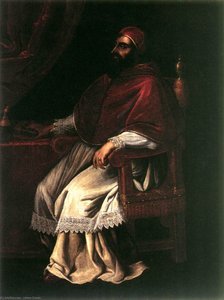
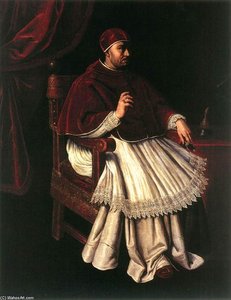
The museum’s core collection is undeniably impressive, boasting over 500 historical firearms that range from medieval implements to sophisticated pieces crafted during the Napoleonic era. Primarily originating from the illustrious Bardini Heritage, these weapons are far more than mere objects of warfare; they serve as symbols of power, technological advancement, and exquisite artistic expression. Alongside these metallic marvels reside artworks depicting hunting scenes, landscapes imbued with Tuscan charm, and portraits capturing the elegance of aristocratic life. A particularly captivating highlight is the exhibition “Il volo tra Pisanello e Leonardo da Vinci,” which explores the evolution of falconry from medieval traditions to the groundbreaking scientific observations of Leonardo da Vinci, offering a masterful fusion of biological study and artistic interpretation.
Architectural Grandeur and Medici Influence
The setting of the museum is as much a masterpiece as the artifacts it protects. The Villa medicea di Cerreto Guidi, constructed between 1564 and 1567 under the direction of Cosimo I, stands as a UNESCO World Heritage site that exemplifies the Renaissance ideal of harmonious proportion. Designed by the legendary Bernardo Buontalenti, the villa pioneered the “compact block” system, prioritizing symmetry and functionality while incorporating breathtaking decorative elements. Visitors are often mesmerized by the monumental “Ponti Medicei,” the spectacular access ramps leading to the upper floors that serve as a stunning visual centerpiece of the architecture.
The interior experience is enriched by the frescoes adorning the villa’s loggias, which transport guests back to the opulent aesthetic sensibilities of the late neoclassical period. The carefully curated spaces—including the elegant rooms situated below the Buontalenti staircases—provide a contemplative backdrop for reflection. For the art lover or the interior designer, the villa offers a masterclass in how architecture can frame history, where every corridor and hall is designed to celebrate the grandeur of Florentine art patronage and the enduring legacy of the Medici dynasty.
A Unique Encounter with Tradition
What truly distinguishes the Museo Storico della Caccia e del Territorio from conventional arms museums is its commitment to exploring the ecological and cultural dimensions of Tuscan hunting traditions. The museum avoids a purely martial narrative, instead focusing on how these practices shaped the landscape and the social fabric of the region. Recurring exhibitions delve into the historical significance of the hunt through meticulous reconstructions and detailed analyses, often examining the broader social context surrounding these ancient customs.
By highlighting works such as Leonardo da Vinci’s seminal manuscript “De arte venandi cum avibus,” the museum fosters a deeper appreciation for the intersection of human culture and the environment. It is a destination for those who seek not just historical knowledge, but aesthetic enrichment—a place where the echoes of Renaissance grandeur resonate with an enduring fascination for the natural world. For collectors and enthusiasts of fine craftsmanship, the museum stands as a sanctuary of beauty, where the pursuit of excellence in both art and science remains eternally preserved.