
A Bastion of Bahian Identity: The Soul of Salvador
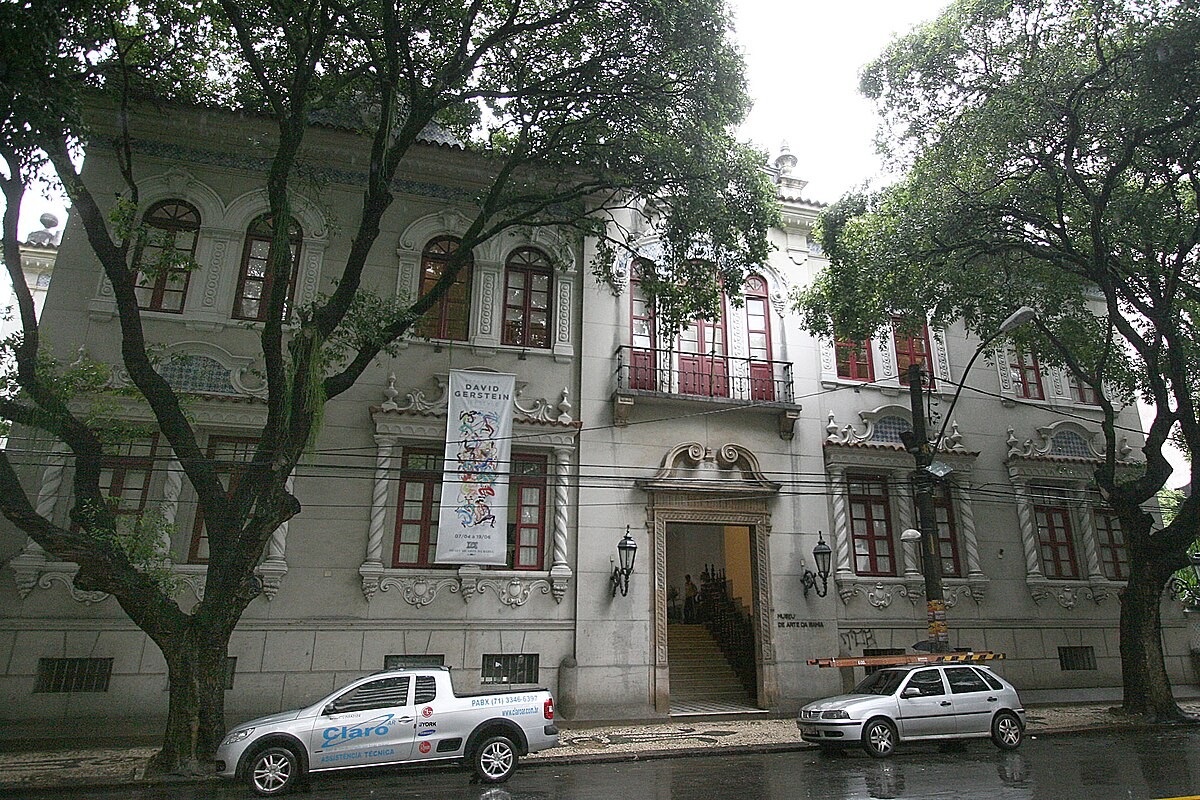
To step into the Museu de Arte da Bahia is to enter a living chronicle of Salvador’s very soul, where the echoes of colonial grandeur meet the vibrant pulse of contemporary innovation. Nestled within the historic Vitória Palace, the museum—affectionately known as MAB—is far more than a mere repository for artifacts; it is an immersive journey through the multifaceted cultural landscape of Brazil. Established in 1918 by a visionary group of intellectuals dedicated to safeguarding Bahia’s precious heritage, the institution has ascended to become a premier champion of Brazilian identity. The architecture itself serves as a silent narrator of this history, as the palace, once the headquarters of the Secretary of Emancipation, offers an opulent backdrop where soaring ceilings and frescoes depicting mythological figures and Bahian landscapes set a mood of profound contemplation and regal splendor.
The museum’s collection is a breathtaking tapestry of over 5,000 pieces that span centuries of artistic expression. For the discerning collector or art lover, the holdings offer a rare glimpse into the spiritual and social fabric of Brazil. One cannot wander through these halls without being moved by the impressive assemblage of religious sculptures, many of which emerge from Bahia’s unique Afro-Brazilian Catholic traditions. These carvings, often adorned with vibrant pigments and deeply symbolic imagery, provide poignant insights into the rituals that have shaped Bahian society for generations. The mastery of technique is evident in every medium, from the delicate ceramics reflecting regional customs to the heavy, emotive textures of stone and wood sculptures that command the gallery spaces.
A Dialogue Between Tradition and Modernity
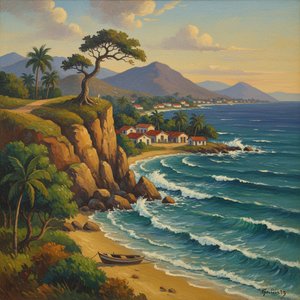
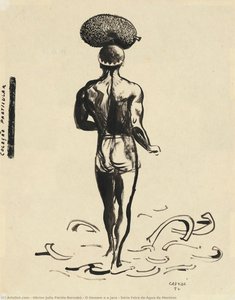
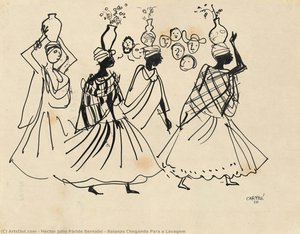
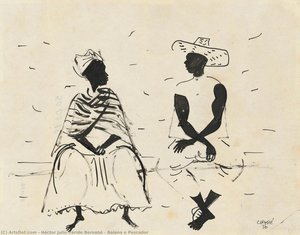
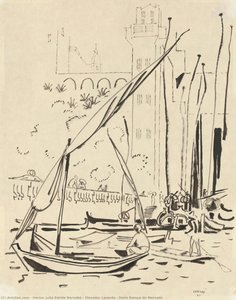
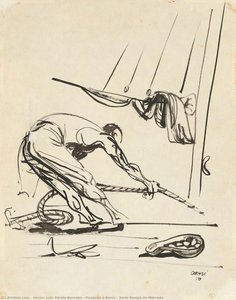
As one moves through the galleries, the evolution of Brazilian art becomes strikingly apparent through the works of legendary masters. The portraiture of José Joaquim da Rocha captures the very essence of Bahian life with a precision that transcends time, while the landscapes of Alberto Valença evoke the lush, untamed beauty of the natural environment. This dialogue between tradition and modernity is further enriched by the museum's commitment to Brazilian Modernism and the Avant-garde. The powerful, realistic depictions of Afro-Brazilian daily life by artists such as José Teófilo de Jesus serve as a crucial historical document, bringing marginalized narratives into the light of the grand gallery. It is this seamless blend of the sacred and the social, the classical and the modern, that makes MAB an indispensable destination for those seeking authentic cultural encounter.
Beyond its role as a sanctuary for the past, the Museu de Arte da Bahia acts as a vibrant laboratory for the future. Through its dedication to educational workshops and research facilities, it nurtures the next generation of Salvadoran creators, ensuring that the flame of Bahian creativity never flickers. In an era of digital connectivity, the museum has also embraced global dialogue through collaborations with platforms like Google Arts & Culture, allowing its treasures to inspire interior designers and art enthusiasts far beyond the borders of Brazil. For anyone seeking inspiration—whether it be for a curated private collection or a deep understanding of Latin American heritage—MAB stands as an unforgettable beacon where history illuminates the present and envisions a limitless future.