


A Sanctuary of Faith and Art: Discovering the Museu de São Roque
In the heart of Lisbon, where the echoes of history meet the enduring spirit of devotion, lies the Museu de São Roque . More than a mere repository of sacred relics, this institution offers an intimate journey through Portugal’s religious heritage, beautifully interwoven with the exquisite craftsmanship of Italian masters. Housed within the historic Igreja de São Roque , the museum stands as a profound testament to resilience and human expression. The very stones of the church whisper tales of survival, having been remarkably spared from the devastating 1755 Lisbon earthquake, making the structure a poignant reminder of a city reborn and a beacon of continuity amidst the tides of change.
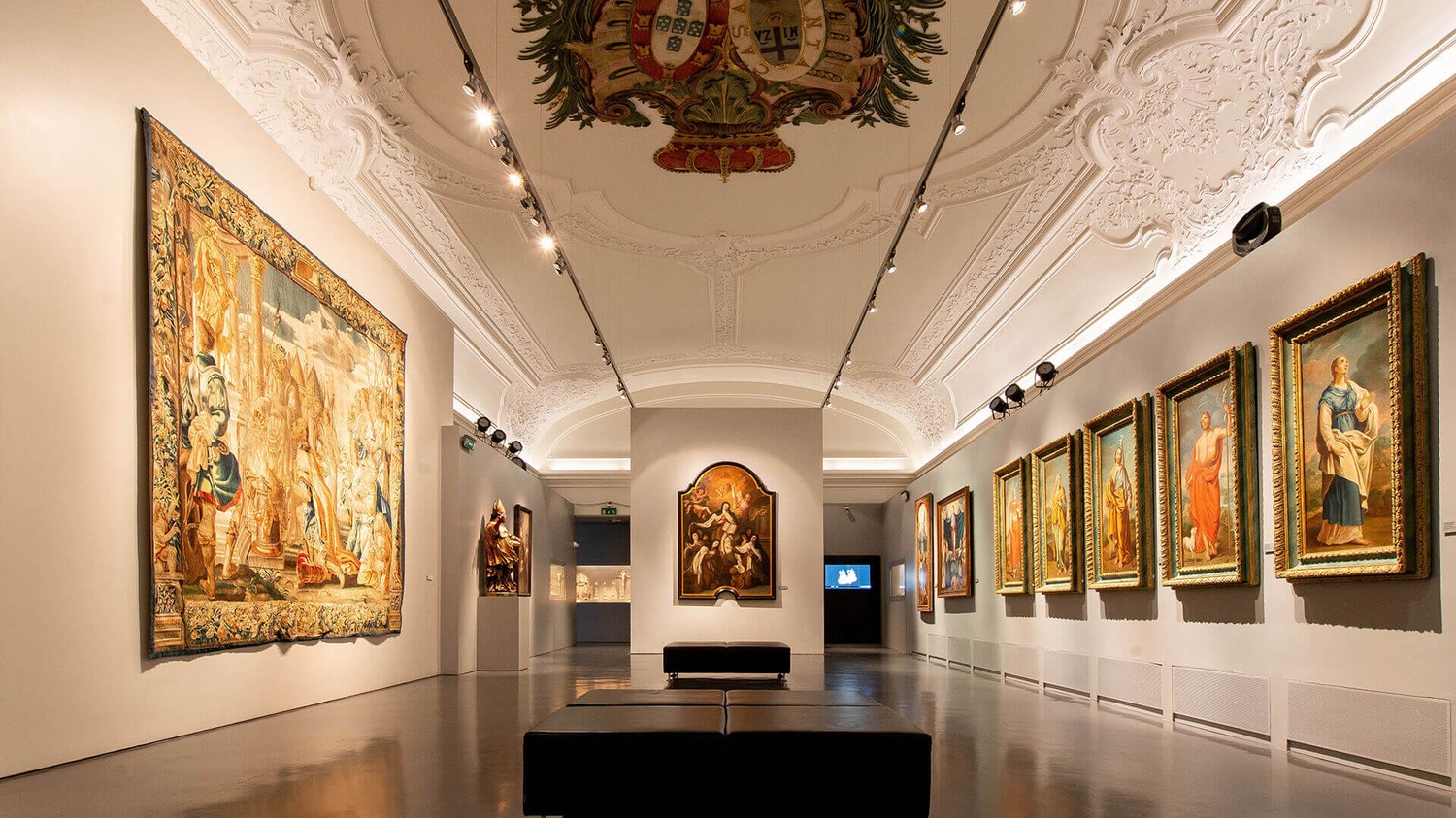
Originally constructed by the Jesuits in the 16th century as one of the earliest examples of their architectural style, the church was designed with an auditorium-style layout to foster an immersive spiritual experience through powerful preaching. Stepping inside is akin to entering a world of gilded splendor and devotional intensity. While the exterior maintains a sense of understated elegance, the interior explodes into a breathtaking display of Baroque extravagance. Each chapel within São Roque functions as a miniature jewel box, showcasing diverse artistic styles and techniques that capture the soul .
The Gilded Splendor of the Collection
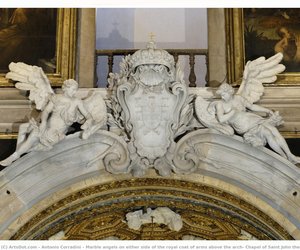
The crown jewel of this architectural marvel is undoubtedly the Chapel of St. John the Baptist . Conceived in Rome and meticulously disassembled to be shipped to Lisbon, this opulent space was reassembled piece by precious piece. Once considered one of Europe’s most expensive chapels, it stands as a monumental testament to royal patronage and artistic ambition, where every surface reflects a divine light. This breathtaking space serves as the heart of the museum's allure, drawing in art lovers and historians alike.
The museum's collection is a rich tapestry of cultural exchange, boasting a significant array of Italian treasures that illuminate the vibrant connection between Italy and Portugal. Visitors can marvel at several remarkable highlights:
- Intricate Marble Columns: Featuring gilt metal capitals by Francesco Giordani, these elements exemplify the height of decorative mastery.
- Portuguese Silver Craftsmanship: Exceptional works by masters such as Giuseppe Gagliardi the Elder and António Arrighi II add a layer of tactile luxury to the experience.
- Sacred Artistry: A collection of religious artifacts, including relics imbued with history, intricately woven vestments, and liturgical objects that offer glimpses into the spiritual practices of bygone eras.
A Living Chronicle of Lisbon
The history of this sacred space is deeply rooted in moments of profound crisis and communal piety. In 1505, as Lisbon battled a devastating plague, King Manuel I sought divine intervention, requesting a relic of St. Roch, the patron saint of plague victims. The procession carrying this relic to the site where the museum now stands marked the beginning of a long association with the themes of healing and community. Following the expulsion of the Jesuits in 1768, the transfer of ownership to the Holy House of Mercy ensured the preservation of these invaluable treasures for future generations.
Today, the Museu de São Roque remains a living chronicle of Lisbon’s spiritual journey. It is a destination where Portuguese sacred artistry meets Italian brilliance, offering an unparalleled aesthetic experience for collectors, historians, and anyone moved by the intersection of faith and fine art.