


A Chronicle Etched in Stone and Canvas
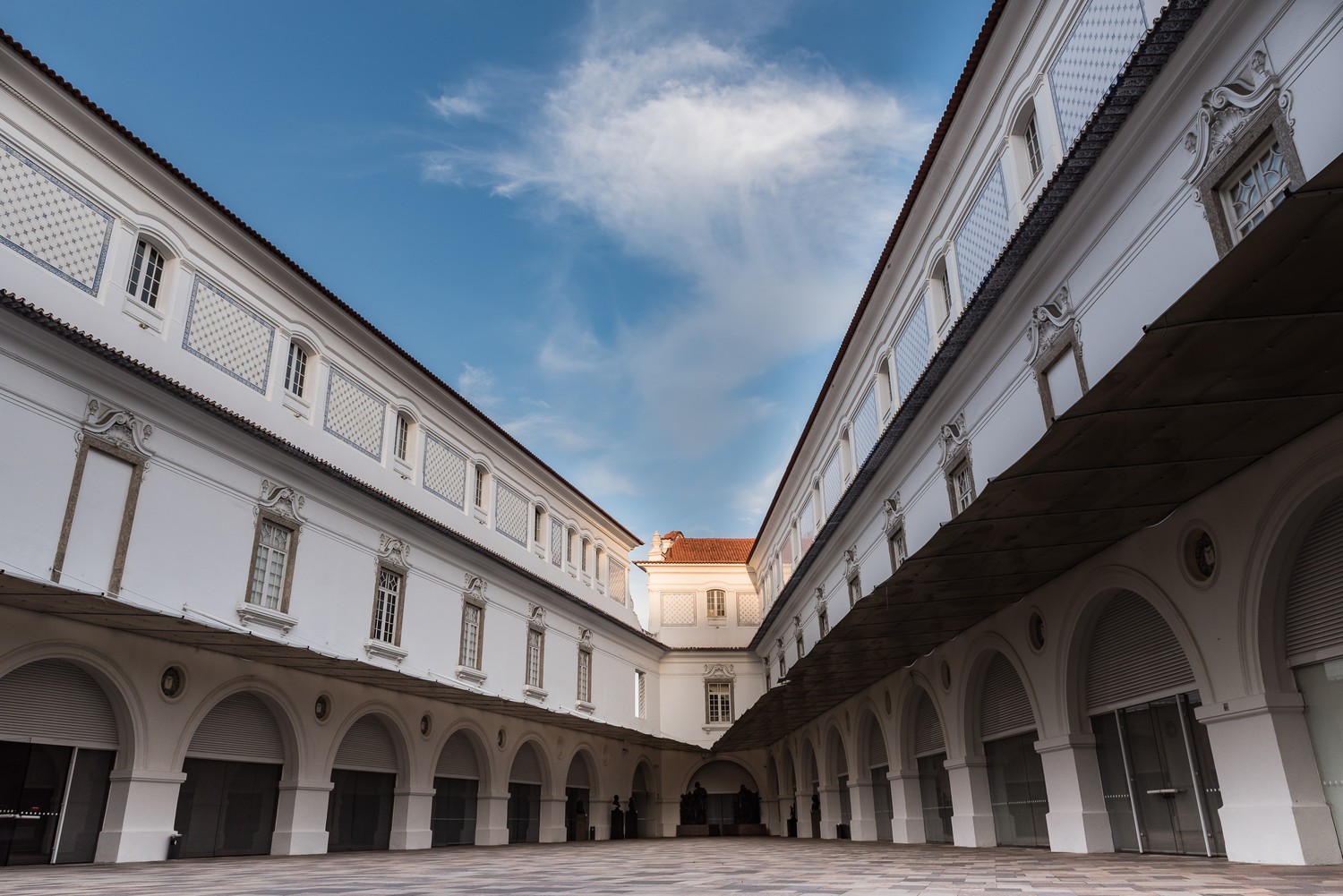
Rio de Janeiro pulses with a rhythm unlike any other, fueled by the vibrant hues of its coastline and the profound narratives woven into its cultural tapestry. At its core resides the Museu Histórico Nacional —a destination that transcends mere observation; it is an immersive journey back through Brazil’s multifaceted past. Entering its halls is akin to stepping into a meticulously crafted panorama where each artifact speaks volumes about eras gone by, offering a privilege for anyone captivated by art history and architectural grandeur.
The museum’s story begins with Ponta do Calabouço , the former Royal Palace of São Cristóvão, a monumental edifice that immediately commands attention. Constructed during Brazil’s imperial reign, its façade embodies regal splendor, adorned with intricate carvings and bathed in sunlight—a deliberate statement of Portugal’s dominion over the New World. But this opulent grandeur is inextricably linked to the São Cristóvão Fortress , a formidable bastion overlooking Guanabara Bay. Originally conceived as a defense against naval incursions during Dutch invasions, the fortress has undergone significant transformations throughout Brazilian history, incorporating structures like the Calabouço prison and the War Arsenal. The juxtaposition of these architectural elements creates an arresting visual narrative that underscores the interplay between imperial ambition and the necessity of protection.
Treasures of a Nation's Soul
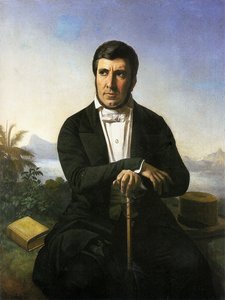
Within these historic walls reside over 258,000 artifacts, each a crucial fragment of Brazil's evolving chronicle. For the discerning collector or lover of fine arts, the collection offers an intimate glimpse into the Colonial Era through delicate furniture and exquisite examples of Baroque artistry that transport viewers to the opulent courts of the past. As one moves through the galleries, the Imperial Brazil Collection illuminates the reign of Emperors Pedro I and Pedro II, showcasing a transformative era characterized by artistic flourishing.
The museum's holdings are as diverse as the nation itself, featuring:
- Imperial Grandeur: Portraits capturing the majesty of the monarchy alongside artworks reflecting burgeoning movements like Romanticism and Impressionism .
- Cultural Heritage: Exceptional treasures related to indigenous cultures and the profound complexities of slavery, ensuring diverse voices are preserved with dignity.
- Numismatic Riches: The largest numismatic collection in Latin America, providing a window into the economic evolution of the region.
- Decorative Arts: Exquisite craftsmanship that highlights the aesthetic sophistication of Brazil's historical periods.
What distinguishes the Museu Histórico Nacional from other institutions is its profound commitment to contextualizing history within architectural space. The seamless integration of the fortress and the palace serves as a powerful pedagogical tool, allowing visitors to experience history firsthand while traversing corridors adorned with masterpieces. Whether exploring thematic displays on the Age of Discovery or admiring the exquisite craftsmanship of Brazilian Decorative Arts, the museum offers a singular experience where the past is not just remembered but felt.


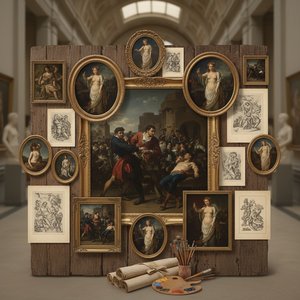

![[caricature Of President Humberto De Alencar Castelo Branco] — Nair De Teffé Von Hoonholtz](/media/artworks/images-thumb/1c/b2/1cb26046dc95fb145a967da6eec330f6.jpg)