


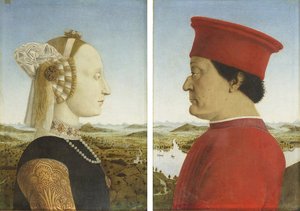
A Timeless Treasury in the Heart of Lisbon
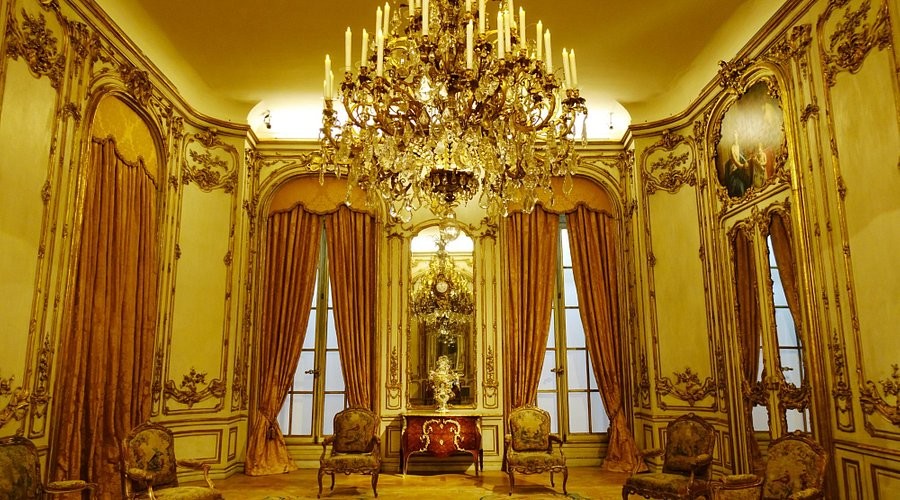
Nestled within the opulent Palácio Alvor-Pombal , a former residence echoing with the grandeur of Portugal's monarchy, the Museu Nacional de Arte Antiga serves as a profound window into centuries of European artistic evolution. This sanctuary for art lovers is much more than a mere repository; it is a meticulously curated journey through time. The museum’s very foundation is rooted in the dramatic upheaval of 1833, when the dissolution of religious orders released a vast trove of monastic treasures into the public domain. This pivotal moment transformed a royal collection and an academic institution into a national sanctuary dedicated to preserving and celebrating Portugal’s illustrious artistic legacy.
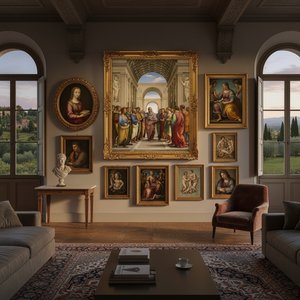
The architecture itself is a masterpiece of Neoclassical design, where soaring ceilings and elegant halls provide a fitting stage for the masterpieces within. As visitors step out of the modern bustle of Lisbon, they enter a realm of quiet, historical splendor. The building invites a contemplative pace, allowing the grandeur of its halls to set the tone for the treasures that await discovery.
A Global Dialogue of Masterpieces
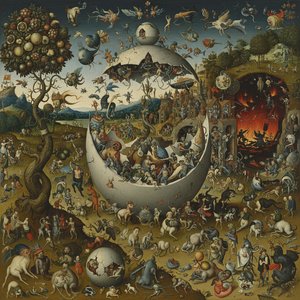
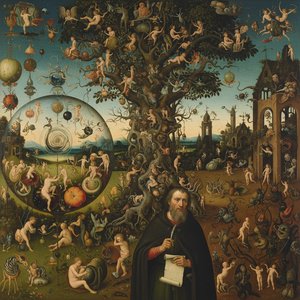
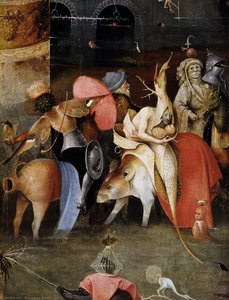
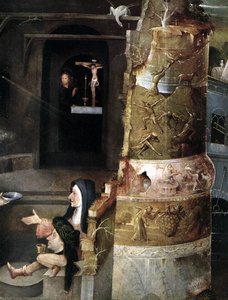
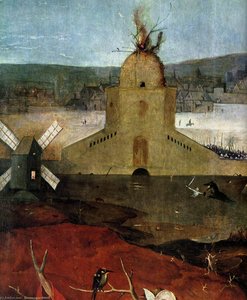
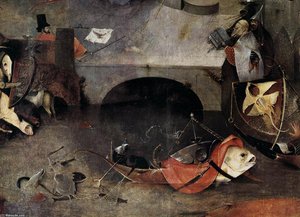
The collection’s genesis is as much a story of political transformation as it is of aesthetic passion. Following the preservation efforts of the Academia Nacional de Bellas Artes , the museum has blossomed into an unparalleled panorama of European and global artistry. Visitors can trace the delicate evolution of style from the Gothic period through the intricate complexities of Mannerism and the dramatic flair of the Baroque. The halls are graced by unsettling, symbolic visions from Hieronymus Bosch , whose meticulous detail continues to captivate the modern imagination, alongside the sublime Renaissance mastery of Raphael and the hauntingly realistic anatomical precision of Hans Holbein the Elder .
What truly distinguishes the museum is its extraordinary breadth that extends far beyond the borders of Western Europe. Reflecting Portugal's maritime prowess during the Age of Exploration, the collection holds significant treasures from Asia—particularly Japan—alongside precious artifacts from Africa and the Americas. This global perspective allows for a rare contemplation of cultural exchange, where certain pieces stand as silent witnesses to history:
- Biombos Namban: Exquisite screens from the late sixteenth century that testify to the historical presence of the Portuguese in Japan.
- Os Painéis de São Vicente: A monumental masterpiece of fifteenth-century European painting by Nuno Gonçalves.
- The Belém Monstrance: A symbol of sixteenth-century Portuguese artistry and devotion.
- Global Decorative Arts: An exquisite array of goldware, ceramics, textiles, and intricate religious carvings that bridge the gap between the North and South.
For the collector or interior designer seeking inspiration, the museum offers a rich tapestry of textures and forms. It is this unique intersection of national identity and global connectivity—where Flemish precision meets Italian grace—that makes the Museu Nacional de Arte Antiga an essential pilgrimage for anyone moved by the enduring power of human creativity.