

A Chronicle of Life: The Living Tapestry of Berlin
To step through the doors of the Museum für Naturkunde Berlin is to leave the frantic pace of modern metropolis life and enter a profound, breathing testament to the unfolding story of Earth. This institution, which evolved from its origins as the “Humboldt Museum,” serves as one of Germany’s most prestigious research sanctuaries. The architecture itself acts as a silent narrator of a long journey; the building presents a masterful dialogue between classical grandeur and contemporary refinement, particularly following transformative renovations in 2007. Within these walls, the weight of deep time feels palpable, yet the atmosphere remains vibrantly inviting, offering a space where the heavy shadows of prehistory meet the bright, clinical light of modern scientific discovery.
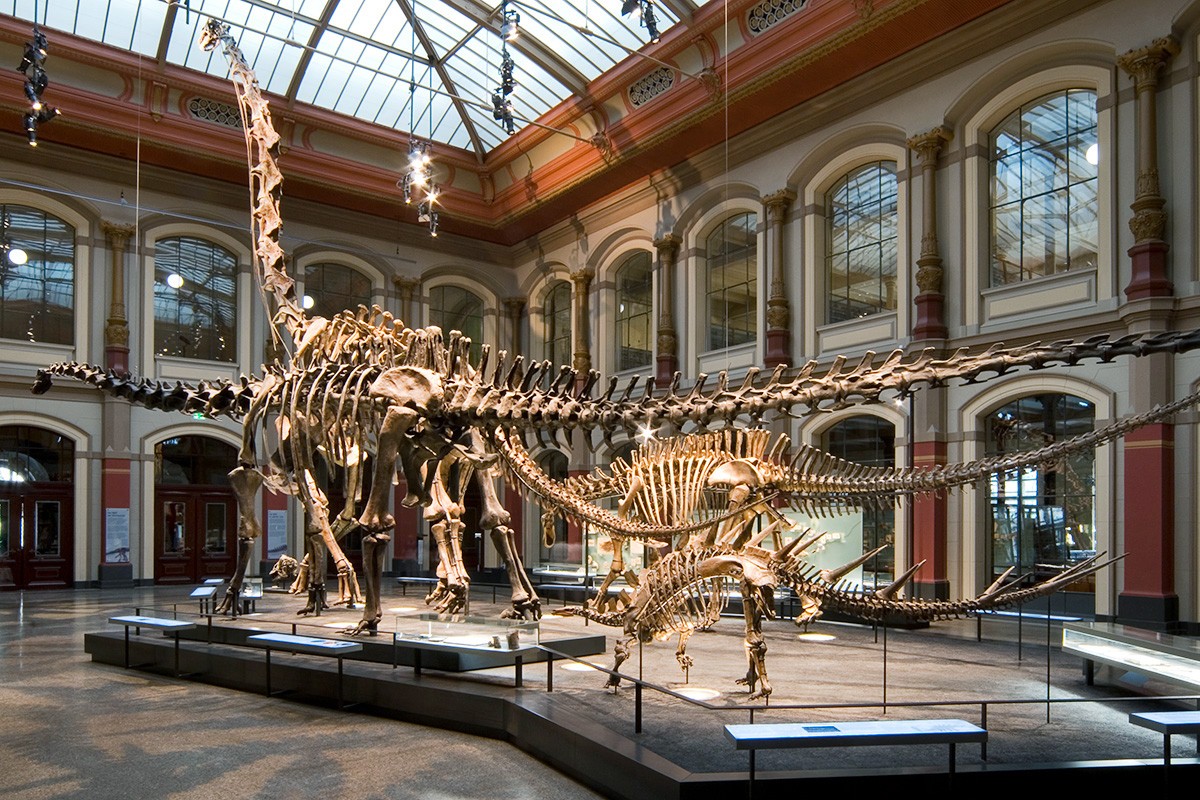
The museum’s collection is a monumental achievement in preservation and curation, housing an astonishing 30 million specimens that whisper secrets from a distant past. For those moved by scale and grandeur, the Dinosaur Hall offers a breathtaking encounter with the Giraffatitan brancai , the largest mounted dinosaur skeleton in the world. Its colossal form reaches toward the vaulted ceilings, evoking a sense of primordial awe. Nearby, the delicate, pivotal fossils of the Archaeopteryx serve as a masterclass in evolutionary transition, bridging the gap between reptilian ancestors and the avian world. This collection does not merely display bones; it presents a curated narrative of transformation, where every fossilized fragment acts as a window into an era long since vanished.
Where Science Meets Aesthetic Splendor
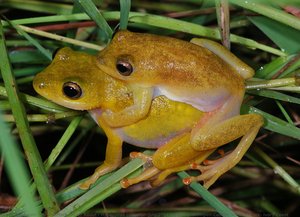
Beyond the prehistoric giants, the museum reveals itself as a sanctuary for the intricate and the minute, making it a profound source of inspiration for artists, collectors, and interior designers alike. The Mineral Collection boasts nearly 75% of all known minerals, presenting a dazzling array of crystalline structures and geological wonders. One might find oneself captivated by a single piece of amber, which holds tiny, frozen ecosystems within its golden depths—a literal moment of time suspended in resin. This obsession with detail extends to the Biodiversity Wall , a visually stunning installation featuring over 3,000 specimens. It is here that the intersection of science and art becomes most evident, as the meticulous arrangement of life forms creates a mosaic of biological complexity that resonates with the aesthetic sensibilities of any admirer of natural wonders.
What truly distinguishes the Museum für Naturkunde is its dual identity as both a public treasure and a living laboratory. The museum breathes through its researchers and practitioners who elevate the art of preservation to a lifelike, sculptural excellence. Notable elements of this creative vitality include:
- The Art of Taxidermy: The collaborative mastery of Detlev Matzke, Robert Stein, and Carola Radke, whose work transcends mere representation to achieve a delicate dance between biological science and sculptural expression.
- Molecular Storytelling: The work of Antje Dittmann, where mass spectrometry merges with visual storytelling to breathe life into ancient echoes.
- The Biodiversity Wall: A highlight of the museum that showcases the rich colors and variation in shapes across thousands of species.
For those seeking to understand the delicate balance of our planet, or those moved by the aesthetic beauty of the natural world, the museum offers an unparalleled journey through the enduring glory of life.