

A Sanctuary of Modernity on Prague’s Kampa Island
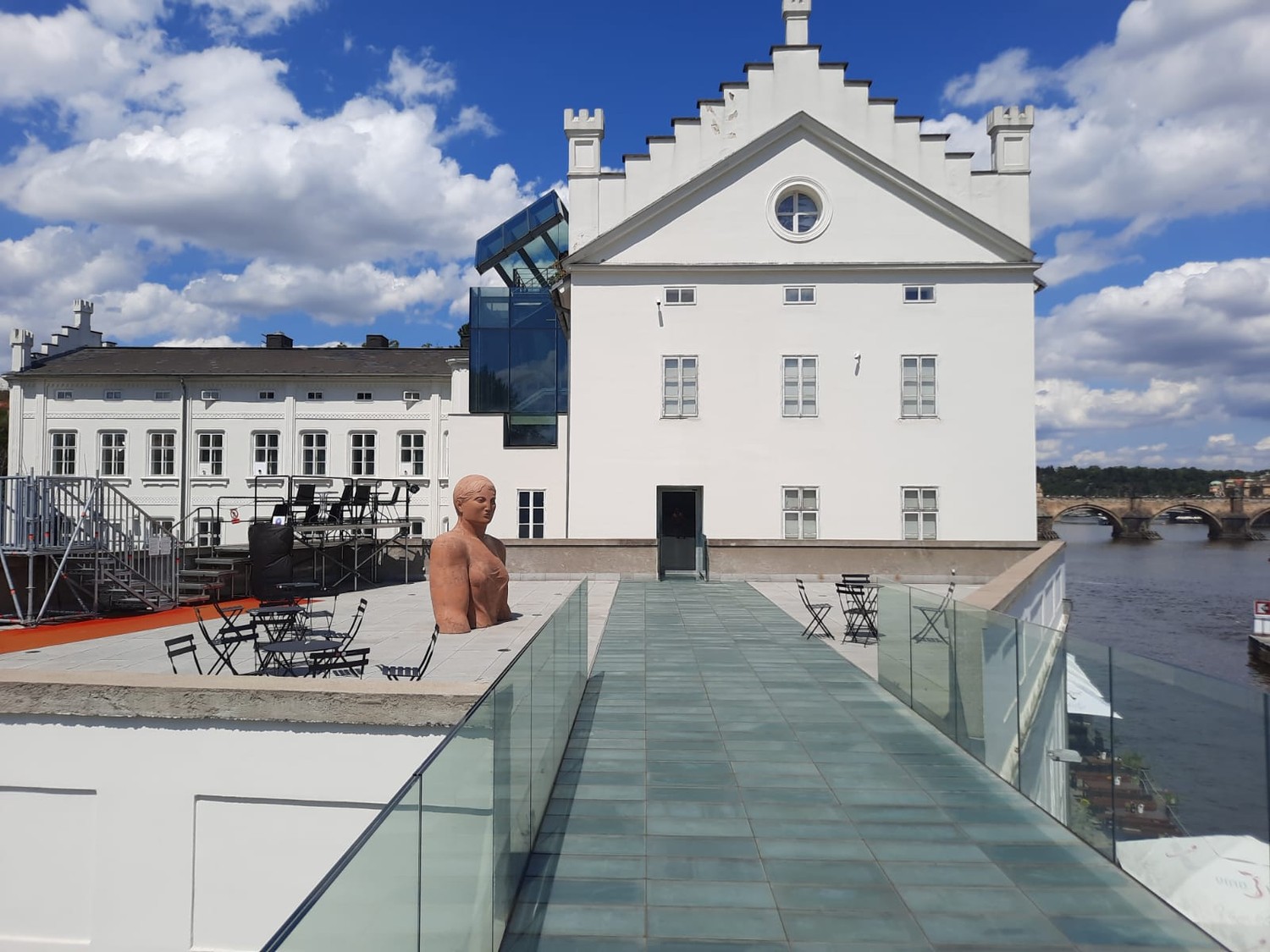
Nestled along the enchanting banks of the Vltava River, where the serene atmosphere of Kampa Island meets the historic pulse of Prague, Museum Kampa stands as a luminous beacon for the avant-garde. This is not merely a repository for static objects but an immersive sanctuary where history, architecture, and profound artistic expression converge. The museum’s very foundation tells a story of resourceful adaptation; built upon the revitalized ruins of 17th-century watermills, the structure itself breathes with the spirit of the past while embracing a forward-looking contemporary design. To walk through its galleries is to experience a seamless blend of neo-Gothic charm and minimalist elegance, where expansive windows flood the halls with natural light, inviting a quiet, contemplative dialogue between the viewer and the canvas.
For the discerning collector or interior designer seeking inspiration, the museum offers a rare glimpse into a period of intense creative flourishing that emerged even amidst the political upheavals of the 20th century. The architecture itself serves as a bridge between eras, mirroring the evolution of Central European modernism through its blend of industrial heritage and sophisticated modernity.
The Legacy of the Mládek Collection
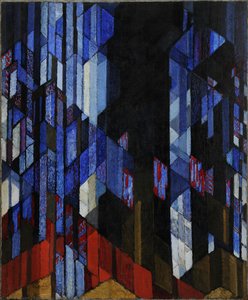
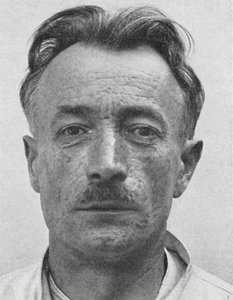
At the soul of this institution lies the extraordinary Jan and Meda Mládek Collection , a curated legacy that serves as a vital bridge to the artistic heritage of Czechia and Eastern Europe. The collection is anchored by the groundbreaking works of František Kupka , a true pioneer of abstract art whose canvases challenged the very boundaries of visual language through the exploration of color, and form. To stand before his fragmented Cubist abstractions is to witness the birth of a new era in modern painting.
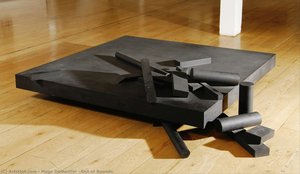
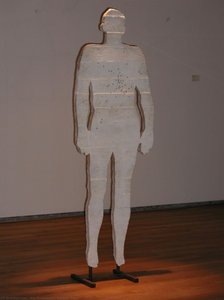
This spirit of innovation extends deeply into the sculptural mastery found within the museum's halls:
- Otto Gutfreund: A central figure of Czech Cubism, whose works offer a rhythmic, geometric perspective that redefines the relationship between mass and space.
- Abstract Pioneers: Masterpieces that explore the inner reality through the manipulation of color and shape.
- Modern Czech Art: A curated selection that captures the essence of a transformative era in European history.
A Vibrant Hub for Contemporary Dialogue
Beyond its permanent treasures, Museum Kampa functions as a vibrant cultural hub that continuously breathes new life into the Prague art scene. The museum’s commitment to monumental importance is evidenced by its ability to host large-scale, impactful exhibitions that bring national grandeur to its halls, such as the recent presence of Alfons Mucha’s Slav Epic . This dedication to both local and international narratives ensures that the museum remains a dynamic space for intellectual curiosity.
Whether through guided tours that illuminate complex artistic narratives or workshops that encourage hands-on engagement, the museum fosters a deep connection between the public and the evolving landscape of modern art. It is a destination where the weight of history meets the lightness of innovation, making it an essential pilgrimage for anyone seeking to understand the profound evolution of Central European modernism.