

A Sanctuary of Signals: Exploring the Nam June Paik Art Center
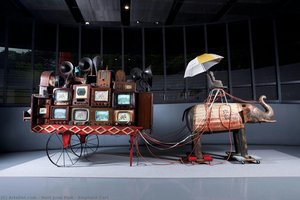
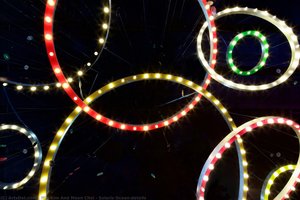
Nestled in Yongin, South Korea, the Nam June Paik Art Center isn’t merely a museum; it's a pilgrimage site for those who believe art can be a conduit to the future. Dedicated to the visionary artist widely considered the father of video art, the center pulsates with an energy that feels both retrospective and remarkably prescient. Stepping inside is akin to entering Paik’s own mind – a space where technology isn't cold or alienating, but rather a playful extension of human creativity, capable of profound philosophical inquiry. Paik, born in Seoul in 1932 amidst a period of immense cultural and political upheaval, carried within him a unique perspective—a synthesis of Eastern tradition and Western avant-garde thought. His early life, marked by displacement during the Korean War and a rigorous classical musical education, laid the foundation for an artistic practice that would relentlessly challenge conventions and embrace experimentation. He saw beyond the nascent technology of television, recognizing its potential not as a tool for passive consumption but as a dynamic canvas for expression, a medium ripe for dismantling established authority. This spirit of playful subversion is palpable throughout the museum's permanent collection. Iconic works like Electronic Super Highway: Continental U.S., Alaska, Hawaii, a sprawling map of America constructed from neon and televisions, isn’t just a geographical representation; it’s a dazzling commentary on information overload and the interconnectedness of modern life. The sheer scale of the piece is breathtaking, immersing viewers in a vibrant network of light and color that mirrors the relentless flow of data characterizing contemporary society. Then there's the quietly powerful TV Buddha, where a serene statue gazes upon its own image reflected in a television screen – a meditation on self-awareness, technology, and the cyclical nature of existence. The juxtaposition of ancient spirituality and modern media creates a poignant dialogue about our relationship with images and the search for meaning in an increasingly mediated world. These pieces aren’t relics of a bygone era; they feel startlingly relevant today, anticipating our current digital landscape with uncanny accuracy. Paik's genius lay not just in his technical innovation but also in his ability to imbue technology with philosophical depth, prompting viewers to question the very nature of reality and perception.Architecture as Avant-Garde Expression
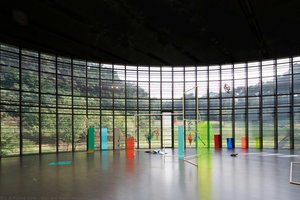
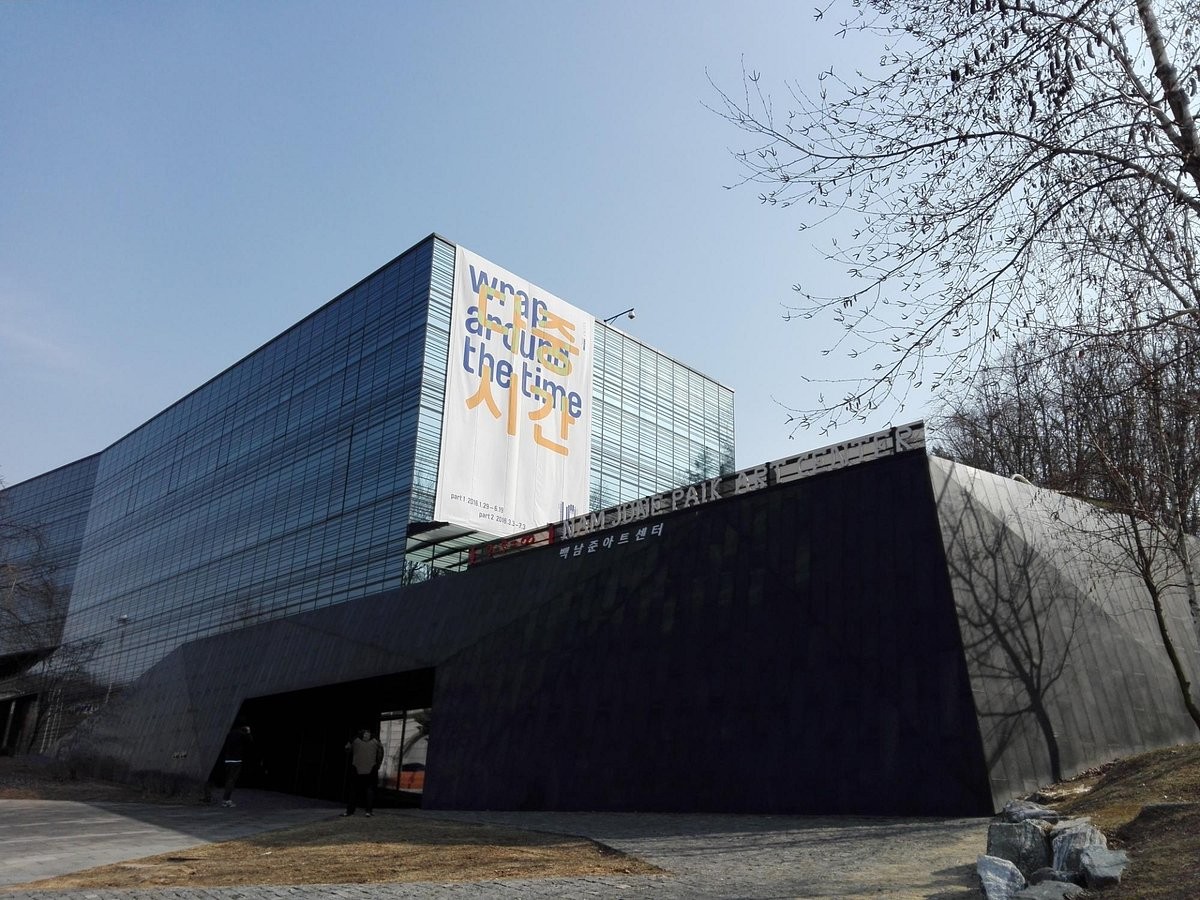
The museum building itself is an extension of Paik's artistic philosophy. Designed to complement the groundbreaking work within its walls, it eschews traditional gallery conventions in favor of open, flowing spaces that encourage exploration and interaction. The architecture doesn’t compete with the art; instead, it provides a neutral yet stimulating environment where large-scale installations can breathe and visitors are invited to become active participants in the artistic experience. Natural light floods the galleries, creating an atmosphere of openness and accessibility, while carefully considered sightlines reveal unexpected connections between different works. It's a space that understands that media art isn’t meant to be passively observed; it demands engagement. The building’s design reflects Paik’s own belief in the interconnectedness of all things, fostering a sense of fluidity and movement that mirrors the dynamic nature of his work. The intention was not to create a static container for art but rather a living organism that interacts with and responds to its surroundings.A Living Legacy: The Nam June Paik Art Center Prize & Beyond
Opened in 2008, the center was born from a desire not just to preserve Paik's work but to actively foster the next generation of artists pushing the boundaries of art and technology. This commitment is embodied in the annual Nam June Paik Art Center Prize, awarded to individuals whose innovative creations embody Paik’s spirit of experimentation and interdisciplinary thinking. The prize isn’t simply a recognition of past achievements; it's an investment in the future, providing crucial support for artists who are challenging conventional notions of what art can be. Recent exhibitions have continued this forward-thinking approach, showcasing contemporary artists working with virtual reality, artificial intelligence, and other cutting-edge technologies. The Center actively seeks out artists who share Paik’s willingness to embrace risk and explore uncharted territory, ensuring that his legacy continues to inspire innovation for generations to come.More Than a Museum: A Hub for Innovation
What truly sets the Nam June Paik Art Center apart is its holistic embrace of media art. It’s not just about displaying finished works; it's about creating an environment where ideas can germinate, collaborations can flourish, and audiences can engage in meaningful dialogue about the role of technology in our lives. The museum regularly hosts workshops, lectures, and performances, fostering a vibrant community of artists, scholars, and enthusiasts. For interior designers seeking inspiration, the center offers a masterclass in how to integrate dynamic, technologically-driven art into contemporary spaces. It’s a reminder that art isn't static; it's a living, breathing entity capable of transforming our perceptions and enriching our lives. A visit to the Nam June Paik Art Center is an invitation to not just witness the future of art, but to participate in its creation—to become part of a continuing conversation about the power of technology, the nature of creativity, and the enduring human quest for meaning.- Useful Links:
- Nam June Paik Art Center - Wikipedia: https://en.wikipedia.org/wiki/Nam_June_Paik_Art_Center
- Official Website: https://njpart.ggcf.kr/