



A Dialogue Across Time: The Soul of the Nasher Museum
To step into the Nasher Museum of Art at Duke University is to enter a space where the boundaries of history and modernity dissolve, replaced by a profound, ongoing conversation between eras. Located in the heart of Durham, North Carolina, this institution does not merely display objects; it orchestrates an encounter between the viewer and the vast spectrum of human creativity. The museum serves as a bridge, connecting the ancient whispers of Pre-Columbian civilizations with the vibrant, often provocative pulses of contemporary global art. For the discerning collector or the lover of fine aesthetics, the Nasher offers more than a gallery visit—it provides an intellectual sanctuary where every artifact and canvas acts as a vessel for storytelling, culture, and transformative thought.
The museum’s collection is a breathtaking tapestry of human achievement, characterized by its remarkable breadth. One might find themselves mesmerized by the delicate precision of Mayan ceramics, where intricate glyphs offer a window into a complex, ancient cosmology, or lost in the rhythmic patterns of Peruvian textiles that embody centuries of ancestral wisdom and masterful craftsmanship. Yet, as one moves through the galleries, this ancient reverence seamlessly transitions into the electric energy of the present day. The contemporary holdings are nothing short of powerful, featuring the works of visionaries such as Ai Weiwei , Kerry James Marshall , and Nina Chanel Abney . These pieces do not shy away from the complexities of our era; instead, they confront social and political landscapes with a raw, unflinching beauty that challenges the observer to look deeper.
Architectural Elegance and the Art of Light
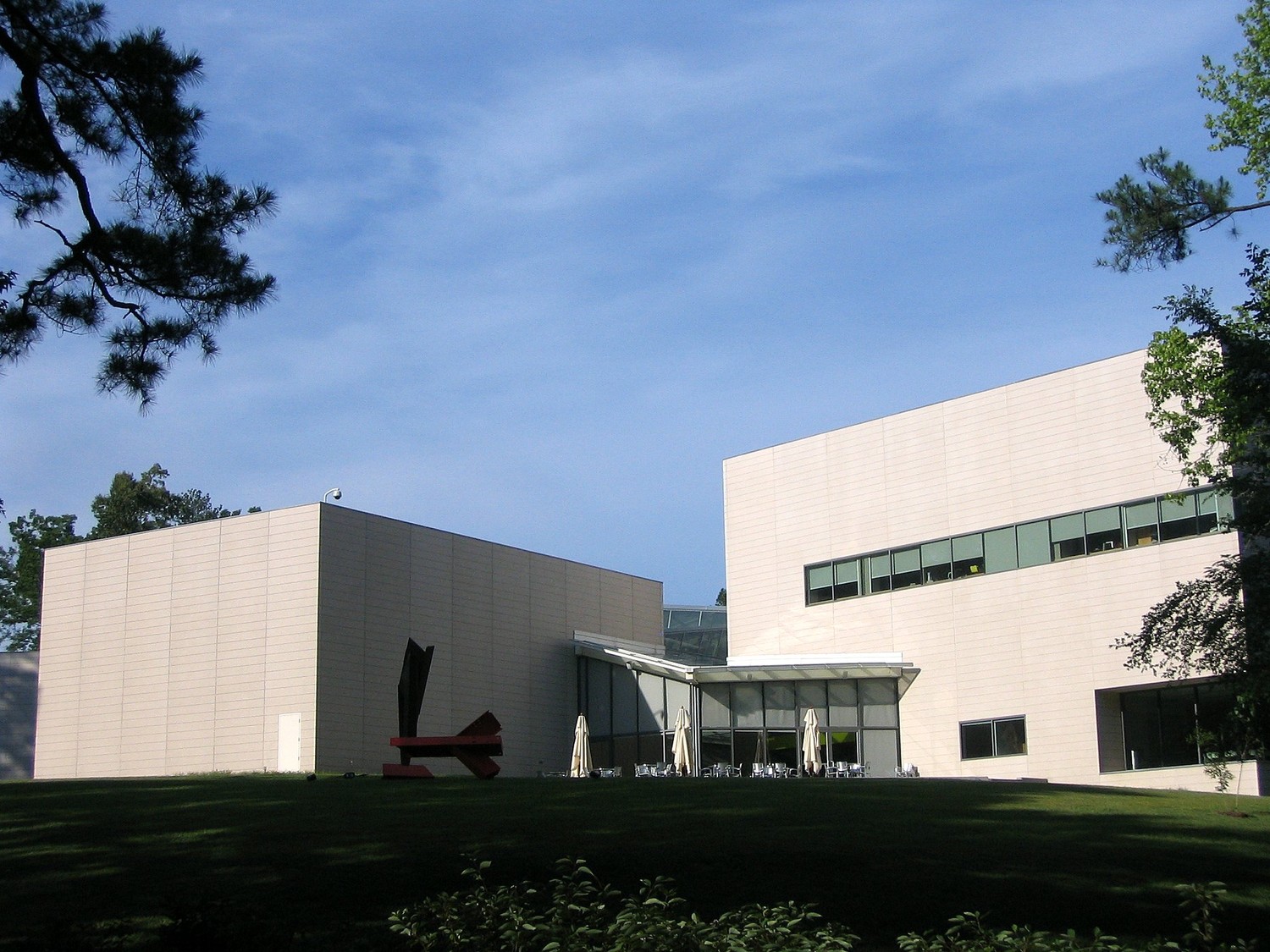
The physical vessel for this extraordinary collection is as much a work of art as the treasures it houses. Designed by the renowned architect Rafael Viñoly and completed in 2005, the museum’s structure is a masterclass in modern architectural vision. The building is defined by its intentional use of expansive windows and an abundance of natural light, which serves to dissolve the walls between the interior galleries and the world outside. This luminosity does more than illuminate; it breathes life into the textures of the art, creating a dynamic environment where shadows and highlights shift with the passing hours. For interior designers and architects, the museum stands as a premier example of how space can be engineered to enhance the emotional resonance of an object, fostering an atmosphere of openness and discovery.
This architectural brilliance is rooted in a legacy of generosity and transformation. While the institution’s origins trace back to 1969 as the Duke University Museum of Art—initially centered around the exquisite medieval treasures of the Ernest Brummer Collection—it was the transformative gift from alumnus Raymond Nasher that propelled the museum into its current state of glory. This pivotal moment allowed for the creation of a modern landmark that honors the past while aggressively pursuing the future. The museum’s evolution reflects a commitment to excellence, evolving from a specialized repository into a global cultural beacon that celebrates the intersection of diverse artistic traditions.
A Living Institution of Discovery
What truly distinguishes the Nasher Museum is its refusal to remain static. It is an institution in constant motion, characterized by exhibitions that delve into unexpected thematic depths. From exploring the rhythmic influence of vinyl culture in "The Record" to celebrating the sophisticated cool of Barkley L. Hendricks , the museum’s programming is designed to provoke and inspire. Recent investigations into the power dynamics within American Indian pop art and mid-century abstraction demonstrate a curated effort to highlight voices that are often overlooked, ensuring that the museum remains at the forefront of the contemporary cultural dialogue.
For those who seek inspiration in the synthesis of old and new, the Nasher Museum offers an unparalleled experience. It is a place where the ancient and the avant-garde exist in a state of perfect equilibrium, inviting every visitor to contemplate art beyond the constraints of geography or chronology. Whether you are drawn by the technical mastery of a centuries-old weave or the political urgency of a modern installation, the Nasher promises an encounter that is as intellectually stimulating as it is visually enchanting.