
A Sanctuary of Spirit and Stone
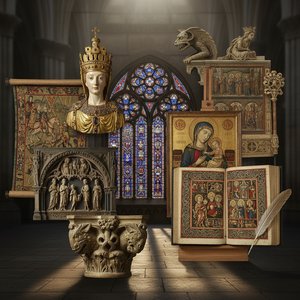
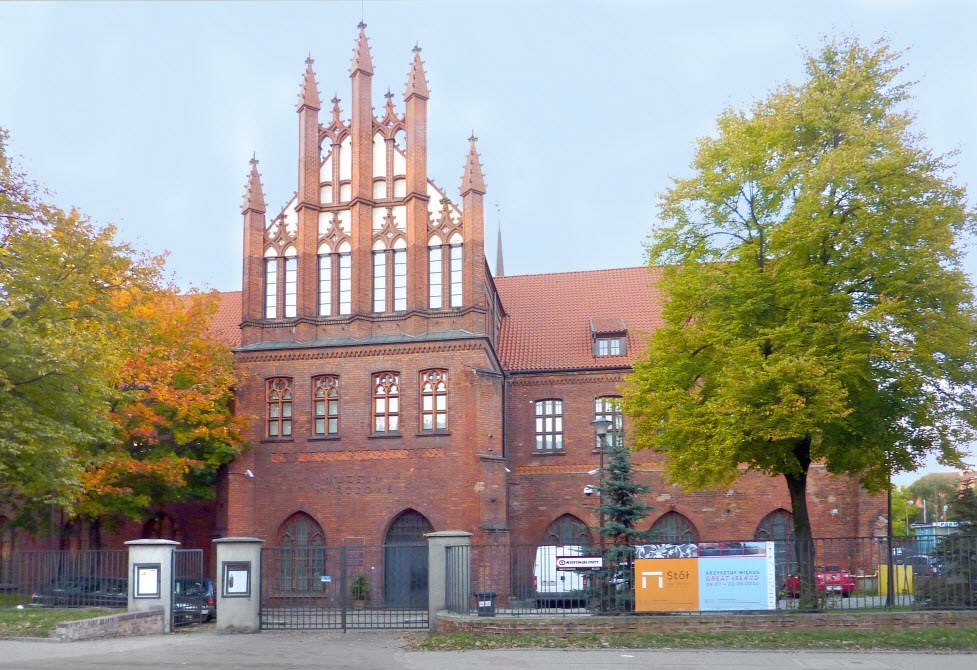
To step within the walls of the National Museum in Gdańsk is to enter a living chronicle of Polish resilience and artistic triumph. Nestled within the serene, hallowed grounds of a beautifully preserved late-Gothic Franciscan monastery, the museum offers far more than a mere display of artifacts; it provides a profound dialogue between the past and the present. The architecture itself serves as a silent narrator, where the heavy, historic stones of the monastic complex cradle a collection that has survived the devastating scars of World War II. This institution stands not only as a repository for beauty but as a beacon of renewal, embodying the unwavering commitment of a nation to protect its cultural soul against the tides of history.
The atmosphere within these walls is one of contemplative grace, where the heavy shadows of the Gothic cloisters meet the light of artistic discovery. For the art historian or the interior designer seeking evocative historical aesthetics, the museum provides an unparalleled sensory journey through layers of time and texture.
A Tapestry of European Mastery
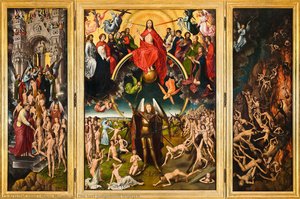
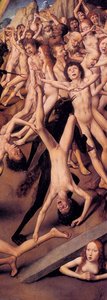
The heart of the museum beats most vibrantly within its diverse and breathtaking galleries, where the evolution of European artistry unfolds in a seamless tapestry. For the serious art enthusiast, the encounter with Hans Memling’s “Last Judgement” is nothing short of a pilgrimage. This monumental Flemish Renaissance triptych, with its staggering level of intricate detail and dramatic theological weight, commands the room, drawing the viewer into a celestial drama that has captivated onlookers for centuries.
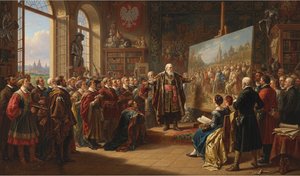
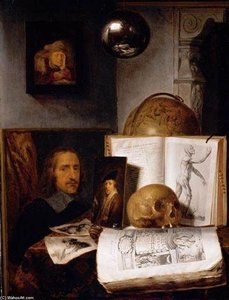
Beyond the Northern Renaissance, the museum invites a deep exploration of Polish identity through a curated journey of portraits, landscapes, and decorative arts spanning from the 15th to the 19th centuries. This historical depth is further enriched by the legendary Jacob Kabrun Collection , a staggering assemblage of works by European masters that highlights Gdańsk’s historic role as a vital crossroads of international artistic influence. Visitors may find themselves immersed in various thematic treasures, including:
- The profound theological narratives of the Flemish Renaissance.
- A curated journey of Polish portraits and landscapes reflecting national identity.
- The exquisite decorative arts that define the region's rich heritage.
- The vast, international treasures of the Jacob Kabrun Collection.
From Medieval Sanctity to Modern Provocation
Yet, the museum refuses to remain anchored solely in antiquity, offering a sophisticated bridge to the contemporary era. Within the elegant halls of the Opatów Palace, the atmosphere shifts toward the avant-garde, where the whispers of the past meet the bold provocations of modernism. Here, visitors can immerse themselves in the fractured perspectives of Cubism, the dreamlike realms of Surrealism, and the raw energy of Abstract Expressionism.
The museum’s commitment to contemporary expression is perhaps most vividly realized in the installations of artists like Bartosz Kokosiński , whose mixed-media works challenge our very perceptions of reality and the physicality of the painted surface. This juxtaposition of medieval sanctity and modern experimentation creates a unique intellectual tension that is rare in traditional institutions. For those seeking to understand the cultural fabric of the region, the museum even extends its narrative into the realm of ethnography within the Spichlerz Opacki , or the Abbot’s Granary, where the collection delves into the daily lives and traditions of Polish society through the lens of folk art and heritage.