

A Tapestry of Souls: The National Museum of the Romanian Peasant
To step into the National Museum of the Romanian Peasant in Bucharest is to leave the frantic pulse of modern life behind and enter a sanctuary where time is measured not by clocks, but by the rhythmic shuttle of a loom and the slow drying of clay. This institution serves as a living archive of a nation’s spiritual and cultural identity, acting as a bridge between generations. It preserves the stories woven into textiles, the prayers etched into icons, and the very essence of rural life that continues to resonate through the centuries. Within its walls, one finds a profound desire to celebrate the artistic heartbeat of the Romanian people, making it far more than a mere repository for artifacts; it is an emotional encounter with the enduring soul of a nation.
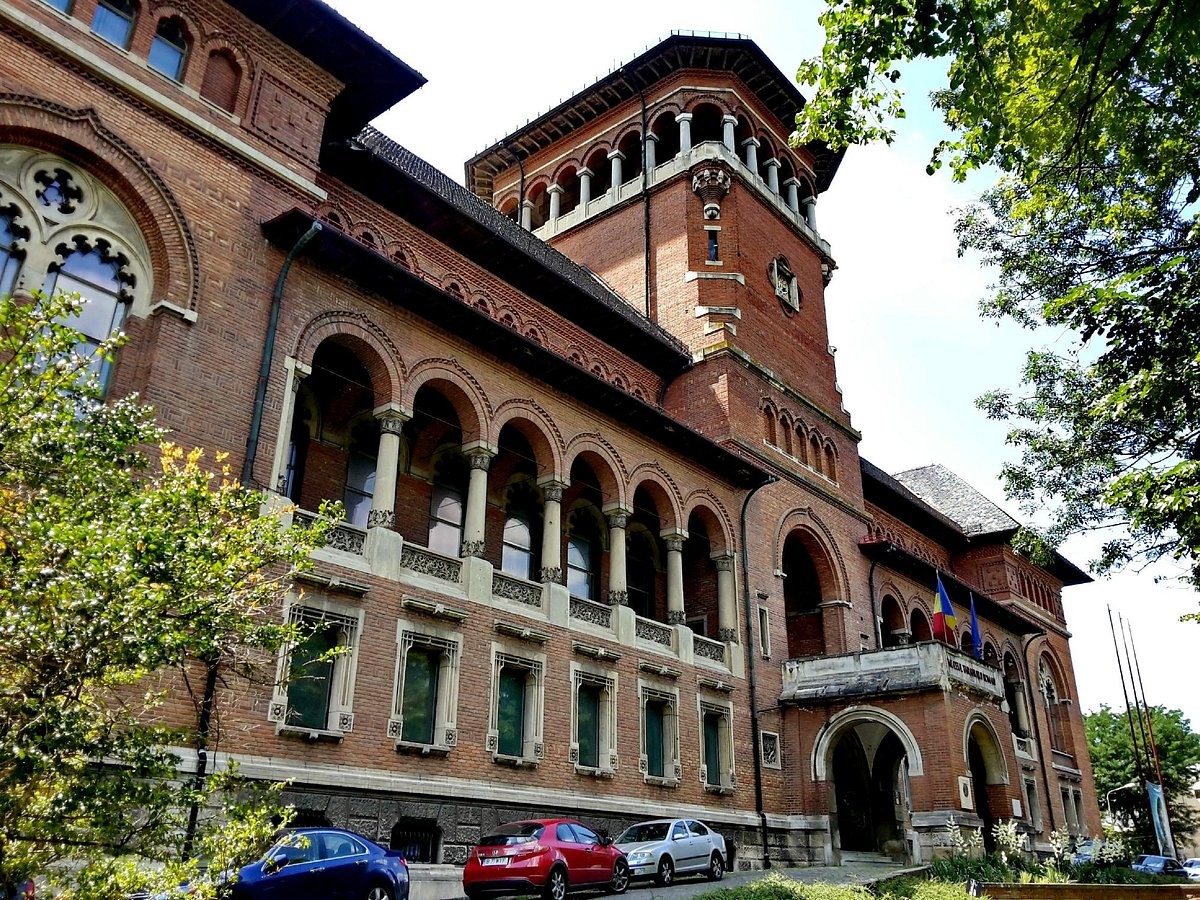
The architecture of the museum itself acts as a majestic prelude to the treasures held within. Situated on the historic site of Bucharest’s former State Mint, the building is a masterpiece of Neo-Romanian design . Conceived by Nicolae Ghica-Bustedi, the structure is a protected monument that embodies the very spirit of national heritage it seeks to protect. As one wanders through its halls, the soaring ceilings and ornate facades—adorned with delicate floral motifs—create an atmosphere of grandeur and reverence. The expansive windows invite natural light to flood the galleries, casting a soft, ethereal glow upon the collections and creating an environment where art and architecture exist in perfect, contemplative harmony.
The Artistry of Heritage and Tradition
The heart of the museum lies in its breathtaking collection, a vast assemblage of items that illuminate the intricate beauty of Romanian folk art. For the collector or lover of fine craftsmanship, the textiles are particularly mesmerizing. These are not merely garments, but canvases of heritage, featuring complex embroidery techniques passed down through maternal lineages. The museum's holdings include:
- The AIEVEA Collection: Stunning pieces inspired by Moldavian traditions that showcase meticulous skill and regional identity.
- Muntenia Traditional Shirts: Vibrant examples of textile art that reflect the unique patterns of the Muntenia region.
- Religious Icons: Extraordinary works that capture the profound spiritual devotion of the Romanian Orthodox tradition.
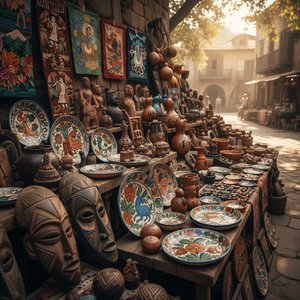
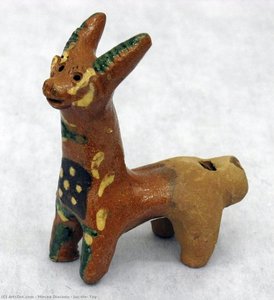
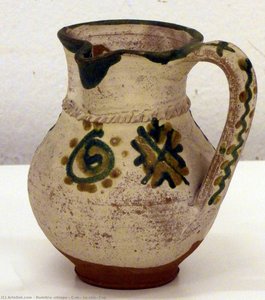
- Authentic Ceramics: Tactile pieces that offer a direct connection to the daily rhythms of ancestral life.
What truly distinguishes this museum from its European counterparts is its ability to transcend traditional exhibition boundaries through immersive design. The celebrated “The House in the House” installation stands as a pinnacle of this approach, reconstructing a traditional peasant dwelling within the museum walls. By eschewing sterile, clinical displays in favor of an atmospheric, non-naturalistic arrangement, the museum invites visitors to inhabit the space emotionally. It is an experience that blurs the line between observer and participant, allowing one to feel the warmth of the hearth and the weight of tradition in a way that few other institutions can achieve.