
A Celestial Symphony: The Eternal Legacy of the Observatoire de Paris
To step into the Observatoire de Paris is to embark on a journey that transcends the boundaries of mere science, entering a realm where the precision of mathematics meets the profound poetry of the cosmos. Founded under the ambitious gaze of Louis XIV, this institution was born from a desire to map the unknown and assert human presence within the vast, uncharted reaches of the heavens. While its origins were rooted in the utilitarian needs of navigation and cartography, the Observatory quickly evolved into a crucible of intellectual and artistic wonder. It stands not merely as a laboratory for astronomers, but as a monument to the human spirit's relentless quest to decode the language of the stars, blending the rigorous discipline of the Enlightenment with an aesthetic grandeur that continues to captivate the modern soul.
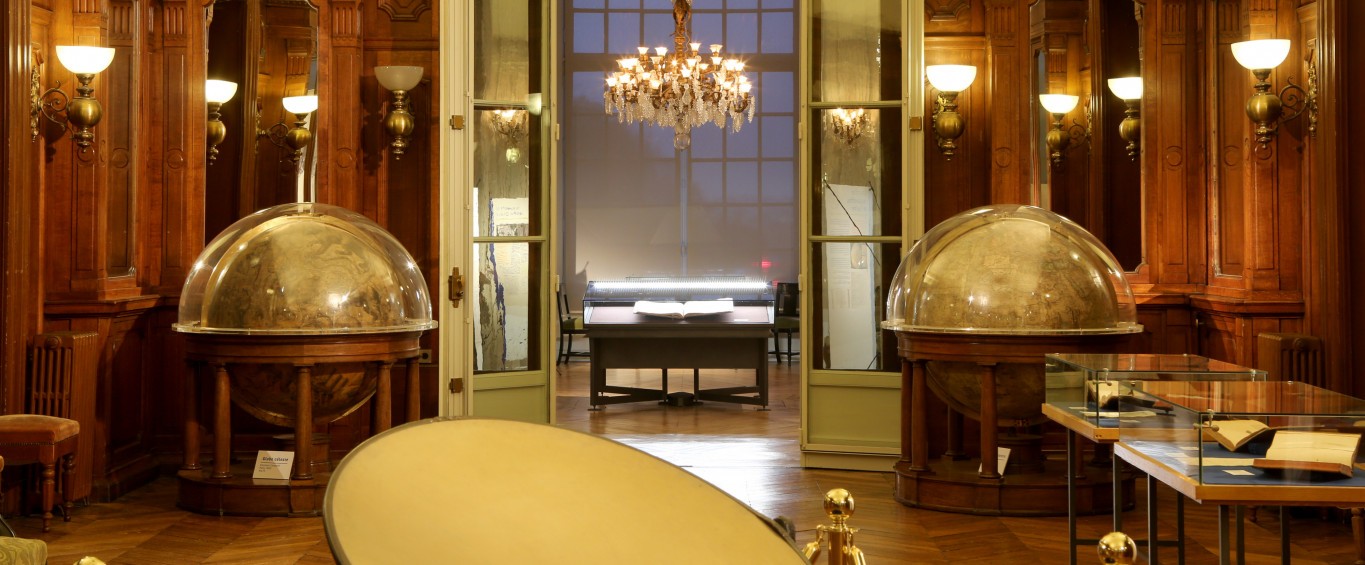
The architecture of the Observatory serves as a physical manifestation of this harmonious union between beauty and empirical truth. The historic site on Place de l'Observatoire in Montparnastre acts as the institution's beating heart, where the very stones seem to resonate with the echoes of centuries of discovery. Visitors wandering through its halls encounter an atmosphere of intellectual fervor, moving through spaces that house a breathtaking collection of historical instruments. One might find themselves mesmerized by the delicate craftsmanship of antique quadrants, astrolabes, and telescopes—objects that are as much masterpieces of fine metalwork and precision engineering as they are tools of science. These artifacts, often crafted by masters of their era, embody a period when the pursuit of knowledge was inseparable from the pursuit of exquisite artistry.
The Artistry of Discovery and Celestial Cartography
The narrative of the Observatory is inextricably linked to the giants of astronomy, most notably Giovanni Domenico Cassini . His meticulous observations of the Saturnian system and his groundbreaking lunar maps represent a pinnacle of achievement, where the painstaking effort of manual observation transformed into a visual legacy of celestial cartography. For the art lover and the discerning collector, the Observatory offers a unique sensory experience that defies simple classification. It is a place where the legacy of architectural elegance meets the profound mysteries of the universe.
The collection's true soul resides in its exquisite historical scientific instruments, which act as silent witnesses to the dawn of modern science. Within these halls, one can encounter:
- Masterpieces of Metalwork: 16th-century astrolabes and quadrants that showcase polished brass surfaces and intricate engravings, representing a perfect marriage of functional brilliance and aesthetic grace.
- Lunar Cartography: The monumental achievement of Cassini's lunar map, which transcends the boundaries of scientific documentation to become a work of pure, evocative art through its masterful command of subtle gradations in color and shading.
- Precision Engineering: Antique telescopes and instruments that embody the spirit of pioneers like Tycho Brahe and Copernicus, serving as bridges between the tangible instruments of Earth and the infinite mysteries of the cosmos.
For the interior designer seeking pieces that embody intellectual elegance or the historian drawn to the romanticism of historical scientific instruments, the Observatory remains a testament to the idea that science and art are two sides of the same coin—both driven by an enduring curiosity to understand our place within the infinite tapestry of existence.