
A Hidden Masterpiece in the Heart of Padua
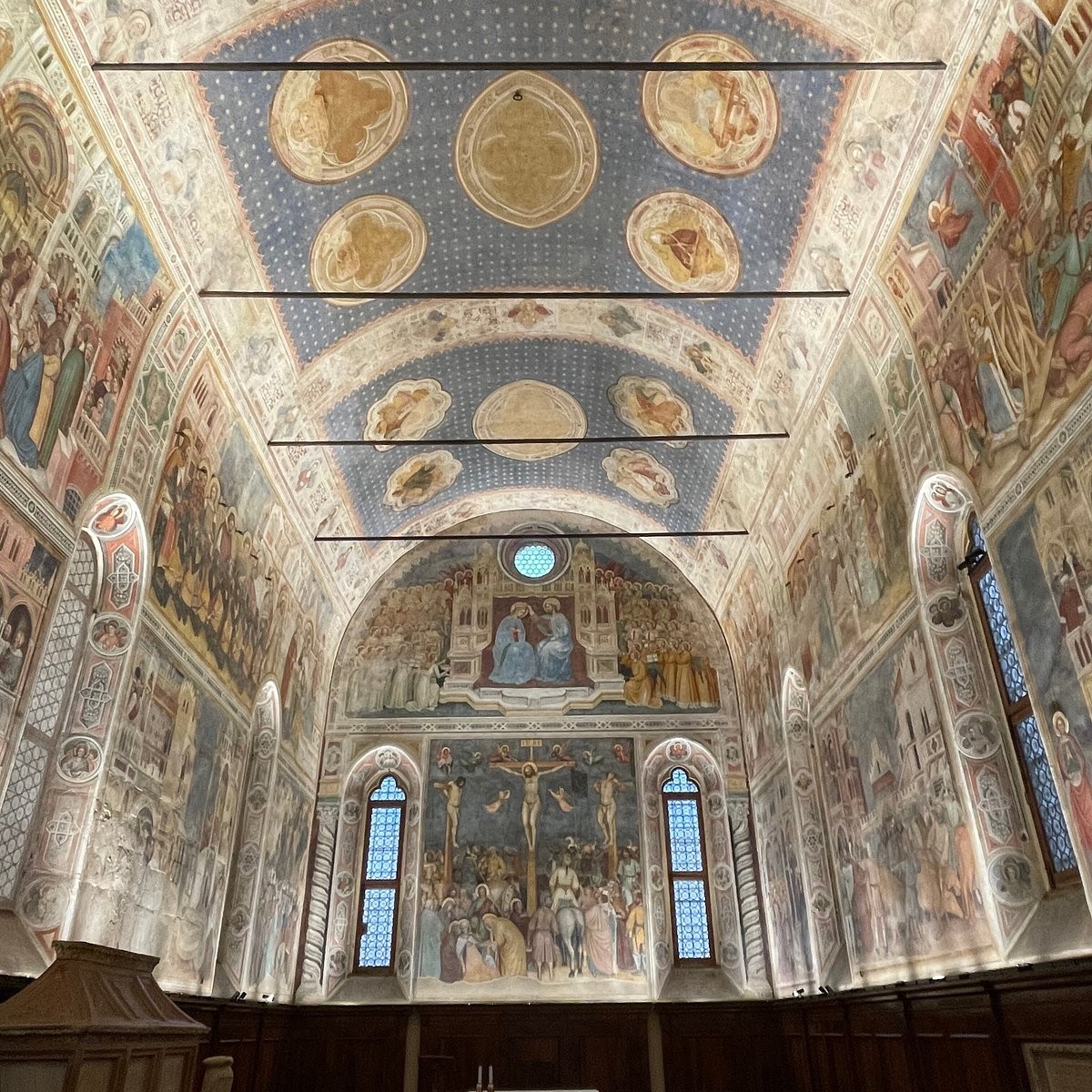
Nestled within the historic soul of Padua , the Oratorio di San Giorgio stands as a profound testament to the artistic transition from the Middle Ages to the dawn of the Renaissance. This intimate sacred space, often whispered about by scholars as being akin to the Scrovegni Chapel but belonging to a different era, offers a rare and breathtaking encounter with the 14th-century mastery of Altichiero da Zevio and his workshop. While its exterior presents an understated elegance of simple brickwork, the chapel serves as a silent, dramatic prelude to the visual explosion found within. It is a place where the boundaries between the divine and the human blur, inviting every visitor into a world of vibrant narrative and spiritual depth.
The history of this sacred site is deeply intertwined with the aristocratic pride of the Lupi family . Commissioned around 1376 by Raimondino de’ Lupi, a soldier and diplomat, the oratory was conceived as a family mausoleum to honor his lineage. This connection between earthly status and religious devotion is masterfully woven into the very fabric of the chapel's decoration. The architecture itself, though modest in footprint, provides a sacred vessel for a cycle of frescoes that have survived against all odds, emerging from a period of obscurity when they were hidden beneath layers of whitewash during Napoleon's reign to be rediscovered and lovingly restored in the late 1990s.
The Narrative Splendor of Altichiero
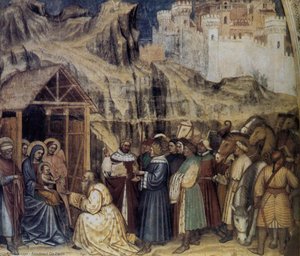
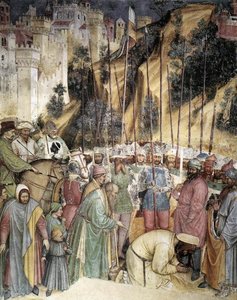
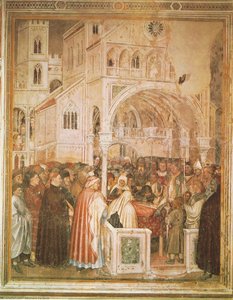
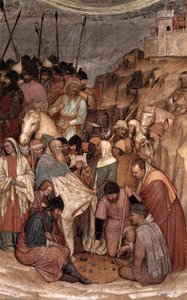
To step inside the Oratorio di San Giorgio is to be enveloped by a panoramic display of color and emotion. The frescoes that dominate every surface are not merely decorations but a sophisticated form of storytelling that guides the viewer’s gaze through profound religious episodes. Drawing inspiration from the groundbreaking techniques of Giotto, Altichermio nonetheless carved out a distinctive identity characterized by an innovative realism and a masterful manipulation of light and shadow. The figures depicted—ranging from the lives of Saint George, Saint Catherine of Alexandria, and Saint Lucy to pivotal moments in the life of Christ—possess a palpable human emotion, their gestures conveying the weight of profound experience.
For art lovers and historians, the true magic lies in the seamless integration of the secular and the sacred. Within these holy scenes, one finds:
- The Lupi Family Portraits: The noble members of the Lupi lineage are depicted in full armor, kneeling in reverent prayer before the Virgin Mary, effectively immortalizing their devotion and social standing within the sacred narrative.
- Dynamic Storytelling: A movement across the walls that utilizes heightened realism to create a sense of drama and presence.
- Restored Vibrancy: The meticulously revived palette that allows the original brilliance of the 14th-century pigments to shine once more after centuries of concealment.
This oratory remains a unique destination for those seeking an intimate connection with the Proto-Renaissance. It is a jewel of Padua, offering a contemplative atmosphere where the artistry of Altichiero continues to inspire awe, making it an essential pilgrimage for anyone captivated by the enduring beauty of Italian monumental painting.