A Renaissance Sanctuary in the Heart of Umbria
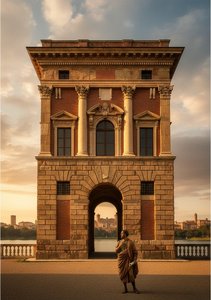
Nestled within the rolling, sun-drenched hills of Umbria, just a short distance from the spiritual aura of Assisi, lies the Palazzo Vitelli a Sant’Egidio. This is not merely a destination for the curious traveler; it is a profound journey through time, where every stone and loggia whispers tales of powerful families, shifting political landscapes, and an enduring commitment to the arts. Once a modest 15th-century residence for the influential Vitelli family—prominent bankers and political titans of Perugia—the palazzo underwent a breathtaking metamorphosis in the late 16th century. Under the visionary stewardship of the diplomat Giovanni Vitelli, the renowned architect Bartolomeo Campi reimagined this space as a grand statement of dynastic prestige. The resulting architecture is a masterful dialogue between Tuscan and Umbrian sensibilities, characterized by its robust brickwork and an elegant loggia that invites the soft Italian light to dance across its intricate, historical detailing.
The Artistry of the Vitelli Legacy
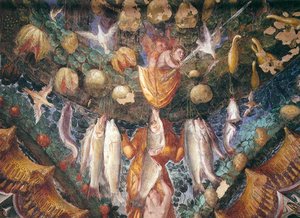
Stepping inside the palazzo is akin to entering a living canvas, where the boundaries between history and art dissolve into a seamless tapestry of splendor. The heart of this architectural jewel is undoubtedly the grand hall, a space that commands reverence through its breathtaking cycle of frescoes. Attributed to the workshop of Pinturicchio , these vibrant scenes recount the life of Saint Francis of Assisi, weaving the family’s political identity with the deep religious fabric of the region. Beyond these walls, the palazzo reveals an astonishing treasury of decorative arts that would captivate any collector or interior designer. One finds oneself lost in the intricate textures of opulent tapestries depicting mythological narratives, the delicate precision of masterfully executed stucco work, and the warmth of intricately carved wooden panels. Every surface serves as a testament to the refined aesthetic of the Renaissance, offering a sensory experience that transcends mere observation and invites a deep, emotional connection to the era.
A Living Dialogue Between Eras
What truly distinguishes Palazzo Vitelli is its refusal to remain a static relic of the past. While it stands as a monument to the Sienese school and Umbrian masters, the museum has embraced a dynamic role in the contemporary art world. Through carefully curated exhibitions, the palazzo fosters a unique conversation between historical artifacts and modern installations, allowing the echoes of courtly Renaissance life to resonate with the sensibilities of today. Even as meticulous restoration efforts continue to peel back the layers of time—potentially revealing hidden frescoes or architectural secrets yet unseen by the public eye—the palazzo remains a sanctuary for those seeking beauty. For the art enthusiast and the designer alike, it offers an unparalleled source of inspiration, proving that true splendor is found not only in what is preserved but in how the past continues to breathe life into the present.