

A Window into Faith: The Parish Church Museum of Vereșegyháza
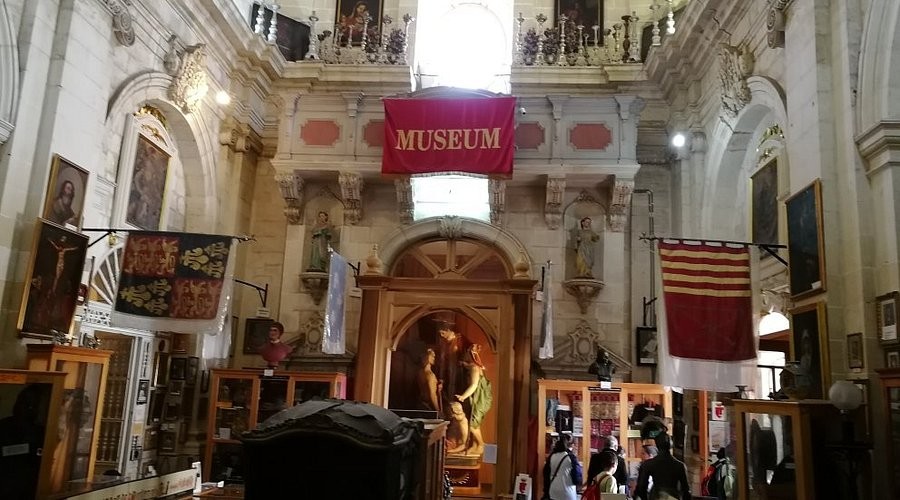
Nestled in the heart of Hungary’s Pest County, within the charming town of Vereșegyháza, lies a treasure trove of artistic and cultural significance – the Parish Church Museum. More than just a repository of religious artifacts, this museum offers a profound glimpse into the rich history of the Greek Catholic community and their enduring connection to Hungarian identity. Housed within the very walls of the historic parish church itself, the museum invites visitors on a contemplative journey through centuries of devotion, artistic expression, and spiritual heritage.
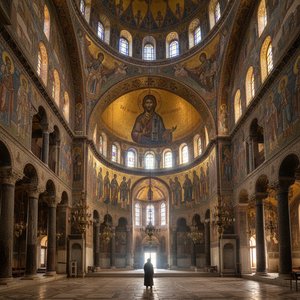
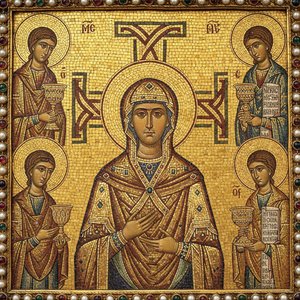
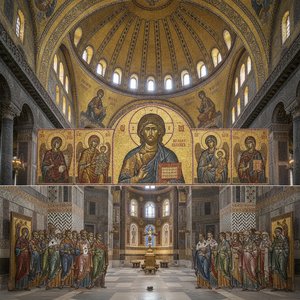
The core of the museum’s collection revolves around its remarkable assemblage of liturgical objects – intricately crafted icons, richly embroidered textiles, and ornate chalices that once pulsed with life during Greek Catholic ceremonies. These aren't merely decorative pieces; they are tangible embodiments of faith, each imbued with symbolism and a deep connection to ancient traditions. Alongside these treasures, the museum showcases a diverse range of ecclesiastical art, including stunning sculptures depicting biblical figures and scenes, reflecting the profound influence of Byzantine artistry on Hungarian religious iconography. The careful curation highlights not only the beauty of these works but also their historical context – demonstrating how artistic styles evolved over time while retaining core spiritual themes.
Echoes of Byzantium and Hungarian Identity
The Parish Church Museum’s significance extends beyond its collection; it's a testament to the enduring legacy of Byzantine art in Hungary. The museum masterfully illustrates this connection, revealing how artistic motifs and techniques from the Eastern Roman Empire were adopted and adapted by Hungarian artists throughout the centuries. This influence is particularly evident in the faces of the icons – their serene expressions and stylized features echoing the timeless beauty of Byzantine masterpieces. Furthermore, the museum contextualizes these artistic influences within the broader narrative of Hungarian history, demonstrating how religious art served as a powerful means of preserving cultural identity during periods of political upheaval and foreign rule. The artifacts tell stories of resilience, faith, and the enduring spirit of a community.
A Sacred Space: Architecture and History
What truly elevates the museum experience is its unique location – within the very church it houses. While specific architectural details of the original parish church are not extensively documented, its presence immediately establishes an atmosphere of reverence and historical weight. The building itself serves as a powerful link to the past, transporting visitors back in time to when this space was at the heart of community life. The museum’s design thoughtfully integrates these historical elements, allowing visitors to appreciate both the artistic treasures within and the architectural context that shaped them. It's a space where art and history converge, creating an immersive experience that transcends mere observation.
Beyond the Artifacts: A Living Legacy
The Parish Church Museum distinguishes itself through its focused specialization on Greek Catholic art – a relatively under-explored facet of Hungarian religious heritage. It’s not simply a display of objects; it's an active preservation effort, safeguarding a unique cultural legacy for future generations. The museum’s mission extends beyond showcasing the past; it aims to be a “window to eternity,” offering visitors a space for reflection and contemplation on faith, culture, and the enduring power of artistic expression. The collection is regularly updated with new acquisitions, ensuring that the museum remains a vibrant center for research and education.
Visiting the Museum
Located in Vereșegyháza, Hungary, the Parish Church Museum offers a rewarding experience for art enthusiasts, history buffs, and anyone interested in exploring Hungarian cultural heritage. The museum’s website (