
Verona’s Hidden Sanctuary: Where Faith Meets Artistic Legacy
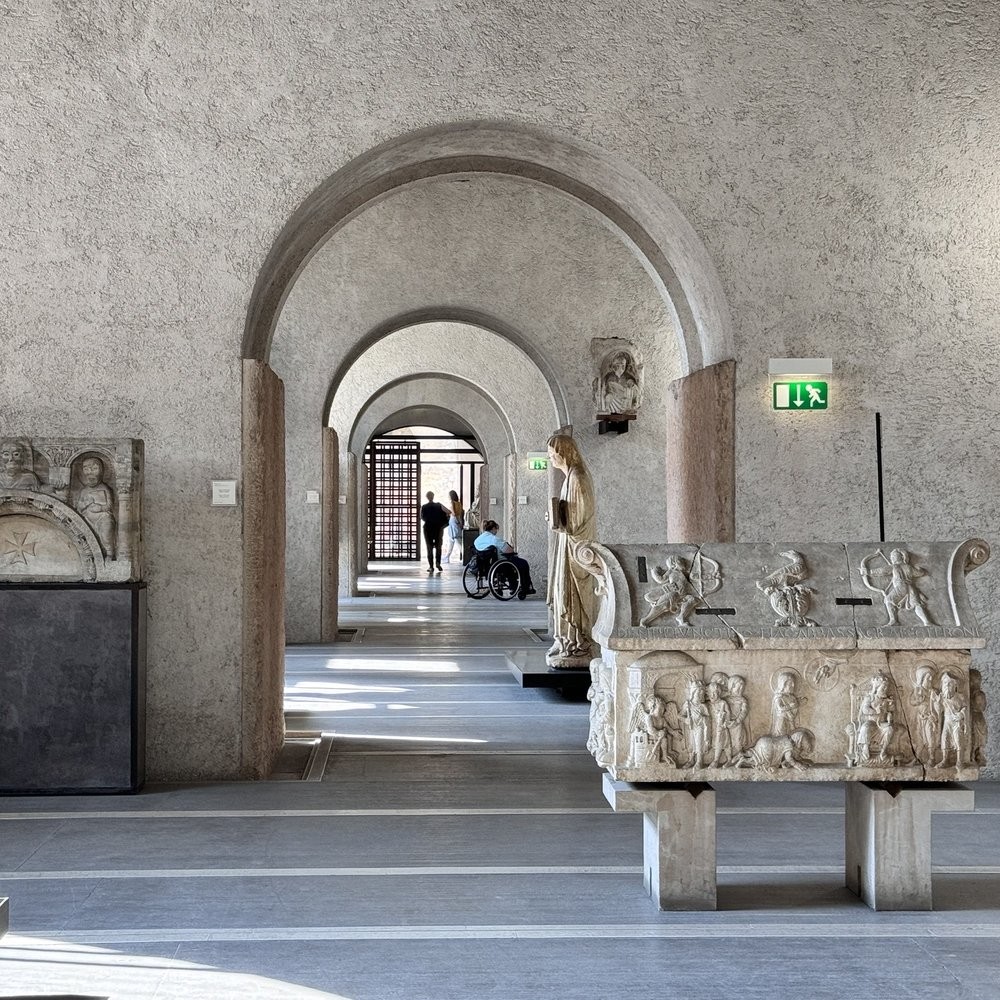
Nestled within the ancient, winding streets of Verona, Italy, the Parrocchiale offers far more than a mere glimpse into the past; it provides an intimate encounter with the very soul of the region. Born from the repurposed bones of a historic church, this sanctuary serves as a profound bridge between the spiritual devotion of centuries past and the enduring beauty of Renaissance and Gothic mastery. Unlike the overwhelming scale of metropolitan galleries, Parrocchiale invites a quiet, contemplative dialogue. Its smaller, more personal dimensions allow the discerning visitor—whether an art historian, a passionate collector, or an interior designer seeking inspiration—to absorb the subtle nuances of every brushstroke and the delicate textures of weathered stone without the distraction of modern crowds.
The architectural narrative of the space is itself a masterpiece of evolution, reflecting the layered history of Verona through its Romanesque foundations and later Baroque embellishments. As one moves through the halls, the original stone façade and intricate carvings stand as silent witnesses to the skill of medieval artisans. This structural metamorphosis mirrors the museum's collection, where the sacred and the secular intertwine. The walls do not merely hold art; they breathe with the history of a community, showcasing artifacts that illuminate the daily customs and the rhythmic pulse of Veronese life throughout the ages.
The Breath of the Late Gothic: Altichiero’s Masterpiece
At the heart of this sacred space lies a collection that commands absolute reverence, most notably the breathtaking fresco cycle attributed to Altichiero da Verona. Working during the pivotal years of the late 14th century, Altichiero stands as a titan of Veronese painting, and his depictions of the Passion of Christ remain some of the most evocative works in the region. These frescoes are not merely decorative; they are windows into a profound theological landscape. The vibrant pigments, preserved through the centuries, dance across the walls with a vitality that feels almost contemporary, utilizing a masterful composition to guide the eye through scenes of intense emotional and spiritual weight.
To study these frescoes is to engage with deep symbolism. Every figure and every shadow was meticulously placed to convey complex religious narratives, making the walls a canvas of layered meanings that continue to intrigue scholars today. For those drawn to the intersection of technique and emotion, Altichiero’s ability to blend naturalistic detail with divine grandeur offers an unparalleled aesthetic experience. This mastery of light and form provides a timeless reference point for anyone captivated by the power of narrative art.
A Convergence of Eras: From Futurist Vision to Sculptural Grace
The brilliance of Parrocchiale lies in its unexpected ability to harmonize disparate artistic movements, creating a dialogue between the ancient and the avant-garde. This tension is beautifully embodied in the presence of Abbot Handerson Thayer's evocative sculpture, “Tomb of Verona.” A weathered stone horse statue, this piece exudes a sense of resilience and quiet grace, acting as an anchor of classical strength within the museum’s halls. It stands in striking contrast to the more modern intellectual provocations found within the collection, such as the architectural drawings by Antonio Sant’Elia.
The inclusion of Sant’Elia’s work brings a sudden, electric pulse of Futurism to the sanctuary. His precise pen and ink lines, capturing the dynamic energy of early 20th-century urban development, represent an ambitious vision for Verona’s future. This juxtaposition—the heavy, enduring stone of the past meeting the sharp, kinetic lines of the modern era—is what makes Parrocchiale a unique destination. It is a place where the architectural echoes of the past and the bold dreams of the future coexist, offering a rich, multi-sensory journey through the very essence of Italian cultural heritage.


