
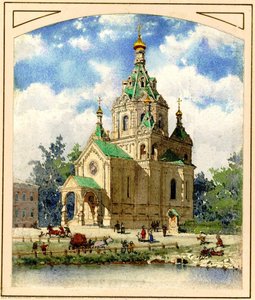
A Window into the Russian Soul
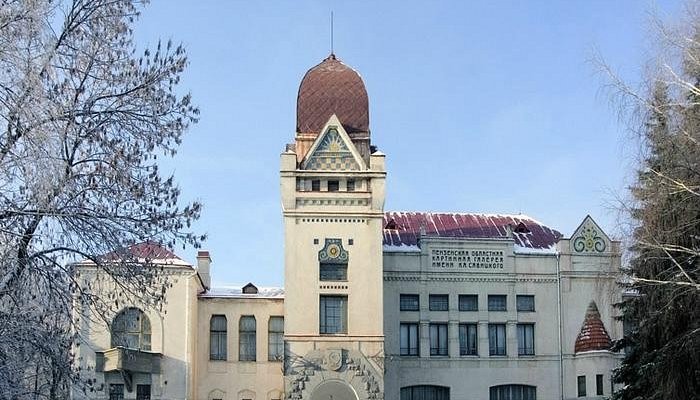
Nestled within the historic heart of the Volga District, the Penza Regional Picture Gallery serves as a profound testament to the enduring spirit of Russian artistic heritage. To walk through its halls is to embark on a journey through time, where the very essence of the Russian soul is laid bare through layers of pigment, light, and historical narrative. The gallery stands not merely as a repository of art, but as a stately landmark that reflects the city's deep-seated commitment to cultural enrichment and the preservation of its visual identity. As one wanders through the curated spaces, the atmosphere fosters a sense of deep contemplation, offering a serene environment where history and creativity converge.
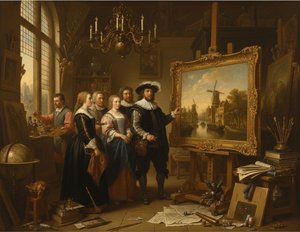
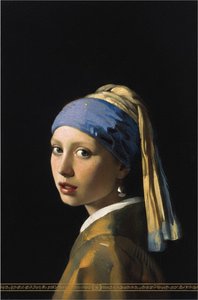
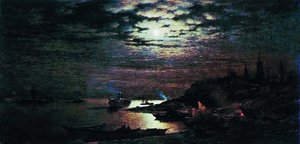
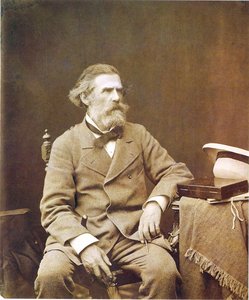
The collection is a breathtaking tapestry of artistic evolution, weaving together the spiritual gravity of early Russian iconography with the dramatic intensity of European traditions. Visitors may find themselves captivated by the masterful use of chiaroscroll found in works reminiscent of the Dutch Golden Age, where the interplay of light and shadow evokes the grandeur of masters like Rembrandt and the theatrical compositions of Caravaggio. This dialogue between East and West is further enriched by substantial Russian holdings, which document a stylistic shift from sacred icons to the powerful, grounded realism championed by Konstantin Savitsky —a figure whose legacy is inextricably linked to the region’s artistic identity. Through these canvases, one can trace the movement of history from the divine to the human, from the ethereal to the earthbound.
A Legacy of Resilience and Realism
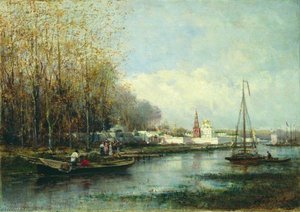
Beyond its classical triumphs, the gallery offers a poignant look at the 20th century through the lens of Soviet art. Here, the monumental landscapes and portraits of Socialist Realism celebrate themes of labor, heroism, and the rugged beauty of the land, providing a vital connection to the Penza Oblast. These works capture the visual narrative of a region defined by its natural splendor and cultural resilience, making the gallery an essential destination for those seeking to understand the historical pulse of the Russian landscape.
For the contemporary observer or the interior designer seeking inspiration, the gallery’s offerings provide a masterclass in harmony, light, and color. The institution continues to serve as a vital catalyst for scholarly dialogue through exhibitions that range from religious iconography to European landscapes. It remains a living, breathing institution that invites every visitor to immerse themselves in a rich, multi-layered history of human creativity, making it a cornerstone of cultural preservation in the Russian Federation.