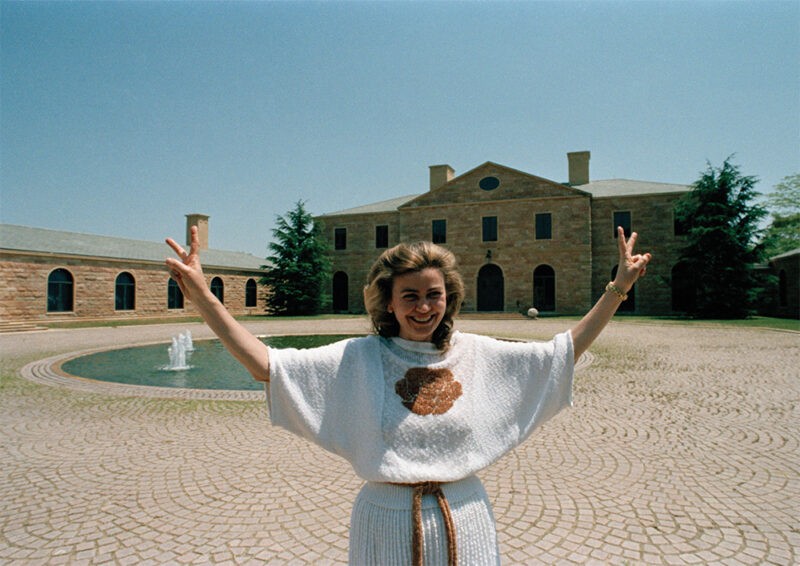


A Sanctuary of Splendor
Nestled within the tranquil, verdant expanse of the Jasna Polana estate in Princeton, New Jersey, the Piasecka-Johnson Collection stands as a profound testament to the transformative power of passion and the enduring allure of European heritage. This is not merely a curated assemblage of fine art; it is a deeply personal odyssey captured in pigment, thread, and gilded wood. The collection serves as a bridge across centuries, inviting viewers to step into a world where the grandeur of the Old Masters meets the intimate elegance of aristocratic life. The estate itself provides a serene, contemplative backdrop, allowing the dramatic narratives within the artworks to resonate with a clarity that is rarely found in the bustling corridors of metropolitan museums.
At the very heart of this extraordinary treasury lies the visceral intensity of the Baroque era, most notably embodied by Caravaggio’s monumental The Sacrifice of Isaac . To stand before this masterpiece is to witness the height of chiaroscuro , where light and shadow engage in a breathless struggle, pulling the biblical drama into the viewer's immediate reality. This mastery of tension is echoed throughout the collection, which features works by luminaries such as Rembrandt and Raphael. These canvases do more than depict history; they capture the intellectual currents and emotional depths of their respective eras, offering a window into the very soul of European artistic innovation.
A Tapestry of Texture and Tradition
The sensory experience of the collection extends far beyond the painted canvas, weaving a rich tapestry of texture and craftsmanship. The inclusion of exquisite Flemish tapestries introduces a rhythmic, narrative complexity to the galleries. These intricately woven textiles, born from the skilled hands of Renaissance and Baroque weavers, depict mythological legends and heraldic tales with a soft, tactile splendor that complements the sharp drama of the oil paintings. This interplay between the visual and the textural is further enriched by an opulent assortment of 18th-century furniture and decorative arts.
For the art lover or the interior designer seeking inspiration in the heights of classical beauty, the collection offers a unique encounter with several notable elements:
- Masterful Light: The command over dramatic interplay between light and shadow that defines the Baroque spirit.
- Decorative Grandeur: Meticulously carved cabinetry and gilded frames that evoke the sophisticated tastes of European nobility.
- Historical Depth: A collection that reflects a life dedicated to the pursuit of beauty, featuring works attributed to major Italian and Dutch painters.
What truly distinguishes the Piasecka-Johnson Collection is its unique character as a site of scholarly engagement and private devotion. While it maintains the intimate atmosphere of a private estate, it remains a vital space for exploring the complex interplay of art, patronage, and society. It provides an unparalleled encounter with the masterpieces that have defined the Western canon, preserved within a sanctuary of peace and historical significance.


