

A Living Tapestry of Time: The Soul of Piazza Maggiore
To step into Piazza Maggiore is to surrender to the rhythmic heartbeat of Bologna, a place where the boundaries between the ancient past and the vibrant present dissolve into a single, breathtaking vista. This iconic central square is far more than a mere geographical hub; it is a profound architectural dialogue that has unfolded over centuries. As one wanders through its expansive reaches, the eye is immediately drawn to the Basilica di San Petronio , an unfinished masterpiece of the Renaissance that dominates the skyline with its soaring nave and ethereal stained glass. The square itself acts as an open-air gallery, where the 15th-century layout serves as a stage for the city's enduring grandeur, inviting both the casual traveler and the discerning art lover to lose themselves in a landscape of stone, shadow, and light.
The architectural ensemble surrounding the piazza tells a story of civic pride and administrative power. The Palazzo d'Accursio stands as a magnificent sentinel of Gothic Revival elegance, its intricate carvings reflecting the deep-seated artistic sensibilities of the Bolognese people. Nearby, the Palazzo dei Banchi exudes an air of sophisticated commerce, its classical columns and ornate stucco decorations whispering tales of the city's historical economic prowess. For those captivated by the interplay of justice and governance, the Palazzo del Podestà offers a sculptural journey through allegorical figures of prudence and law. Together, these structures form a cohesive, monumental embrace that defines the very essence of Bologna’s urban identity.
An Archaeological and Artistic Odyssey
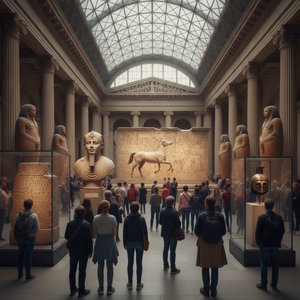
Beyond the architectural splendor, the true treasure of this site lies in its ability to bridge disparate eras through its archaeological and artistic offerings. Within the Palazzo Galvani , the Archaeological Museum unveils the hidden layers of Bononia , the ancient Roman settlement. Here, visitors can trace the evolution of human civilization from prehistoric roots through the height of the Roman Empire. The collection is a breathtaking mosaic of history, featuring delicate Egyptian papyrus scrolls that transport the soul to the banks of the Nile, and exquisite Etruscan bronze sculptures of Apollo and Diana that showcase a mastery of form and mythological symbolism. These artifacts do not merely sit in glass cases; they breathe life into the soil of Emilia-Romagna, offering a tangible connection to the hands that shaped them millennia ago.
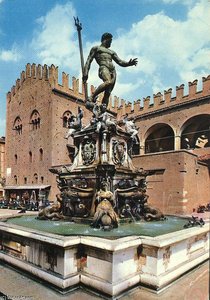
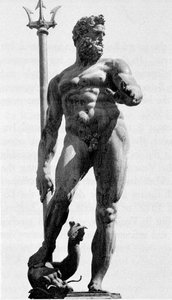
What truly distinguishes Piazza Maggiore is its seamless integration of monumental history with the pulse of contemporary life. The experience extends into the adjacent Piazza del Nettuno , where the legendary Fountain of Neptune by Giambologna stands as a triumph of Renaissance and Baroque exuberance. This nearby sanctuary, flanked by the scholarly Biblioteca Salaborsa , creates a cultural ecosystem where one can contemplate the weight of antiquity while surrounded by the dynamic energy of modern Italy. For the collector or designer seeking inspiration, the piazza offers an inexhaustible palette of textures, historical narratives, and aesthetic triumphs, making it a destination that nourishes the spirit and ignites the imagination.