

A Sanctuary of Light and Shadow: Stepping into Rembrandt’s Amsterdam
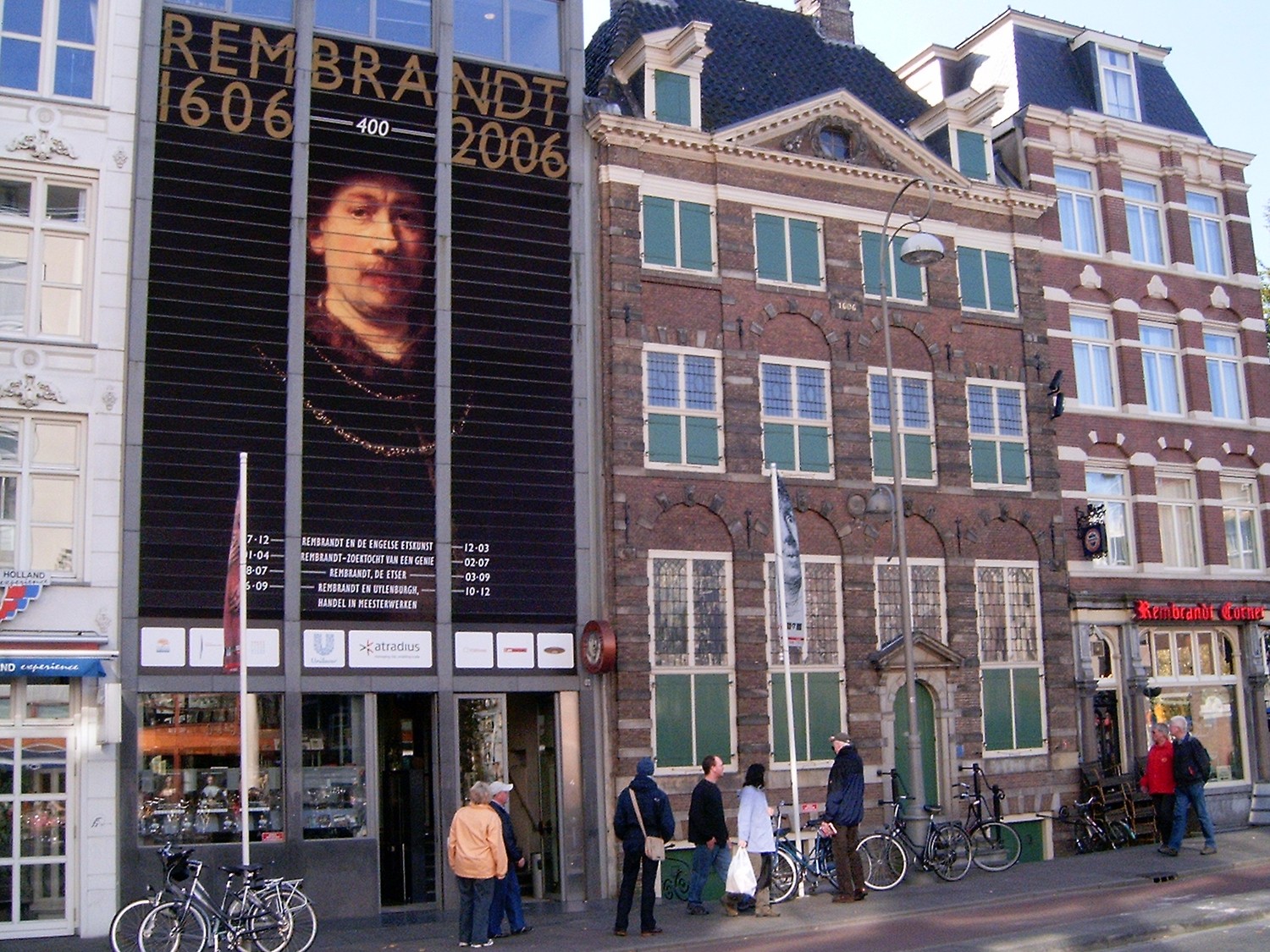
The air in Amsterdam holds a certain quality of light, a diffused glow that seems to emanate from the very canals themselves. It is within this city, steeped in the history of the Dutch Golden Age, that one finds the Rembrandt House Museum —not merely a repository of art, but an intimate portal into the life and creative world of one of history’s most profound masters. To walk through its rooms is to traverse time, feeling the presence of Rembrandt van Rijn as if he had just stepped out of his studio. The house, originally constructed around 1606 and substantially renovated in 1627 by Jacob van Campen, stands as a testament to the architectural sensibilities of the era—a dignified structure reflecting the prosperity and artistic flourishing that defined Amsterdam’s 17th century.
Rembrandt himself purchased this very building in 1639, investing thirteen thousand guilders into a space that would become both his home and the epicenter of his artistic endeavors for nearly two decades. Situated on Jodenbreestraat, amidst Amsterdam's historic Jewish Quarter, the museum offers a unique glimpse into the cultural landscape of Rembrandt’s era—a vibrant tapestry woven with threads of commerce, scholarship, and artistic innovation. The meticulous restoration undertaken by Karel de Bazelle in 1911 ensured that the house retained its original character, preserving invaluable details about Rembrandt’s domestic life and studio environment for generations to come.
The Heart of Creation: Studio and Living Quarters
What distinguishes the Rembrandt House Museum from so many others is its profound authenticity. It isn’t simply about Rembrandt; it is Rembrandt's world made tangible. The carefully reconstructed living quarters offer an evocative glimpse into his domestic life, revealing a space that was both comfortable and functional. One can almost picture him surrounded by family, engaging in lively conversation or quiet contemplation amidst period pieces—furniture, textiles, and decorative objects that faithfully recreate Rembrandt’s daily routines. For the art lover and interior designer alike, these rooms serve as a masterclass in 17th-century Dutch aesthetics, where the interplay of texture and light defines the atmosphere.
The studio itself is not merely a static display but a space that breathes with the energy of creation. Recent archaeological discoveries have only deepened our understanding of his genius; notably, the finding of quartz soil in the cesspool revealed a unique method he used to prepare his canvases—a testament to his innovative spirit and meticulous approach to the physical medium. Researchers painstakingly recreated Rembrandt’s studio based on detailed drawings and inventories, allowing visitors to experience the very atmosphere where groundbreaking techniques were born through the marriage of quartz and clay.
A Legacy Etched in Copper: Exploring Graphic Mastery
Beyond the reconstructed rooms, the museum boasts an extraordinary collection centered around Rembrandt’s mastery of etching. It holds nearly his complete oeuvre of etchings, alongside the original copper plates from which they were created—a rare and invaluable treasure trove for scholars and collectors. These intricate works reveal a different facet of his genius, showcasing a remarkable ability to capture light, shadow, and emotion with astonishing precision. To examine these plates is to witness the very genesis of an image, tracing the lines that would ultimately define some of art history’s most iconic works.
This collection illuminates how Rembrandt's graphic art profoundly impacted his painting style, demonstrating a symbiotic relationship between two distinct artistic mediums. The museum thoughtfully contextualizes these prints within the broader narrative of his development, showing how the precision of the etched line informed the dramatic chiaroscuro of his oil paintings. Furthermore, the museum acknowledges the vibrant artistic ecosystem surrounding the master by displaying works by his pupils, such as Ferdinand Bol and Govert Flinck. These pieces offer a fascinating counterpoint, revealing how Rembrandt's artistic vision permeated the work of his students, ensuring that his stylistic innovations would resonate through the centuries.