


A Symphony of Stone and Sound
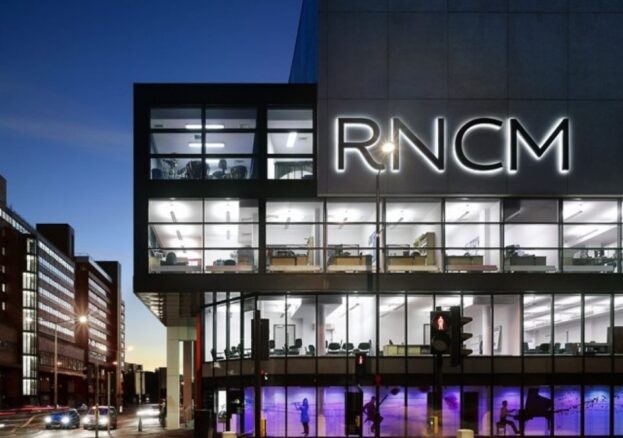
To step into the Royal Northern College of Music is to enter a sanctuary where the ephemeral beauty of melody meets the enduring strength of architectural vision. Located in the vibrant heart of Manchester, this institution is far more than a mere conservatory; it is a living archive of human expression. The building itself, a modernist marvel constructed between 1968 and 1973 by the architects Bickerdike, Allen, and Rich, serves as a profound metaphor for the music it houses. Its concrete structure, defined by soaring glazed bays and commanding square pillars, captures the bold, rhythmic energy of the twentieth century, allowing light to flood through spaces that feel both monumental and intimately connected to the world outside.
The history of the RNCM is a rich tapestry woven from the legacies of great musical pioneers. Its roots stretch back to 1858, born from the unwavering dedication of Sir Charles Hallé, whose passion for orchestral excellence laid the foundation for what would become a global beacon of talent. The institution we recognize today emerged through the elegant merger of the Royal Manchester College of and the Northern School of Music in 1972, uniting two distinct lineages of pedagogical excellence into a single, harmonious entity. This historical depth provides a sense of continuity, where the echoes of nineteenth-century tradition resonate within a contemporary, cutting-edge environment.
A Treasure Trove of Timeless Craftsmanship
For the discerning collector and lover of fine craftsmanship, the true soul of the RNCM lies in its extraordinary assemblage of antique instruments. These are not merely silent relics preserved behind glass; they are the very heartbeat of the college. To wander through these collections is to encounter the physical manifestations of musical genius. One might find themselves captivated by the exquisite curves of a violin crafted by the legendary Stradivari, or moved by the deep, resonant character of cellos that seem to still vibrate with the spirit of Bach. Each instrument tells a story of meticulous artistry, representing a pinnacle of woodworking and acoustic engineering that transcends generations.
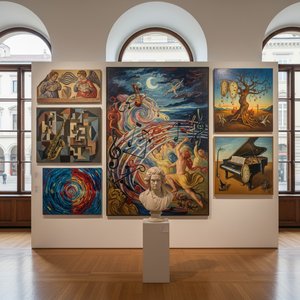
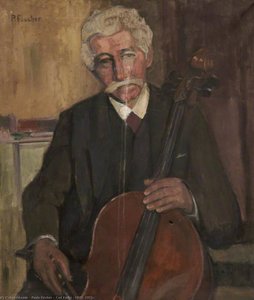
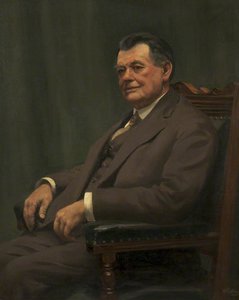
This dedication to the tangible beauty of art is mirrored in the museum’s curated fine art collection, which offers a visual counterpoint to its auditory treasures. The halls are graced by works that invite deep contemplation, such as the evocative urban landscapes of Laurence Stephen Lowry. His depiction of the Salford cityscape provides a poignant look at the relationship between observation and representation, grounding the college's lofty musical pursuits in the grit and grace of local life. Similarly, the presence of masterpieces like Johannes Vermeer’s The Music Lesson serves as a sublime reminder of the meticulous detail and subtle symbolism that define true excellence, bridging the gap between the visual and the melodic.
A Dynamic Stage for Contemporary Vision
What truly distinguishes the Royal Northern College of Music is its refusal to remain static. It functions as a dynamic public venue where the boundaries between performer and observer are perpetually blurred. The college thrives on a constant state of creative exchange, hosting world-renowned concerts, captivating opera productions, and intimate recitals that breathe life into its historic halls. This vibrant atmosphere makes it a vital destination for those who seek not just to observe art, but to experience its transformative power in real-time. Through collaborations with leading composers and contemporary performers, the RNCM ensures that its mission of innovation remains as loud and clear as a crescendo.
For interior designers and curators, the RNCM offers endless inspiration, blending the industrial strength of modernist design with the delicate elegance of classical heritage. It is a place where the weight of history informs the creativity of the future, making it an essential pilgrimage for anyone moved by the intersection of sound, sight, and soul. Whether through its breathtaking architecture, its incomparable collection of instruments, or its role as a catalyst for new musical frontiers, the college remains a testament to the enduring power of artistic vision.