
A Palace of Light and Shadow
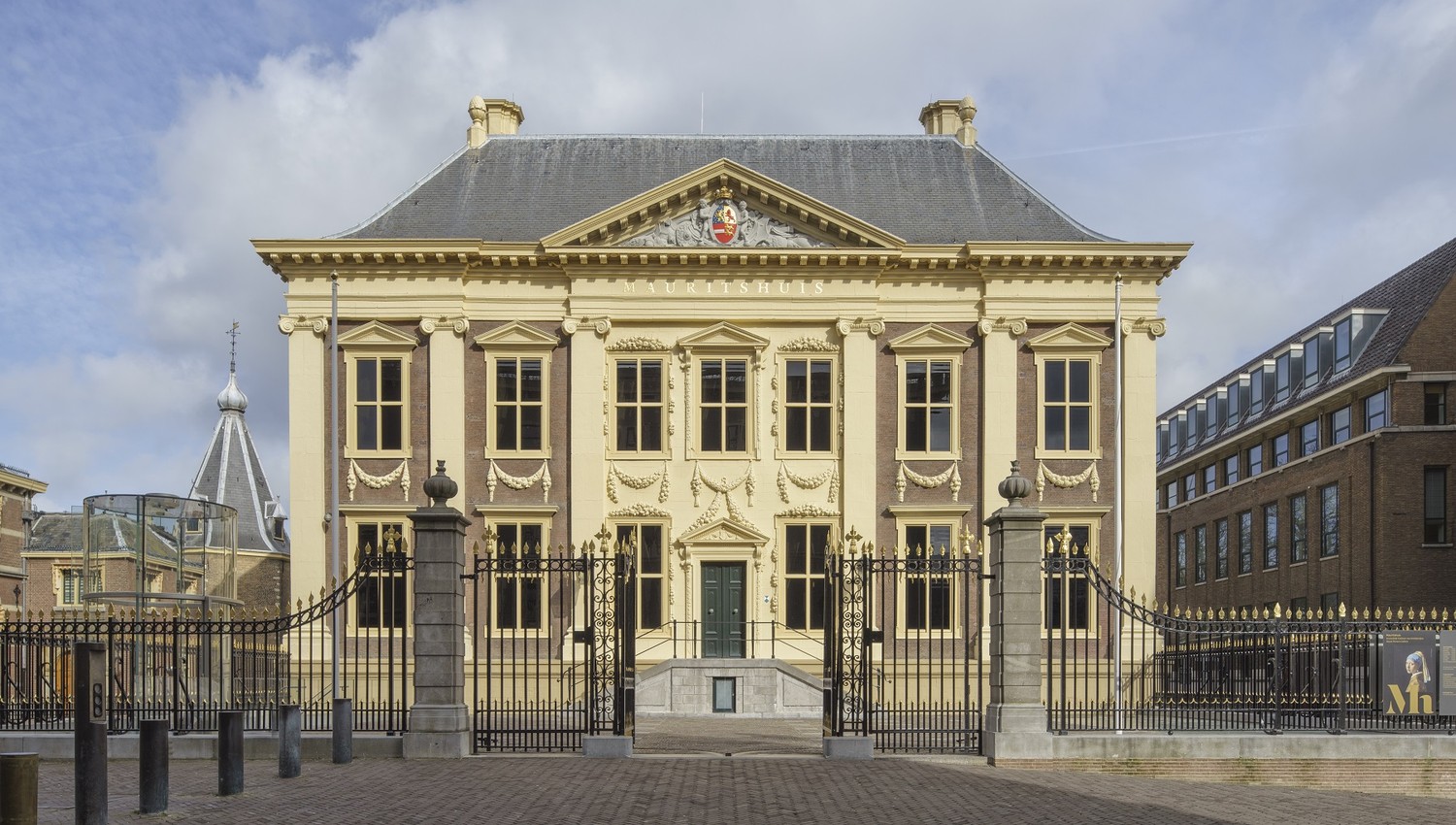
Nestled beside the tranquil waters of the Hofvijver pond in The Hague, the Royal Picture Gallery Mauritshuis stands as a breathtaking testament to the golden age of Dutch artistic brilliance and royal ambition. This architectural masterpiece, designed by Jacob van Campen in the mid-seventeenth century, is more than just a repository of art; it is a palace of light and shadow where the grandeur of Dutch Classicism meets the intimate soul of the Baroque era. Originally serving as a residence for the House of Orange, the building’s symmetrical façade and soaring cupola reflect a period of profound cultural flourishing. To step through its doors is to enter a world where every gilded frame and stuccoed ceiling whispers stories of royal patronage and the enduring legacy of the Netherlands' most celebrated masters.
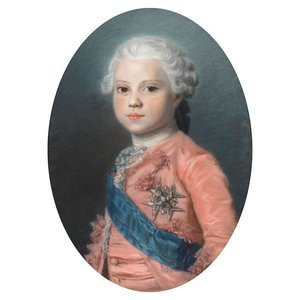
The very structure of the Mauritshuis invites a sensory immersion into the lifestyle of the Dutch court. Beyond the canvas, the museum offers a glimpse into an era of elegance through the Prince William V Gallery, which serves as a magnificent showcase for decorative arts. Here, exquisite furniture, fine textiles, and delicate ceramics complement the surrounding paintings, offering a holistic view of Enlightenment-era elegance. This seamless integration of fine art and decorative splendor makes the Mauritshuis a primary inspiration for interior designers seeking to evoke a sense of timeless sophistication in any space.
The Heart of the Golden Age
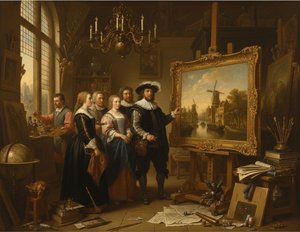
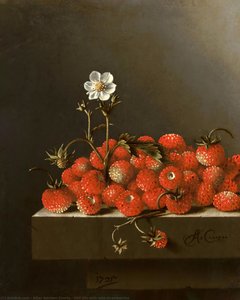
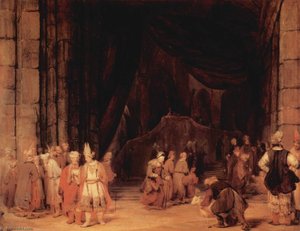
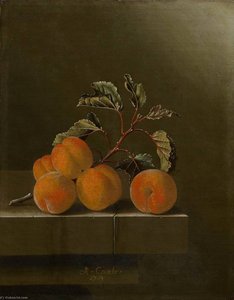
The heart of the Mauritshuis beats within its extraordinary collection, a curated treasure trove that captures the very essence of the seventeenth century. The gallery offers an unparalleled journey through the evolution of Dutch painting, where the meticulous detail of Jan Steen’s genre scenes and the dynamic energy of Frans Hals’s portraits create a vivid tapestry of human emotion and social life. Collectors and art enthusiasts will find themselves mesmerized by the masterful use of chiaroscuro —that delicate interplay of light and dark—which defines the era's most iconic canvases.
Within these hallowed halls, several masterpieces command absolute reverence:
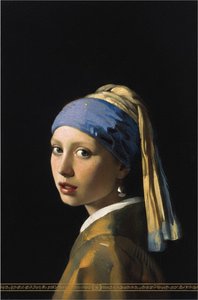
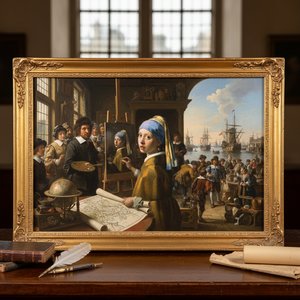
- Johannes Vermeer’s “Girl with a Pearl Earring” : A luminous gaze that captures the quiet intimacy of a domestic interior.
- Rembrandt van Rijn’s profound works : Including the deeply moving Homer , which serves as a meditation on knowledge and virtue through its dramatic use of light and shadow.
- Landscape Mastery : Serene vistas by Jacob van Ruysdael that showcase the era's ability to capture the natural world with breathtaking precision.
What truly distinguishes the Mauritshuis is its ability to transcend the traditional museum experience, offering a sanctuary for contemplation and aesthetic wonder. It is a place where history is not merely studied but felt. Whether one is captivated by the quiet intimacy of a domestic scene or moved by the epic scale of a historical narrative, the museum provides an emotional resonance that lingers long after one has departed its historic halls. For the lover of art, it remains an essential pilgrimage, a luminous sanctuary where the brilliance of the Dutch Golden Age continues to shine with undiminished splendor.