

A Symphony of Heritage and Compassion
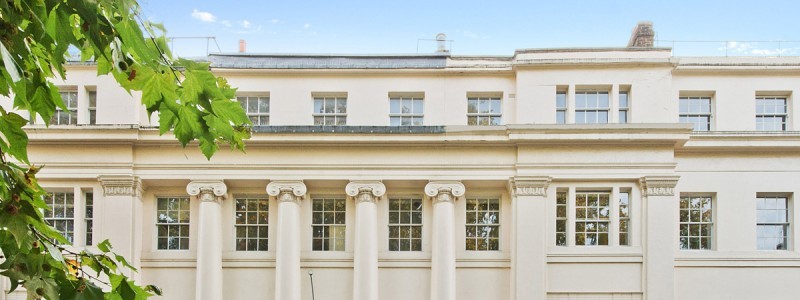
In the heart of London’s elegant Fitzroy Square, tucked away from the modern cacophony, lies a sanctuary where the echoes of the past still resonate with profound clarity. The Royal Society of Musicians of Great Britain is not merely an institution; it is a living testament to the enduring bond between musical genius and human compassion. Founded in 1738 as the Fund for Decay'd Musicians , this venerable organization was born from a collective impulse by some of history’s most formidable musical minds—including the legendary George Frideric Handel . It serves as a vital lifeline, weaving a rich tapestry of historical significance that transcends the mere display of objects, acting as a bridge between the golden age of orchestral mastery and the contemporary struggles of the modern performer.
To step into its orbit is to encounter a legacy where the elegance of classical tradition meets a profound commitment to the human element behind every note played. This philanthropic heartbeat gives the Society a soul that is rare among London’s cultural landmarks. For the art lover and the historian alike, the Society represents a cornerstone of the United Kingdom's intangible cultural heritage, maintaining a continuous thread of history that connects the era of Baroque masters to the professional musicians of the present day.
The Painted Echoes of Musical Legends
While many institutions focus on the static beauty of canvas and stone, the essence of this Society resides in its unique mission—a devotion to supporting musicians in times of need. Yet, within its walls, one finds a breathtaking visual repertoire that captures the very spirit of musicality. The collection serves as an exquisite array of portraits depicting the composers, performers, and patrons who shaped the landscape of European music from the 18th century onward. Here, the brushstrokes of notable artists capture the ephemeral beauty of melody, translating it into the permanence of oil and canvas.
For collectors and interior designers, the Society offers profound inspiration through themes of grace, resilience, and classical sophistication. The concept of "musicality" in design—the balance of rhythm, harmony, and texture—finds its spiritual home here. One can imagine the quiet dignity of its legacy reflected in a curated gallery or a stately drawing room, where the spirit of the Great British musical tradition serves as a silent, powerful conductor of atmosphere. The collection invites visitors to gaze upon the dignified gaze of legendary figures, finding deep emotional resonance in the subtle nuances of a performer’s expression captured forever in paint.
A Legacy of Royal Patronage and Care
The history of the Society is inextricably linked to the evolution of British musical life. Having received patronage from George III and later being incorporated by royal charter, the institution embodies the prestige of royal support intertwined with an intimate commitment to the artist. This sense of community care is what makes the Society a unique jewel in the crown of London’s institutions. It celebrates not just the music that was played, but the hands and hearts that made it possible.
The Society's enduring importance is reflected in its remarkable history of membership and support, which has included:
- George Frideric Handel , whose involvement helped found the original trust.
- Edward Purcell , the eldest son of Henry Purcell.
- Performers such as Liszt , who gave his first concert in England for the benefit of the society.
- Notable figures like Mendelssohn , Moscheles , and Clara Schumann .
In an era before the welfare state, membership of the Royal Society guaranteed a degree of financial security to professional musicians, a mission that continues today through its dedication to supporting musicians and their dependents in times of illness, disease, or old age.