A Sanctuary of Victorian Thought: Unveiling The Ruskin
Nestled within the
serene landscape of Lancaster University, The
Ruskin – Library, Museum and Research Centre stands as a remarkably singular testament to the enduring legacy of
John Ruskin, a figure whose influence permeated nineteenth-century art, social reform, and an increasingly prescient environmental consciousness. More than simply a repository of artifacts, The
Ruskin is a vibrant hub for scholarship, a place where
Ruskin’s multifaceted genius continues to inspire and challenge contemporary thought. Stepping into its thoughtfully designed building is akin to entering the mind itself – encountering his passions, anxieties, and unwavering commitment to beauty and
social justice, all meticulously preserved for future generations. It's a space that breathes with the spirit of an era, inviting contemplation on art’s profound connection to human experience and the world around us.
The Whitehouse Collection: A Window into Ruskin’s World
At the heart of The
Ruskin lies the extraordinary
Ruskin Whitehouse Collection, formed by John Howard Whitehouse – a devoted scholar and close friend of
Ruskin himself. This unparalleled archive encompasses over 8,000 manuscripts, including the extraordinarily intimate diaries spanning from 1835 to 1888, alongside a vast trove of letters, paintings, drawings, prints, photographs, and books. These aren’t merely objects; they are intensely personal portals into the Victorian era, offering unprecedented glimpses into
Ruskin's intellectual development, his artistic sensibilities – particularly his deep appreciation for color and texture – and his complex relationships with contemporaries like William Turner and
Charles Darwin. The collection is a rich tapestry of visual material, boasting 1,500 drawings meticulously rendered in
graphite and ink, alongside 500 prints capturing the beauty of landscapes and architectural details. A fascinating array of early photographs and daguerreotypes documents
Ruskin’s travels to Venice, the Alps, and the
English countryside – places that profoundly shaped his aesthetic theories and his evolving understanding of humanity's relationship with nature. The sheer breadth and depth of this collection allow for an exploration far beyond a simple chronological survey; it reveals the evolution of
Ruskin’s ideas in real-time, offering insights into the genesis of his revolutionary thinking.
Architecture & A Legacy Reimagined
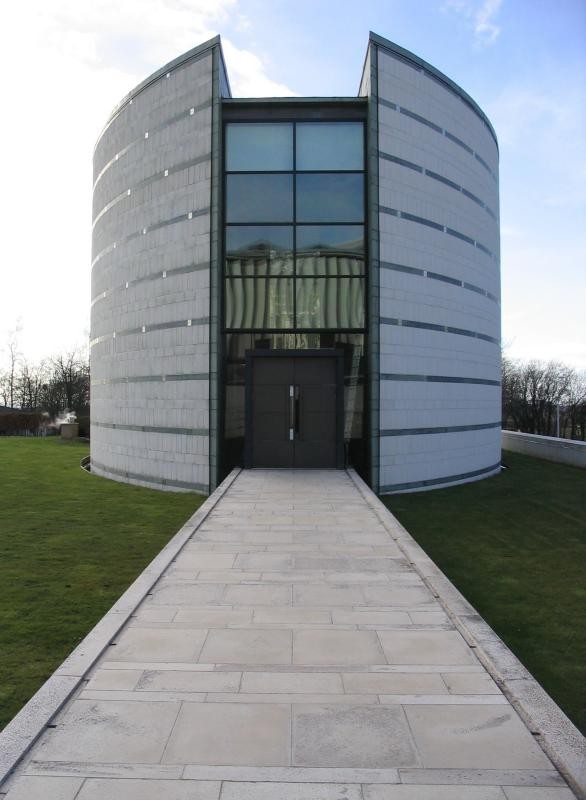
The building itself, designed by the esteemed Sir Richard MacCormac, is a harmonious blend of
modern design and historical sensitivity. Opened in 1998, it immediately garnered critical acclaim, winning several prestigious architectural awards for its innovative use of space and light – particularly the way natural illumination interacts with the carefully curated collection. The structure was conceived specifically to house the Whitehouse Collection, providing optimal conditions for preservation while fostering an atmosphere conducive to both focused study and
quiet contemplation. The interior spaces are deliberately designed to evoke
Ruskin’s own aesthetic sensibilities; warm wood tones, abundant
natural light, and a sense of spaciousness create an environment that mirrors the artist's belief in the importance of beauty and harmony. Currently undergoing refurbishment, The
Ruskin is temporarily extending its reach through exhibitions in London and the Lake District – a testament to its commitment to accessibility even during periods of transition, ensuring that
Ruskin’s ideas continue to resonate with a wider audience.
Beyond Art: Social Reform & Environmental Advocacy
What truly distinguishes The
Ruskin is its unwavering focus on the interconnectedness of art, society, and nature – themes that were central to
Ruskin's own life and work. He wasn’t merely an art critic; he was a passionate advocate for social reform, vehemently denouncing the exploitative practices of industrial capitalism and championing the rights of workers. His writings on environmentalism, predating modern ecological thought, reveal a profound understanding of humanity’s relationship with the natural world – a recognition that unchecked exploitation would inevitably lead to disaster. Recent exhibitions, such as “
John Ruskin in the Age of Science” and "The Skies are for All:
Ruskin and Climate Change," demonstrate how remarkably relevant his insights remain today, prompting us to reconsider our own values and responsibilities in an increasingly complex world. The
Ruskin isn’t simply a museum about the past; it is a vital resource for navigating the challenges of the present and shaping a more sustainable future.
A Unique Resource for Scholars & Enthusiasts
The
Ruskin serves as a crucial research center, attracting scholars from around the globe who delve into its archives to uncover new insights into
Ruskin’s life, work, and enduring influence. From art historians analyzing his theories on color to social scientists examining his critiques of industrial society, The
Ruskin provides an unparalleled environment for scholarly inquiry. However, it is equally welcoming to art enthusiasts, history buffs, and anyone curious about Victorian culture – a space designed to ignite curiosity and foster a deeper appreciation for the power of ideas. Whether you are an academic seeking primary source materials or simply someone drawn to the beauty of
Ruskin’s vision, The
Ruskin offers a unique and enriching experience—a reminder that art isn't created in a vacuum; it is deeply intertwined with social, political, and environmental forces.