

The History and Origins of San Marco
San Marco, also known as the San Marco Museum or St Marks Basilica, is a religious and civic site in Venice, Italy. The institution was established in 828 AD. Its origins are tied to the presence of the relics of Saint Mark the Evangelist, which were brought to the city from Alexandria. This foundation transformed the site into a central spiritual and political location for the Venetian Republic.
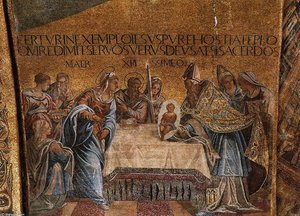
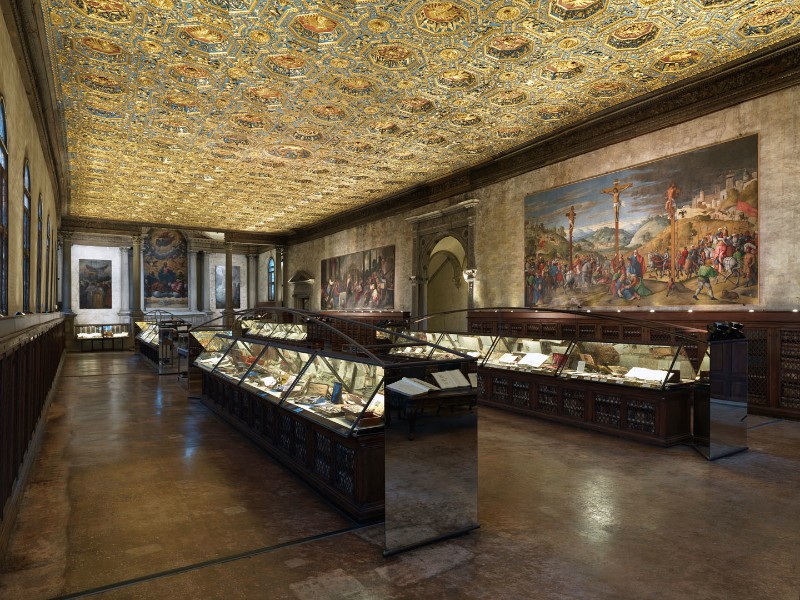
The site functions as both a church and a museum. The collection includes Byzantine mosaics and art from the Doge's Palace. These elements reflect the historical connections between Venice and the Byzantine Empire. The presence of these works within the basilica and the surrounding district marks the long-standing intersection of religious devotion and state authority in the region.
The Architecture of San Marco
The architectural landscape of San Marco is a deliberate composition of Byzantine grandeur, Gothic extravagance, and Renaissance refinement. This district functions as a religious and civic museum, where the built environment acts as a repository for centuries of Venetian history. The layout is a carefully orchestrated symphony of narrow, winding streets and grand canals that define the urban fabric. Within this space, history is present in the stone and the light, creating an atmosphere where the past remains tangible.
Dominating the skyline is St Mark’s Campanile, a bell tower that provides a vertical counterpoint to the horizontal expanse of the lagoon. Nearby, the Doge’s Palace exhibits the intricate details of Venetian Gothic style, its façade serving as a record of the city's political and social evolution. The structural variety extends to the Libreria Marciana, which exemplifies Renaissance elegance through its harmonious proportions and classical influence. Even the smaller facades contribute to the cohesion of the district, utilizing carefully proportioned windows and delicate balustrades to maintain a sense of order.
The Basilica di San Marco represents a significant departure from local traditions, utilizing a centrally planned Byzantine model. Its interior is defined by a vast scale and the presence of numerous mosaics that cover the surfaces. These elements, along with the various palazzi lining the canals, reflect the complex intersection of trade, power, and artistic patronage that shaped Venice. The architecture does not merely house art; it provides the essential context for the objects held within its walls.
Masterpieces of the San Marco Collection
The collection within San Marco is defined by its integration of religious devotion and civic identity. The gold mosaics and the Pala d'Oro Golden Altar represent the spiritual core of the site, reflecting the historical wealth and liturgical importance of the basilica. These elements exist alongside the Quadriga of St Mark, a bronze horseman sculpted in 1606 that remains a significant emblem of Venetian history.
Domenico Robusti is a central figure in the catalog, with two works held within the collection. Among these is Presentation of Christ in the Temple, dated about 1588. The presence of his work provides a direct link to the late sixteenth-century artistic traditions of the region.