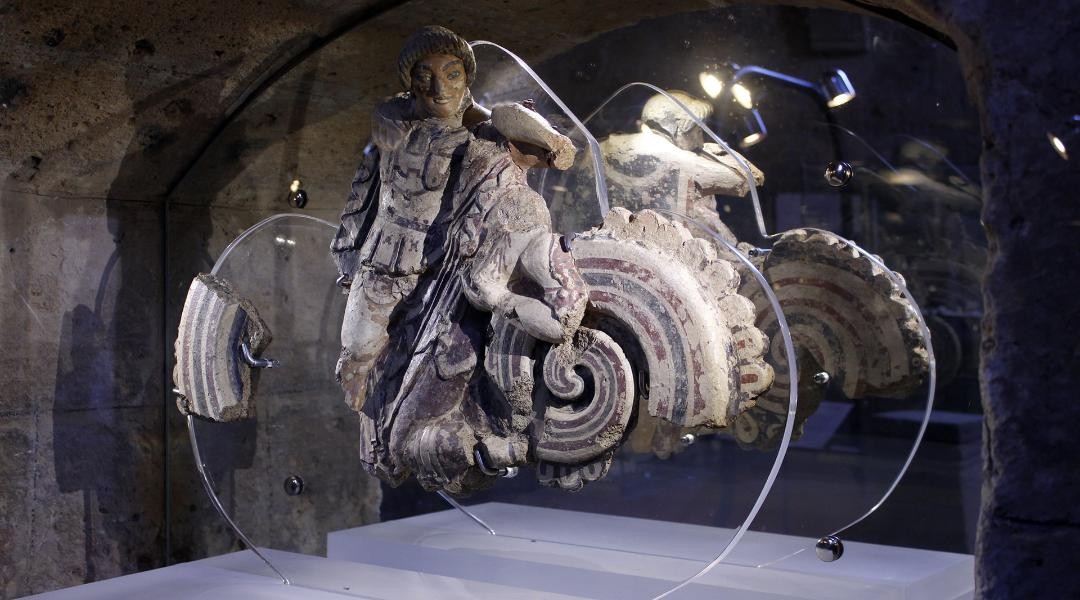
San Martino dei ServiOrvieto, Italy

Quick Facts

  • Historical periods: high medieval
  • Movements: italo-byzantine
  • Alternate names:
    • San Martino dei Servi
    • San Martino
    • San Martino dei Servi Convent and Church
  • Works on APS: 1
  • More…
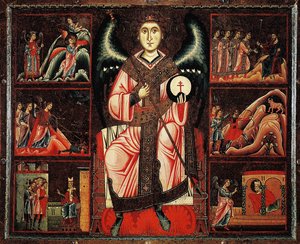
  • Featured artists: Coppo di Marcovaldo
  • Location: Orvieto, Italy
  • Mediums: tempera

A Sanctuary of Devotion: The Timeless Spirit of San Martino dei Servi

In the heart of Orvieto, where the golden light of Umbria dances across ancient stone, lies San Martino dei Servi—a sanctuary that transcends its physical walls to offer a profound encounter with medieval piety. To step into this sacred space is to leave the modern world behind and enter a living chronicle of the Servi Order’s enduring legacy. Founded in 1304 by the visionary Saint Juliana Falconieri, this complex was conceived not merely as a place of worship, but as a beacon of compassion designed to alleviate human suffering. The architecture itself whispers stories of the 14th century, with its soaring Gothic arches and sturdy, venerable walls that have stood sentinel over Orvieto for seven centuries. As light filters through stained glass windows, it bathes the interior in an ethereal glow, creating an atmosphere where the boundary between the earthly and the divine feels beautifully thin.

The Narrative of Faith: Masterpieces in Fresco and Gold

The true soul of San Martino dei Servi resides within its breathtaking collection of 14th-century frescoes, which transform the church walls into a vibrant, panoramic narrative of faith. These masterworks are far more than mere decoration; they are windows into a lost era of symbolic richness and meticulous artistry. Each brushstroke in these religious murals captures the essence of the International Gothic style, depicting biblical scenes and the lives of saints with a level of detail that invites deep contemplation. For the art lover or collector, these frescoes represent a pinnacle of Umbrian artistic prowess, where every pigment and composition serves to illuminate the spiritual journey of the faithful. Complementing these monumental works is a curated assemblage of liturgical treasures—exquisite chalices, ornate candlesticks, and delicate altar cloths—each an artifact of centuries of prayer, reflecting the profound devotion that has animated this space since its inception.

A Living Dialogue: History, Scholarship, and Design

Beyond its permanent treasures, San Martino dei Servi serves as a vital intellectual crossroads, frequently hosting exhibitions that bridge the gap between local tradition and broader European movements. Recent scholarly displays have illuminated the intricate connections between medieval Umbrian art and the evolving trends of the Gothic era, offering profound insights into how local masters were influenced by the wider artistic currents of Europe. Such exhibitions often delve into the life of Saint Juliana Falconieri, weaving a tapestry of historical research and emotional storytelling that celebrates her impact on the Order’s ethos of selfless service. This commitment to public engagement ensures that the museum remains a dynamic participant in the ongoing dialogue of art history.

An Immersive Aesthetic Experience

What distinguishes San Martino dei Servi from other historic sites is its remarkable state of preservation, offering a rare and immersive opportunity to experience monastic life as it truly unfolded in the 1300s. For the interior designer seeking inspiration in historical textures or the traveler yearning for a pilgrimage of the senses, the museum provides an unparalleled aesthetic experience. It is a place where architectural grandeur meets spiritual intimacy, creating a harmonious blend that captivates the heart. To visit San Martino dei Servi is to embark on a journey through time, discovering a world where art, history, and faith are inextricably entwined in a beautiful, enduring testament to the human spirit.

Art Quiz

There is only one correct answer for each question.

Question 1:
What is the primary focus of San Martino dei Servi?
Question 2:
Saint Juliana Falconieri founded which order associated with San Martino dei Servi?
Question 3:
What artistic style characterizes the frescoes found within San Martino dei Servi?
Question 4:
Who is Blessed Tommaso, and why is he prominently featured in the museum’s exhibits?
Question 5:
Why is San Martino dei Servi considered a unique example of medieval art?
© 2026 mus3ums.com