

A Symphony in Stone: The Soul of San Vidal
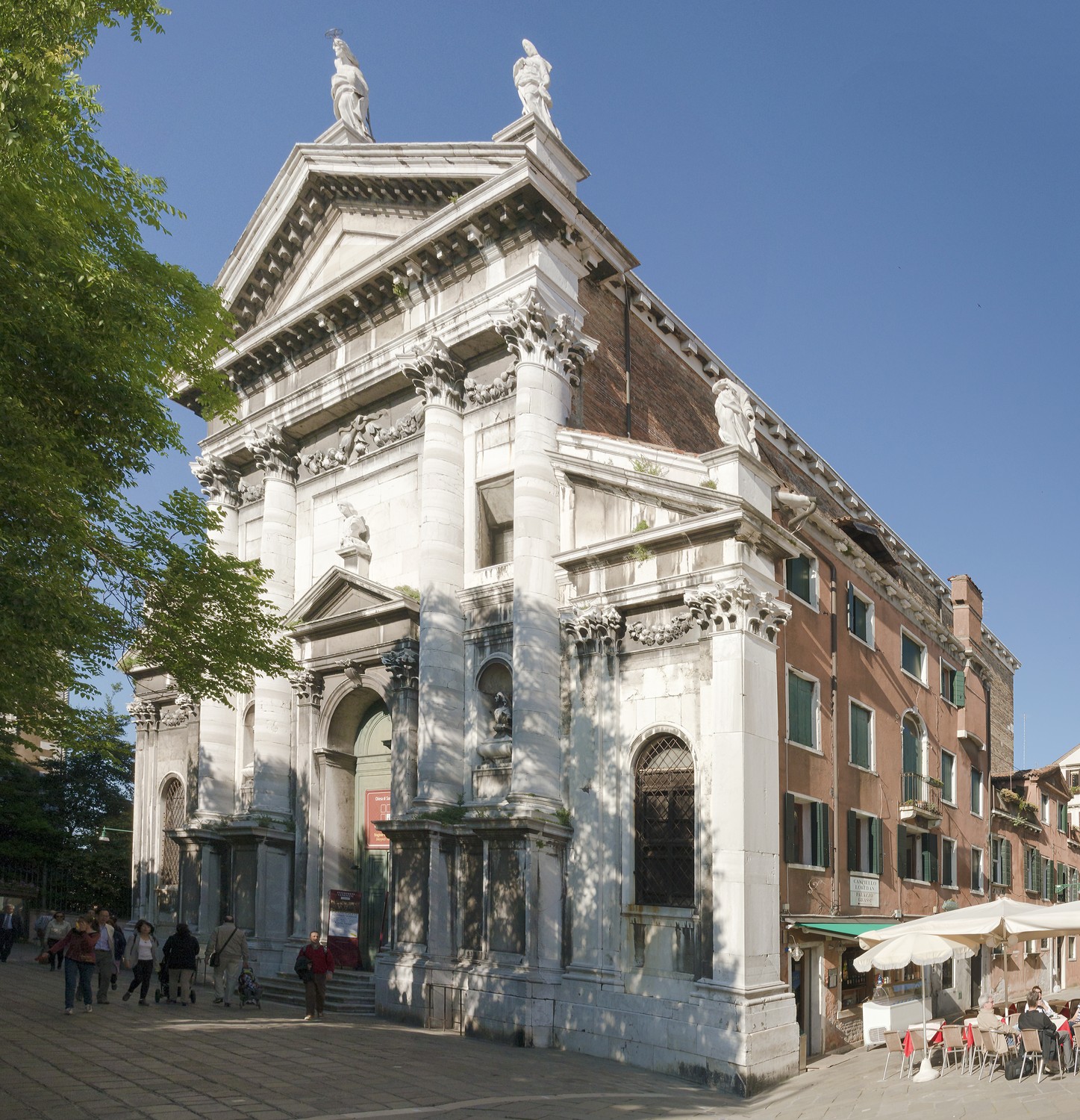
In the labyrinthine heart of Venice, where the salt air meets the echoes of ancient footsteps, lies the Church of San Vidal—a sanctuary that transcends the boundaries of a mere religious edifice to become a living chronicle of Venetian splendor. To step across its threshold is to enter a space where history does not merely reside in books but whispers through stained glass and resonates within the very marrow of its architecture. Originally erected in the 11th century, San Vidal has undergone a magnificent metamorphosis through the ages, absorbing the stylistic currents of Byzantine elegance and Renaissance grandeur. The interior presents a breathtaking spectacle of soaring ceilings adorned with frescoes that transport the observer to a medieval dreamscape, while the meticulously crafted marble floors serve as a silent testament to the immense wealth and prestige of the Doge’s court. It is a place where the architectural evolution of Venice is tangibly felt, shaped significantly by the vision of figures such as Doge Morosini, whose patronage solidified this site as a cornerstone of civic pride.
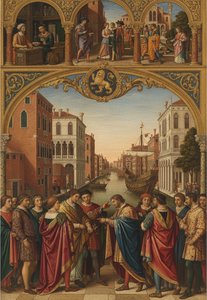
The artistic zenith of San Vidal is perhaps most poignantly realized in the presence of Giovanni Battista Carpaccio’s 1495 masterpiece, Saint Vitale . This monumental painting stands as a triumph of Venetian Renaissance artistry, captivating the eye with its vibrant color palettes and an almost supernatural level of detail. In this work, Carpaccio masterfully embodies the humanist ideals of his era, presenting the Virgin Mary and Child with a grace that reflects the burgeoning intellectual fervor of 15th-century Venice. The painting acts as a luminous focal point within the church, offering a striking contrast to the solemn grandeur of the surrounding architecture. This dialogue between light and shadow, between the divine subject and the earthly medium, is perfectly complemented by the presence of the Bazzini organ. Constructed in 1740, this historic instrument remains one of the finest examples of Baroque craftsmanship, its pipes crafted from local materials to produce a tonal range that continues to honor the artisanal traditions of Venice.
The Auditory Legacy and Musical Treasures
Beyond its structural majesty, San Vidal serves as a profound vessel for the auditory soul of Italy through the Museo della Musica . This collection offers an immersive journey into the captivating world of Venetian musical tradition, tracing a lineage that has shaped European composition for centuries. Within these walls, one encounters an impressive array of instruments that bridge the gap between the past and the present; delicate harps and meticulously preserved harpsichords stand in dialogue with imposing organs. The experience is further enriched by the Artemio Versari Collection , a private treasure trove that provides an intimate glimpse into the Baroque period.
For those seeking to touch the very fabric of Venice’s musical milieu, the collection offers:
- Rare musical manuscripts that whisper the secrets of long-lost compositions.
- Evocative portraits of legendary composers that bring the history of sound to life.
- Exquisite decorative objects that reflect the refined aesthetic of a bygone era.
For the art lover, the collector, or the designer seeking inspiration, San Vidal offers more than a visit; it offers an encounter with the eternal, where the intersection of sound and history creates an unforgettable sensory experience.