

A Window Into Santa Monica’s Soul
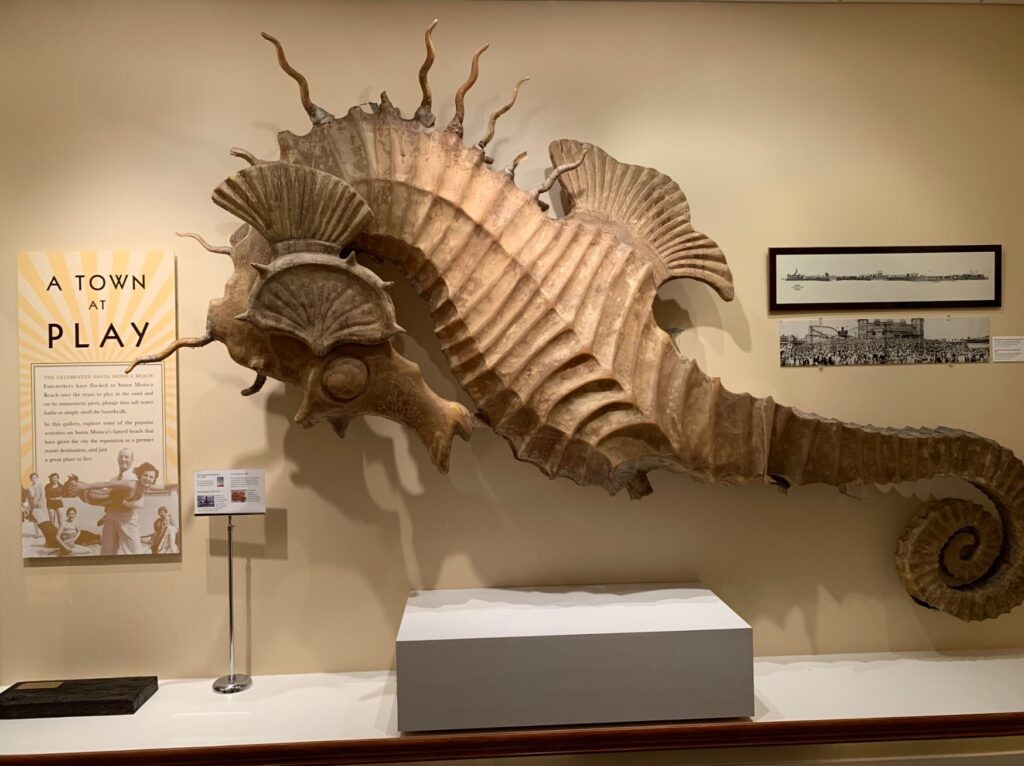
The Santa Monica History Museum stands as a singular testament to the evolution of this iconic Californian city—a place where indigenous traditions intertwine with cinematic grandeur and artistic expression captures the essence of its unique character. Unlike sprawling regional institutions, this museum prioritizes a deeply localized narrative, fostering pride in Santa Monica’s heritage and inviting visitors on an immersive journey through time. Its unassuming exterior belies the wealth of stories held within its walls, making it a haven for art enthusiasts seeking inspiration and collectors eager to acquire pieces that resonate with California's past. To step inside is to enter a curated dialogue between the natural landscape and the human hand, where every artifact and image serves as a brushstroke in the larger portrait of the Santa Monica Bay area.
Artistic Reflections of Coastal California
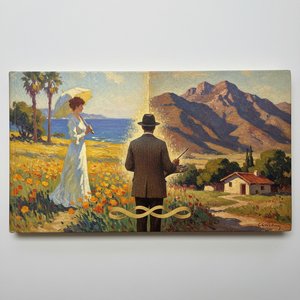
Recognizing the profound connection between history and artistic interpretation, the museum’s curators have meticulously assembled a collection showcasing diverse styles and mediums reflecting Santa Monica’s multifaceted identity. The galleries offer a breathtaking spectrum of visual storytelling, ranging from the photographic to the impressionistic. Visitors may find themselves captivated by:
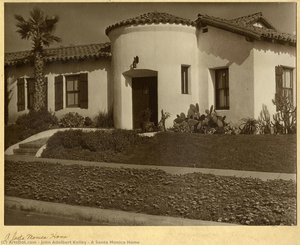
- A Santa Monica Home by John Adell Kelley (1920), a serene black & white photograph capturing the architectural beauty of Comicranga village—a visual chronicle of Santa Monica's formative years.
- The Whale at the Museum of Natural History by Jean Victor Adam, which exemplifies the fascination with scientific exploration prevalent during the early 20th century, utilizing geometric shapes and dynamic compositions to convey a sense of wonder.
- Beach Scene, Santa Monica (1922) by Mary Agnes Yerkes, an Impressionist painting that transports viewers back to a tranquil coastal moment through delicate, rhythmic brushstrokes.
- The contemporary, bold statements of Chester Arnold , whose postmodern paintings are inspired by fossils and blend natural world themes with the human condition.
This collection serves as a bridge between eras, allowing the viewer to witness the transition from the early twentieth-century urban life captured in works like A Busy Corner in Santa Monica to the modern identity of Southern California.
Architectural Harmony and Local Legacy
The museum itself embodies Santa Monica’s architectural heritage, constructed in a style that complements the city's coastal landscape. Its design reflects the spirit of its founding era—1875—prioritizing functionality and openness to maximize natural light and create an inviting space for exploration. Visitors can appreciate how the building’s structure mirrors the growth trajectory of Santa Monica itself: initially modest, it expanded as the railroad arrived and tourism blossomed, mirroring the city's dynamic transformation throughout the decades. This architectural harmony provides a serene backdrop for the museum's ongoing exhibitions, which delve into pivotal moments in the local narrative—from the influence of Rancho San Vicente y Santa Mónica on regional development to the rise of Hollywood and its profound impact on local culture.
A Catalyst for Ongoing Dialogue
What distinguishes the Santa Monica History Museum is its unwavering commitment to preserving and disseminating Santa Monica’s distinctive story—a narrative untouched by broader regional biases. Recent initiatives have focused on showcasing contemporary interpretations of history, demonstrating that storytelling transcends time periods. The museum serves as a vital space for exploring intricate connections through exhibitions such as:
- Roots & Branches , an examination of the intricate connections between trees and urban development.
- Food and Family , a journey tracing the evolution of intercultural food traditions in Southern California.
Whether one is exploring the deep roots of the Tongva people or the modern cultural shifts of the present day, the museum stands as a beacon for those seeking an authentic understanding of California's cultural heritage, inviting exploration and fostering appreciation for the artistic expressions that illuminate this captivating coastal city.