

A Sacred Encounter in Saronno
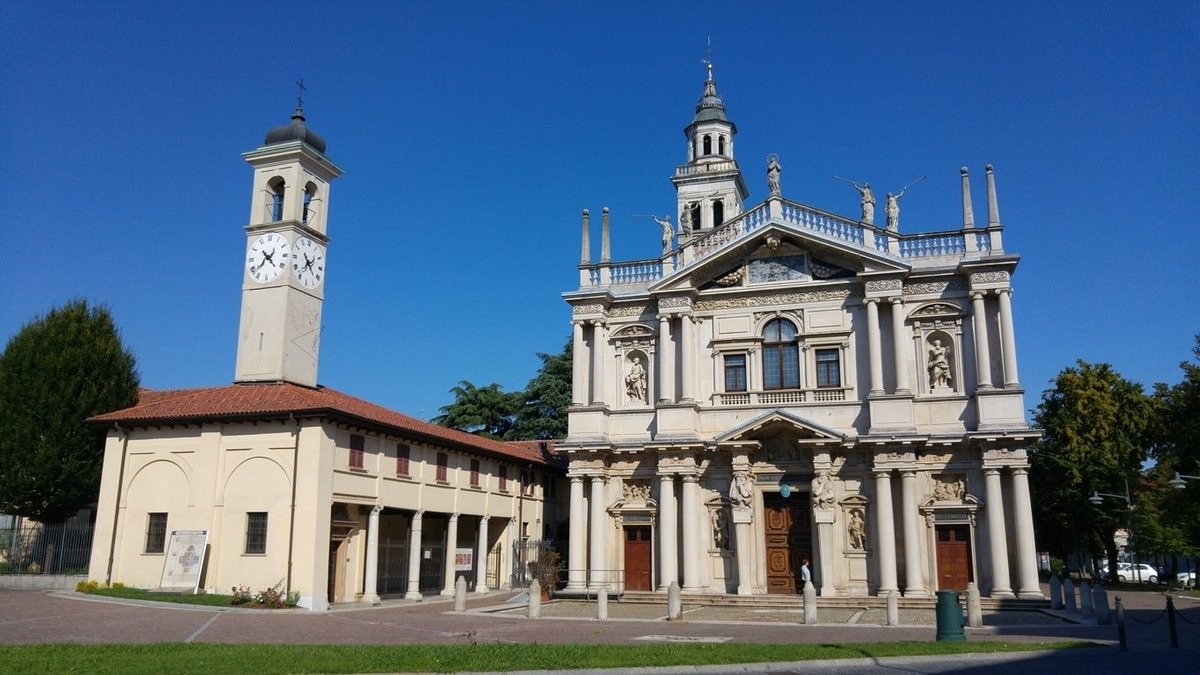
In the heart of Lombardy, where the sweet aroma of apricot kernel biscuits lingers in the streets of Saronno, lies a sanctuary that transcends the earthly realm. The Santuario Madonna dei Miracoli is not merely a monument of stone and mortar; it is a living chronicle of devotion, born from a moment of profound transcendence in 1555. It was here, amidst the quietude of the Italian landscape, that three children witnessed the miraculous apparition of the Virgin Mary, an event that transformed this site into a beacon for pilgrims and an enduring sanctuary for the faithful. This sacred space serves as a bridge between the temporal and the eternal, inviting every visitor to step into a narrative where history and divinity are inextricably entwined.Architectural Ambition and Renaissance Light
To enter the basilica is to be greeted by the soaring majesty of the Renaissance spirit. The architectural centerpiece, an octagonal drum dome conceived by Giovanni Battista Cortese and completed in 1568, stands as a triumph of engineering and aesthetic grace. This structure does more than enclose space; it directs the eye upward, embodying the very aspirations of the era. As light filters through the heights of the sanctuary, it illuminates a complex tapestry of artistic layers added over centuries. The interplay of shadow and brilliance within this architectural marvel creates an atmosphere of contemplative awe, where the physical weight of the stone seems to dissolve into the ethereal glow of the heavens. For the interior designer or art lover, the sanctuary offers a masterclass in how structure can dictate emotion, using scale and light to foster a sense of profound reverence.The Masterpieces of Lombardy
The interior walls of the sanctuary breathe with the artistry of the Lombard Renaissance, acting as a canvas for some of the period's most luminous masters. In the upper chapel, the monumental frescoes of Bernardino Luini command attention; his masterful use of chiaroscuro —the delicate interplay between light and shadow—creates an almost palpable depth, where the soft light playing upon the Virgin Mary and Child evokes a sense of profound serenity and divine grace.Below, the vibrant narratives of Gaudenzio Ferrari unfold in the lower chapels, his dynamic compositions and vivid storytelling pulling the viewer into the heart of biblical drama through color and movement. Yet, the spiritual anchor of the entire complex remains the original 1475 fresco by Gregorio de Zavattari . This delicate depiction of Mary and Child, encased in protective glass, serves as the historical and emotional nucleus of the sanctuary, reminding all who visit of the miraculous event that first ignited this pilgrimage of art and faith. To walk through these chapels is to witness a continuous dialogue between generations of artists, each leaving a mark of beauty upon this hallowed ground.