
A Sanctuary of Color: The Soul of Expressionism
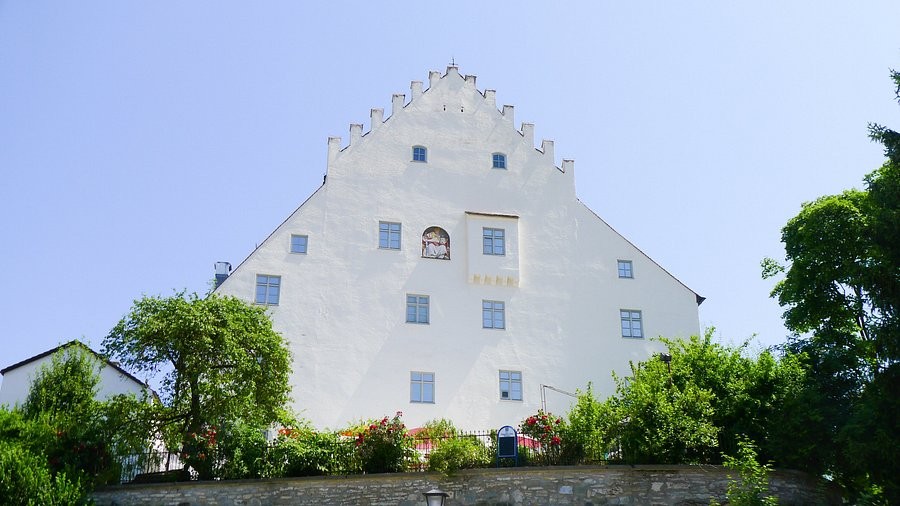
Nestled within the tranquil embrace of the Bavarian landscape, where the shimmering waters of the Staffelsee meet the verdant expanse of the Murnau Moor, lies a sanctuary for the avant-garde spirit. The Schlossmuseum Murnau is far more than a mere repository of canvas and pigment; it is a living testament to a revolutionary moment in art history when the boundaries of reality began to dissolve into pure emotion. Housed within a historic castle that whispers tales of medieval strength and royal Bavarian heritage, the museum serves as a bridge between the rugged permanence of the Alps and the ephemeral, vibrant dreams of the Der Blaue Reiter movement.
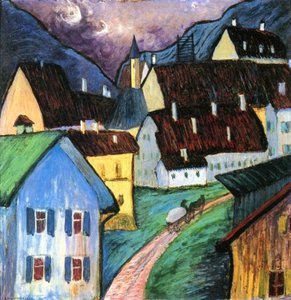
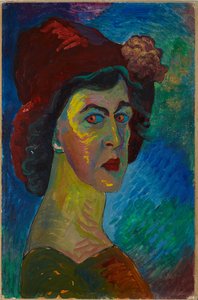
To step through its doors is to enter a world where color is not merely descriptive but deeply spiritual, inviting collectors and aesthetes alike to rediscover the transformative power of light and form. The heart of the museum beats with the legacy of the "Blue Rider" artists, a group whose radical experiments in 1908 redefined the trajectory of European modernism. Visitors are drawn into an intimate dialogue with the masters of abstraction, most notably Gabriele Münter and Wassily Kandinsky . The collection celebrates their profound connection to this specific Bavarian topography, showcasing how the undulating hills and the unique "blue light" of the region acted as a catalyst for their artistic breakthroughs.
Masterpieces of the Blue Rider Legacy
The museum’s collection offers an unparalleled journey through the evolution of modern art, tracing the path from grounded, rhythmic landscapes to soaring, geometric abstractions. One can witness the transition from the charming, folk-inspired influences of Bavarian reverse glass painting to the profound spiritual depth found in the works of the Neue Künstlervereinigung München . The presence of other luminaries creates a dense, textured tapestry of Expressionist thought, where every brushstroke seeks to capture an inner truth rather than an external likeness.
Key elements of the collection include:
- The Works of Gabriele Münter: As the museum holds the largest publicly displayed collection of her work, visitors can explore over 70 pieces encompassing paintings, drawings, and graphics that establish her as an icon of Expressionism.
- The Blue Rider Circle: A profound exploration of the interconnected styles of Alexej von Jawlensky , Marianne von Werefkin , and Wassily Kandinsky .
- The Blue Rider Collection: A high-calibre permanent loan from the KK Foundation Murnau, titled "The Blue Rider - A Homage," which supplements the permanent Expressionist holdings.
- Literary Echoes: A unique dedication to the life and work of the playwright Ödön von Horváth , whose narratives captured the social anxieties of the era.
A Multidimensional Cultural Experience
Beyond the vibrant canvases, the Schlossmuseum offers a multidimensional experience that appeals to the sophisticated eye of the interior designer and the historian alike. The museum’s architecture provides a sublime backdrop; the sturdy, contemplative walls of the castle offer a sense of permanence that contrasts beautifully with the fluid, emotive nature of the art within. This duality is further enriched by the museum's dedication to the cultural history of the region, where the "Wunderkammer" and the local traditions coalesce.
For those seeking to immerse themselves fully in the spirit of the "Blue Land," the museum serves as a gateway to the surrounding landscape. The connection between the art and the environment is palpable, from the industrial history of rock extraction to the preservation of the Murnau Moor. Whether wandering through the historic halls or reflecting in the museum’s café amidst Bavarian specialties, one finds that the Schlossmuseum Murnau is not just a destination for viewing art, but an immersive environment where history, nature, and creativity become a singular, unforgettable journey.