
A Sanctuary of Art and Healing: The Living Legacy of Santa Maria della Scala
In the beating heart of Siena, where the shadows of medieval towers stretch across ancient cobblestones, lies a monument that transcends the traditional boundaries of a museum. Spedale di Santa Maria della Scala is not merely a repository for fine art; it is a profound chronicle of human compassion, an architectural tapestry woven from centuries of care, faith, and artistic brilliance. As one of Europe's oldest hospitals, this venerable institution stands as a sanctuary that once offered refuge to pilgrims, the abandoned, and the infirm. To walk through its halls is to embark on an immersive journey where the echoes of historical healing intertwende with the masterful brushstrokes of Renaissance masters, creating an atmosphere that feels less like a gallery and more like a living, breathing testament to the enduring spirit of humanity.
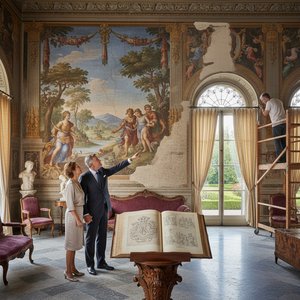
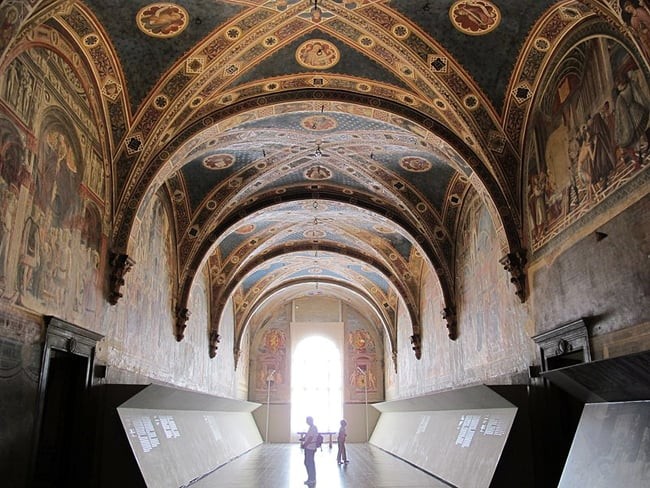
The very architecture of the complex narrates a captivating story of organic evolution and spiritual ascent. Its name, meaning "Saint Mary of the Staircase," poignantly alludes to its position near the steps leading toward the Siena Cathedral, symbolizing a physical and metaphorical climb toward both bodily and spiritual restoration. The building itself is a magnificent patchwork quilt of historical eras, where Romanesque foundations meet the grander, more ornate embellishments of the Renaissance. Visitors find themselves wandering through a labyrinth of evocative spaces, from sun-drenched courtyards adorned with intricate carvings to the suggestive, vaulted passageways that once served as the main arteries of hospital life.
Masterpieces Etched in Stone and Pigment
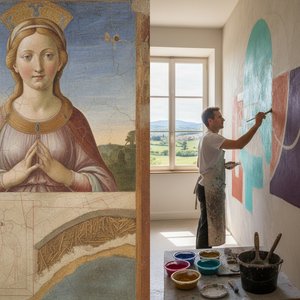
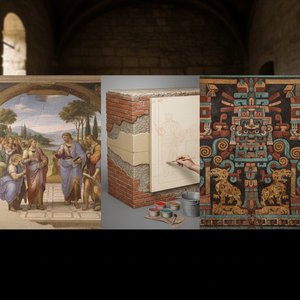
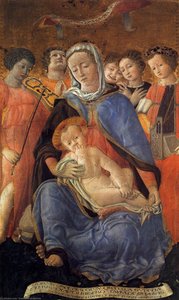
The collection held within these sacred walls is nothing short of extraordinary, offering a window into the soul of Tuscan history. The most treasured possessions are its magnificent medieval frescoes, which provide a vivid panorama of Sienese life and piety. These artworks, rendered in pigments derived from precious minerals like ochre and lapis lazuli, showcase a remarkable technical skill that bridges the gap between the Middle Ages and the dawn of the Renaissance. A particular highlight is the work of Francesco Vecchietta , whose masterful compositions—such as his portrayal of Saint Francis receiving St Dominic—embody the profound spiritual currents of the era.
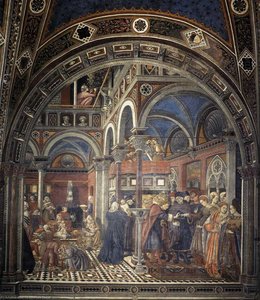
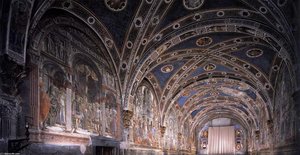
One cannot help but be moved by the Pellegrinaio , or Pilgrim's Hall, a space designed around 1325 to house travelers. Today, its walls serve as a breathtaking canvas for vibrant frescoes that depict the hospital’s charitable works alongside powerful religious narratives. These are not merely decorative elements; they are visual sermons, intended to inspire faith and gratitude in those who once sought aid within its embrace. As one moves deeper into the collection, the influence of humanist ideals becomes palpable through Renaissance canvases characterized by meticulous detail, balanced perspectives, and a harmonious color palette that reflects the noble patronage of Siena’s wealthiest citizens.
A Dynamic Cultural Beacon
Beyond its permanent treasures, Spedale di Santa Maria della Scala continues to serve as a vital cultural hub, hosting prestigious exhibitions that bring masterpieces from across Europe into dialogue with its historic setting. This commitment to fostering contemporary perspectives alongside historical preservation ensures that the complex remains a dynamic force in the art world. For the art lover, the collector, or the designer seeking inspiration, the complex offers an unparalleled sensory experience—a place where the scientific curiosity of anatomical studies meets the ethereal beauty of sacred art. It remains a beacon of cultural heritage, reminding us that the most profound art is often born from the deepest human needs for connection, solace, and care.