

A Sanctuary of Sacred Splendor: The Soul of SS. Martino and Vittorio
In the labyrinthine heart of Bologna, where the ancient streets whisper tales of medieval scholars and Renaissance masters, stands the Basilica of SS. Martino and Vittorio. This is not merely a monument of brick and limestone; it is a living tapestry of Italian devotion, a place where the heavy shadows of Gothic architecture meet the luminous clarity of Humanist thought. To step across its threshold is to leave the bustling modern city behind and enter a realm where time slows, suspended between the earthly weight of its 13th-century foundations and the celestial aspirations of its soaring vaults. Originally established as a Benedictine monastery before evolving into a Carmelite sanctuary, the complex serves as a profound testament to the shifting spiritual and cultural tides that have shaped Bologna for centuries.
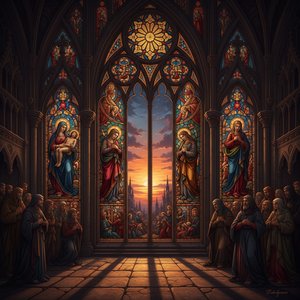
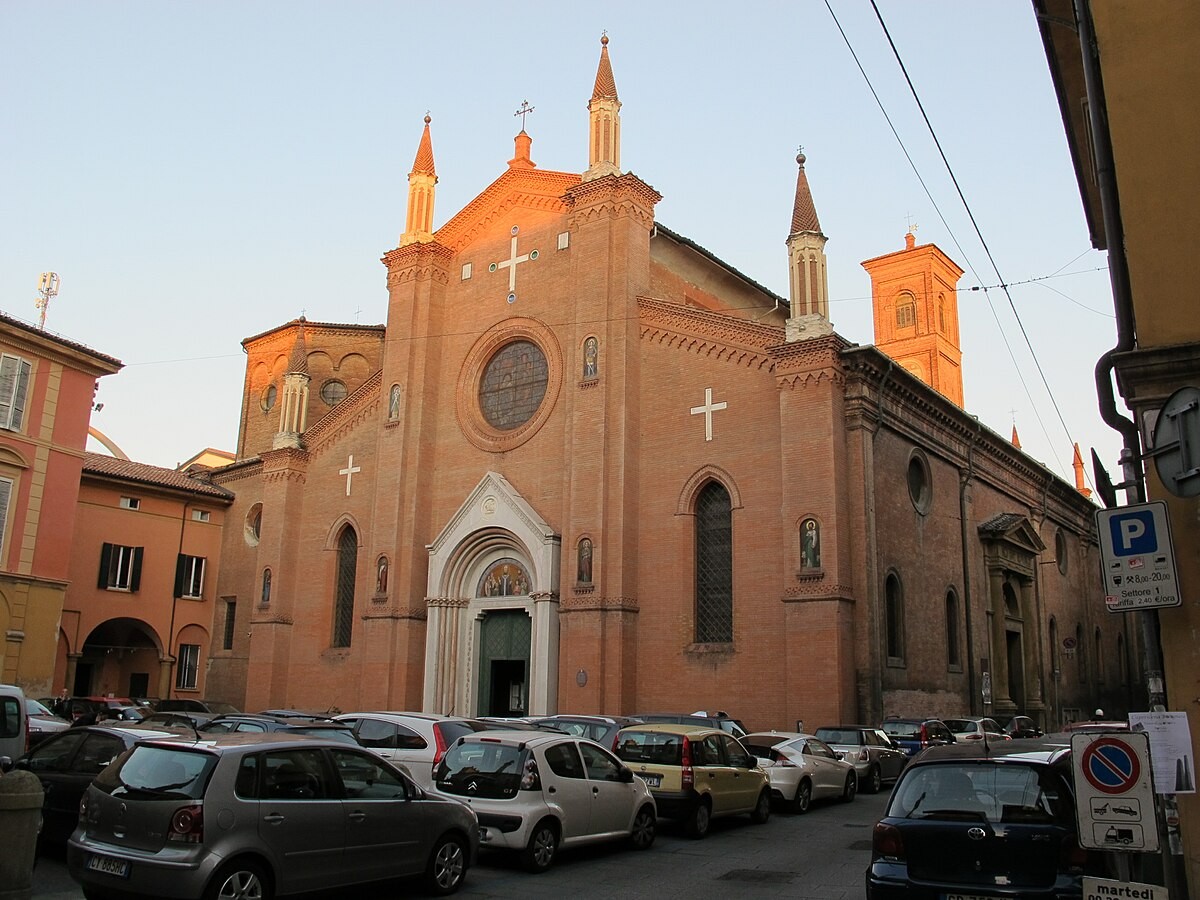
The architecture itself tells a story of layered history, a seamless dialogue between different eras of artistic intent. While the church’s bones are rooted in the formidable Gothic style—evident in its commanding nave and the intricate brick tracery vaults added in the mid-15th century—there is an undeniable infusion of Renaissance grace that softens its medieval strength. The facade, though a later 19th-century addition, maintains a dignified Gothic presence, adorned with statues of saints that watch over the piazza like silent sentinels. This architectural fusion creates an atmosphere of profound depth, where the play of light through stained glass and the rhythmic patterns of the ceiling invite a sense of quiet awe.
A Masterclass in Renaissance Technique
For the connoisseur of fine art, the treasures housed within these walls offer a breathtaking journey through the evolution of Italian technique. The collection is a masterclass in perspective and symbolic narrative, offering works that bridge the gap between the sacred and the mathematical. In the chapel dedicated to Saint Mary Magdalene, one encounters Paolo Uccello’s Annunciation , a work that stands as a monumental achievement of the Early Renaissance, showcasing the groundbreaking use of mathematical precision to create depth on a flat surface.
The spiritual narrative continues through various artistic mediums found within the sanctuary:
- Lorenzo Costa’s Altarpiece: An emotive depiction of Saint Martin dividing his cloak for a beggar, rendered with a masterful draughtsmanship that breathes life into the sacred scene.
- Frescoes by Vitale da Bologna and Francesco Manzini: Meticulous details and rich color palettes that transform the church walls into a celestial storyboard.
- Sculptural Elegance: The presence of works such as Andrea Ferreri’s 1705 sculpture in the piazza, which complements the interior's spiritual gravity.
A Living Cultural Forum
What truly distinguishes SS. Martino and Vittorio is its ability to function as both a historical reliquary and a vibrant cultural forum. It is a space where the past is never static; through curated exhibitions that bridge the gap between Bolognese heritage and contemporary artistic interpretations, the basilica remains a breathing entity. For the interior designer or the collector of fine aesthetics, the church offers an unparalleled study in how art can define a space, turning a structural enclosure into an immersive emotional experience. Whether drawn by its elevation to a basilica by Pope Pius XII or the delicate beauty of its Renaissance infusions, the complex remains a sanctuary of inspiration, offering a rare glimpse into the enduring brilliance of the Italian spirit.