
A Jewel of Mecklenburg: The Soul of Schwerin
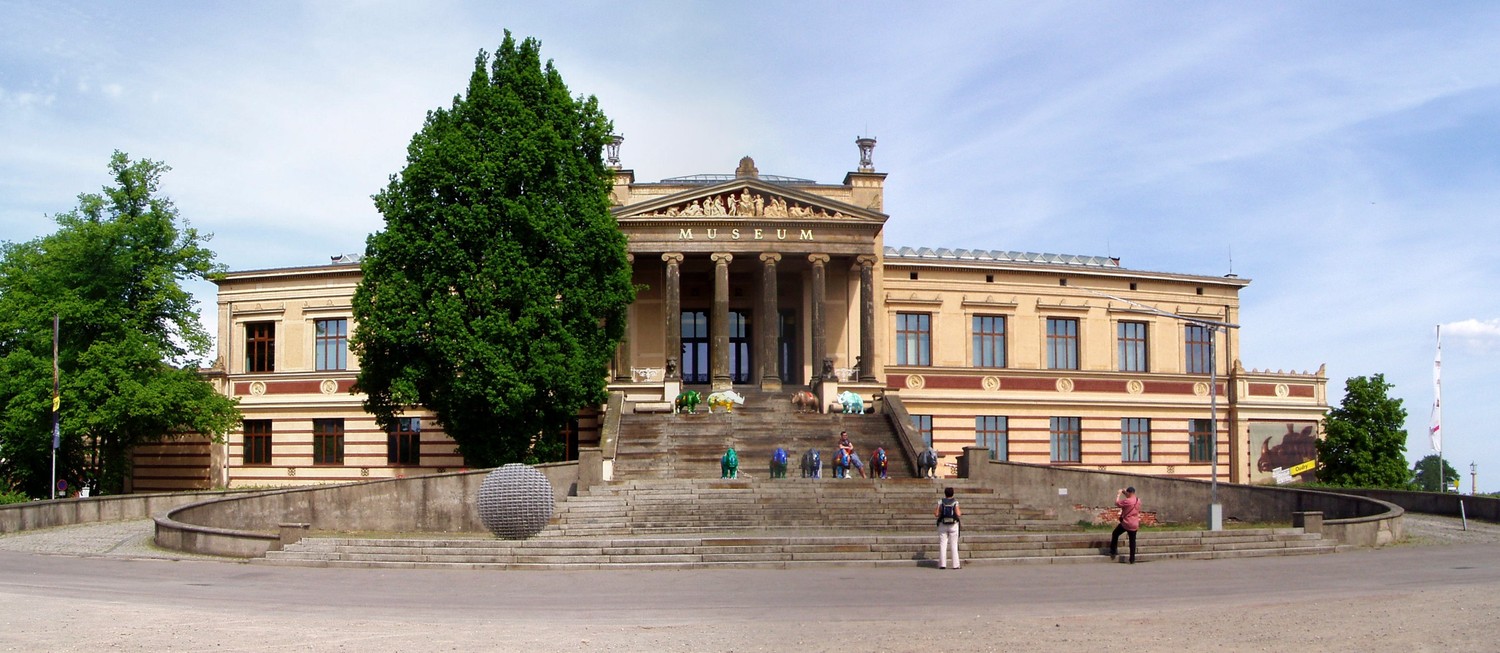
Nestled beside the fairytale silhouette of Schwerin Castle, on the shores of the shimmering Schweriner See, lies the Staatliches Museum Schwerin —a cultural beacon that whispers tales of centuries past. This institution is far more than a mere repository of art; it is a living chronicle of regional history and artistic evolution. The museum’s very foundations are steeped in legacy, born from a profound desire to showcase the cultural wealth accumulated by the ruling house of Mecklenburg. Its architectural presence is itself a harmonious blend of classical historicism, mirroring the grandeur of its surroundings and inviting visitors into a world where artistry and history intertwine seamlessly.
To wander through its halls is to embark on a journey through time, where medieval devotion meets the radical provocations of the modern era. The museum is particularly celebrated for its exceptional collection of medieval art, a testament to the region's religious and artistic fervor. Central to this spiritual narrative is the breathtaking Neustädt Altarpiece , a masterpiece of devotional artistry that draws scholars and admirers from across the globe. Its intricate details—golden leaf painstakingly applied and vibrant hues achieved through meticulous pigment grinding—offer a poignant glimpse into the spiritual beliefs of the Middle Ages.
From Golden Age Masters to Avant-Garde Revolutions
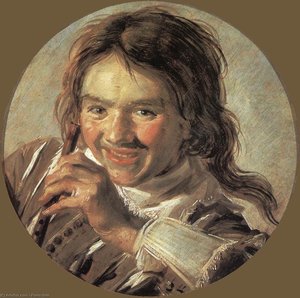
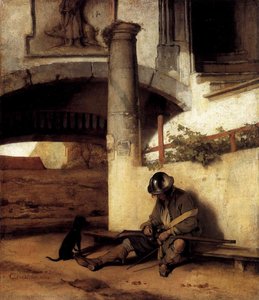
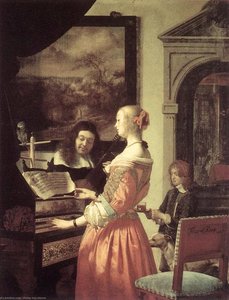
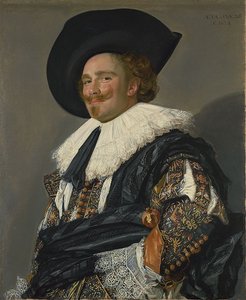
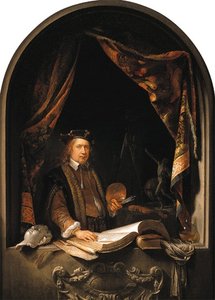
This sense of mastery extends into the 17th century, where the museum showcases an impressive assemblage of Dutch and Flemish paintings. Within these galleries, the works of masters such as Rubens, Rembrandt, Jan Brueghel the Elder, and Frans Hals present a captivating window into the Golden Age, utilizing dramatic chiaroscuro and masterful composition to capture the very essence of aristocratic life. For the collector or designer, these works provide an unparalleled study in light, shadow, and the profound textures of historical grandeur.
Yet, the Staatliches Museum Schwerin does not merely dwell in the past; it boldly embraces the avant-garde. It holds one of the most significant collections of works by Marcel Duchamp in Europe, boasting over ninety pieces that include sculptures, drawings, and prints. This collection serves as a revolutionary testament to Duchamp's impact on 20th-century art, moving from his iconic readymades—where humble objects are transformed through conceptual intervention—to his intricate assemblages. This commitment to challenging artistic conventions ensures that the museum remains an intellectual powerhouse.
Refinement in Porcelain and Decorative Arts
The museum’s splendor is further enriched by its dedication to the delicate beauty of decorative arts, offering a profound inspiration for those with an eye for refinement. The extensive collection of Fürstenberg porcelain serves as a highlight, showcasing exquisite floral motifs rendered in soft pastel shades that once symbolized high status within Mecklenburg’s aristocratic circles. The meticulous glazing process characteristic of Fürstenberg production demonstrates a dedication to precision that resonates throughout the museum’s diverse holdings.
Complementing these treasures is the Galerie Alte - Neue Meister , which houses Baroque ivory carvings and contemporary works by artists like Uecker. Whether exploring the historicist halls or engaging with rotating special exhibitions, visitors find themselves immersed in a vibrant center of artistic appreciation where every object tells a story of craftsmanship and cultural identity.