

A Sanctuary of Script and Soul
In the heart of Göttingen, where the echoes of Enlightenment thinkers still seem to linger in the cobblestone streets, stands the Niedersächsische Staats- und Universitätsbibliothek Göttingen . It is far more than a mere repository for academic texts; it is a living, breathing monument to the human thirst for knowledge and the profound beauty found in the written word. To step into its halls is to enter a dialogue with history, where the weight of centuries- and parchment meets the cutting edge of digital innovation. For the art lover and the collector of rare treasures, this institution offers a glimpse into a world where information is not just data, but a tangible, aesthetic experience shaped by the hands of master printers and illuminators.
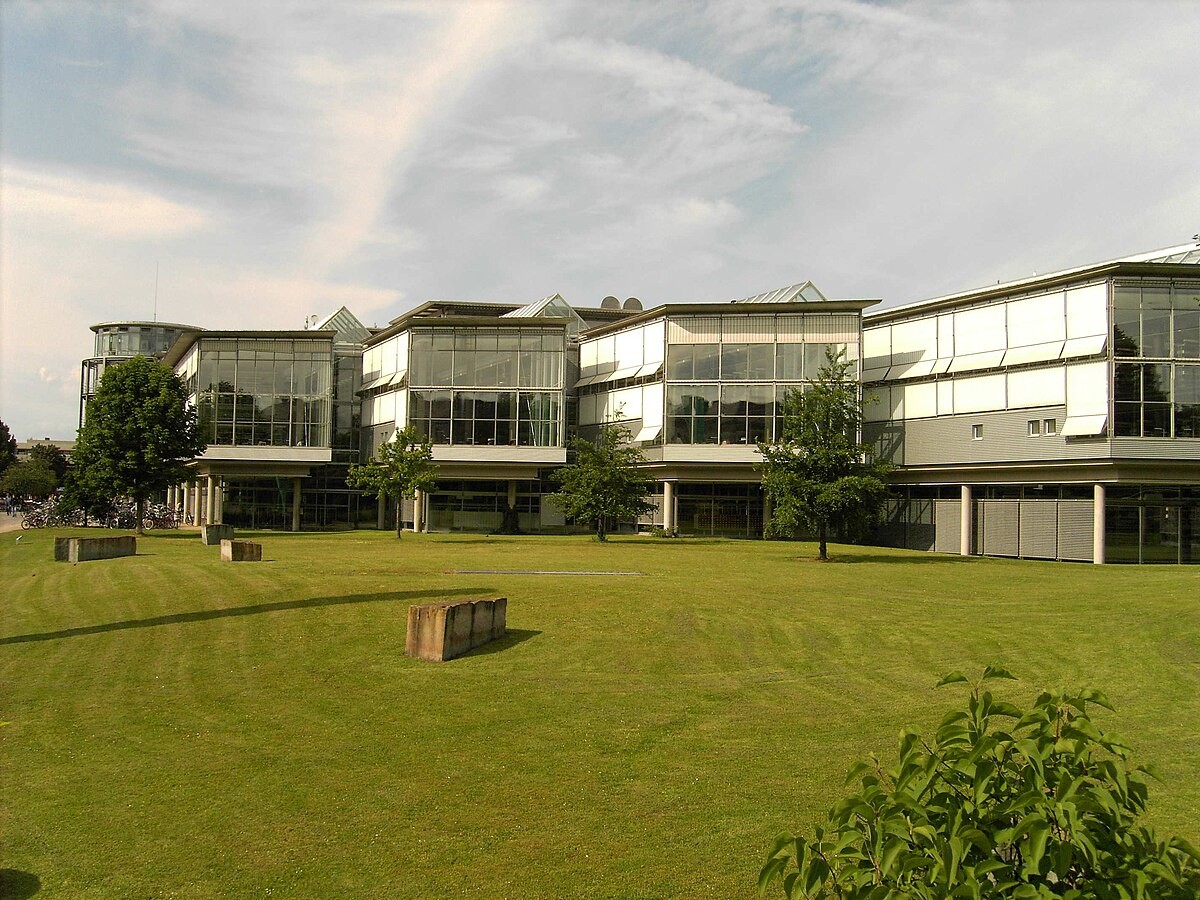
The architecture of the library itself tells a captivating story of evolution and ambition. As one wanders through its various spaces, they encounter a chronological tapestry of design, moving from the stately grandeur of Baroque influences to the refined, disciplined lines of Neo-Classical elegance. This architectural journey culminates in the striking Central Library, which serves as a modern anchor for the university’s academic spirit. For interior designers and lovers of structural narrative, the library represents a masterclass in how space can reflect the changing tides of intellectual history, blending the monumental with the functional.
Treasures of the Written Word
The true heart of the collection lies in its incomparable treasures that bridge the gap between science and fine art. The crown jewel is undoubtedly the Gutenberg Bible , one of only four surviving perfect vellum copies in existence. To behold such a masterpiece is to witness the very genesis of the printing revolution; it is an object where the precision of early typography meets the sacred reverence of the Renaissance. Beyond this, the library houses a vast expanse of medieval codices, illuminated with pigments so vibrant they seem to defy the passage of time, and maps that once charted the edges of the known world.
These items are not merely historical artifacts; they are works of art in their own right, embodying a level of craftsmanship that continues to inspire awe. The collection is characterized by:
- Medieval Codices: Hand-crafted manuscripts featuring exquisite illuminations and vibrant pigments.
- Early Printed Works: Rare volumes that bear witness to pivotal moments in European history and the birth of mass communication.
- Scientific Heritage: A significant history-of-science collection that preserves the intellectual legacy of luminaries such as Newton and Kepler.
- Cartographic Wonders: Detailed maps that serve as both scientific records and aesthetic masterpieces of line and color.
A Bridge Between Eras
What truly distinguishes SUB Göttingen is its unique position as a bridge between the tangible past and the digital future. While it preserves the delicate, fragile manuscripts of history's greatest minds, it simultaneously leads the way through ambitious digitization projects via the GDZ (Göttingen Digital Library) . This commitment to accessibility ensures that the beauty of a hand-painted illumination or a detailed anatomical illustration is not locked away in darkness, but shared with a global audience.
It is this seamless blend of preservation and outreach—of honoring the physical weight of history while embracing the ethereal nature of the digital age—that makes the SUB Göttingen an essential destination for anyone captivated by the enduring legacy of human creativity. Whether one is drawn to the tactile richness of vellum or the infinite possibilities of the digital archive, the library remains a beacon of scholarly tradition and artistic heritage.