


A Sanctuary of Timeless Elegance
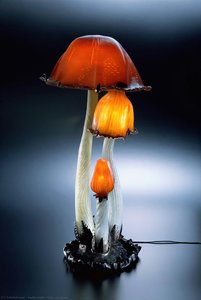
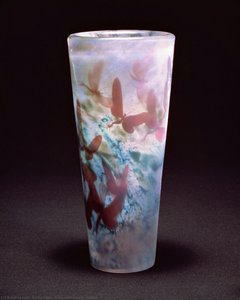
In the heart of Tokyo’s vibrant Roppongi district, nestled within the lush greenery of the Tokyo Midtown complex, lies a sanctuary where the past and present breathe in unison. The Suntory Museum of Art is not merely a repository for historical artifacts; it is a living testament to the philosophy of "Art in Life." Established in 1961 by Keizo Saji, the visionary president of Suntory, the museum was founded on the profound belief that beauty should not be confined to scholarly archives but integrated into the very fabric of our daily existence. This guiding principle transforms every visit into a meditative journey, inviting collectors and aesthetes alike to rediscover the grace found in the objects that shape our rituals and traditions.
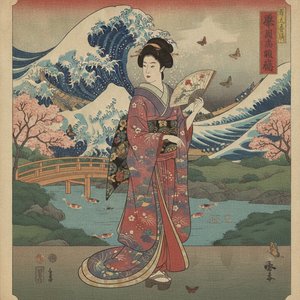
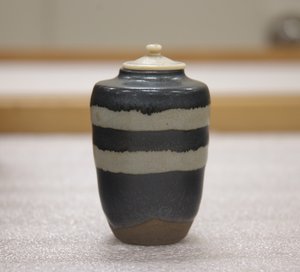
The museum’s collection is a breathtaking tapestry of Japanese heritage, boasting over 3,000 exquisite works that span centuries of meticulous craftsmanship. Visitors are often captivated by the delicate interplay of light and form found in the museum's ceramics, particularly the celebrated Mino ware and the vibrant Kutani porcelain. Beyond the clay, the halls whisper stories of ancient mastery through breathtaking paintings by legends such as Hiroshige and Yokoyama Taikan . Each piece—whether a shimmering lacquerware bowl or a fine silk textile—servates as a bridge to an era where every functional object was treated as a canvas for spiritual and aesthetic expression. For the interior designer, these works offer unparalleled inspiration, showcasing how texture, color, and seasonal motifs can elevate a space into a realm of profound tranquility.
Architectural Harmony and Modern Vision
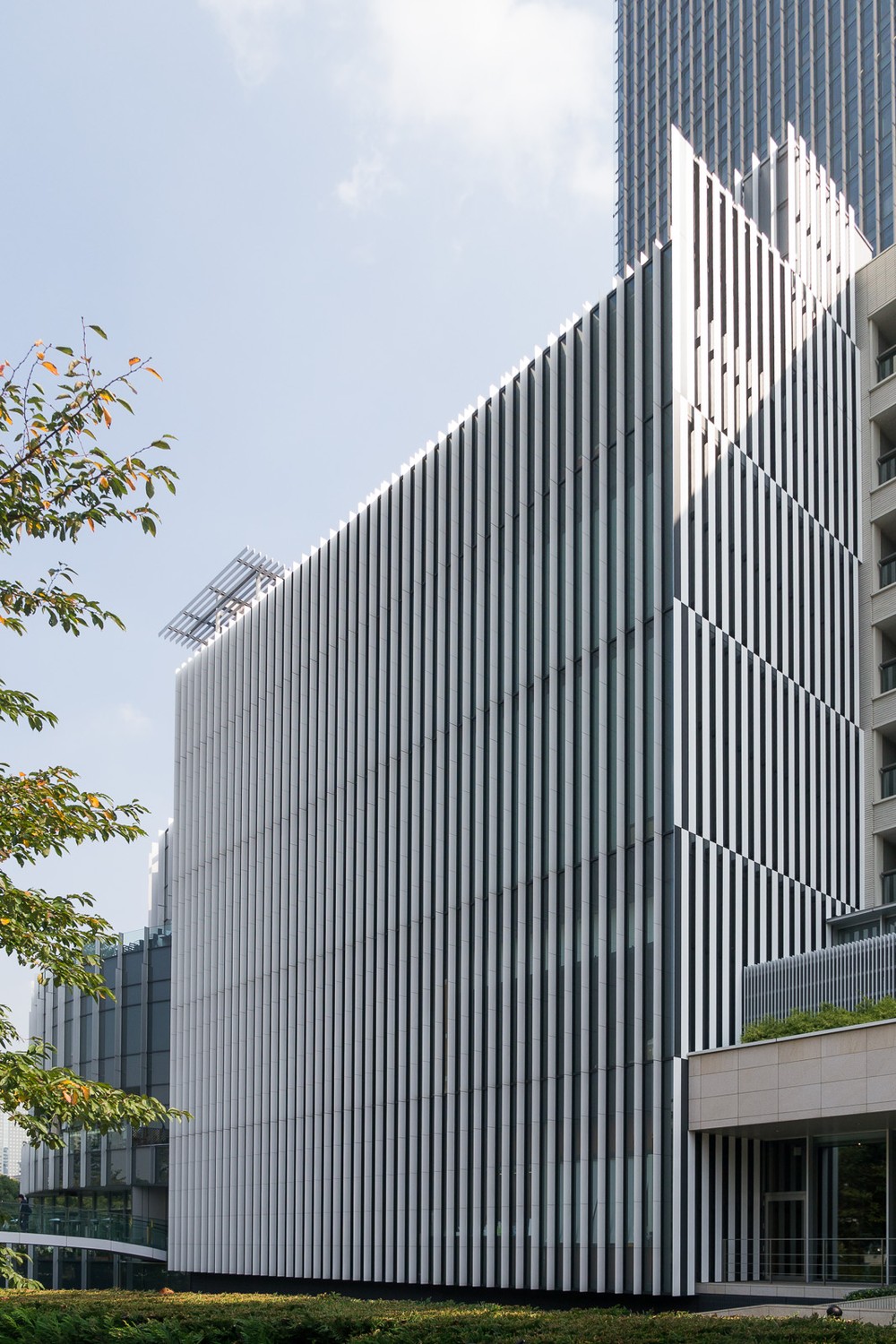
The physical experience of the Suntory Museum of Art is as much an art form as the treasures it houses. The museum’s architecture, masterfully designed by the renowned Kengo Kuma , serves as a seamless extension of the surrounding Tokyo Midtown Garden. Kuma’s design philosophy emphasizes transparency and integration, blurring the boundaries between the built environment and the natural world. This architectural dialogue creates a sense of "architectural harmony," where the structure itself acts as a quiet observer to the seasonal shifts in the garden outside. The recent 2020 renovation further refined this experience, introducing advanced lighting technologies that illuminate the delicate glazes of ancient ceramics with newfound clarity while ensuring the museum remains a resilient landmark for future generations.
What truly distinguishes the Suntory Museum is its role within the prestigious "Roppongi Art Triangle," standing alongside the Mori Art Museum and The National Art Center, Tokyo. It offers a unique counterpoint to its more contemporary neighbors by focusing on the continuity of Japanese identity. Through curated exhibitions that explore themes ranging from traditional tea ceremonies to modern interpretations of classical motifs, the museum fosters a global dialogue between Eastern sensibilities and Western perspectives. It is a place where history meets innovation, making it an essential destination for anyone seeking to understand how the ancient spirit of Japanese craftsmanship continues to inspire the modern soul.