


A Symphony of Stone and Sound: The Soul of Milanese Grandeur
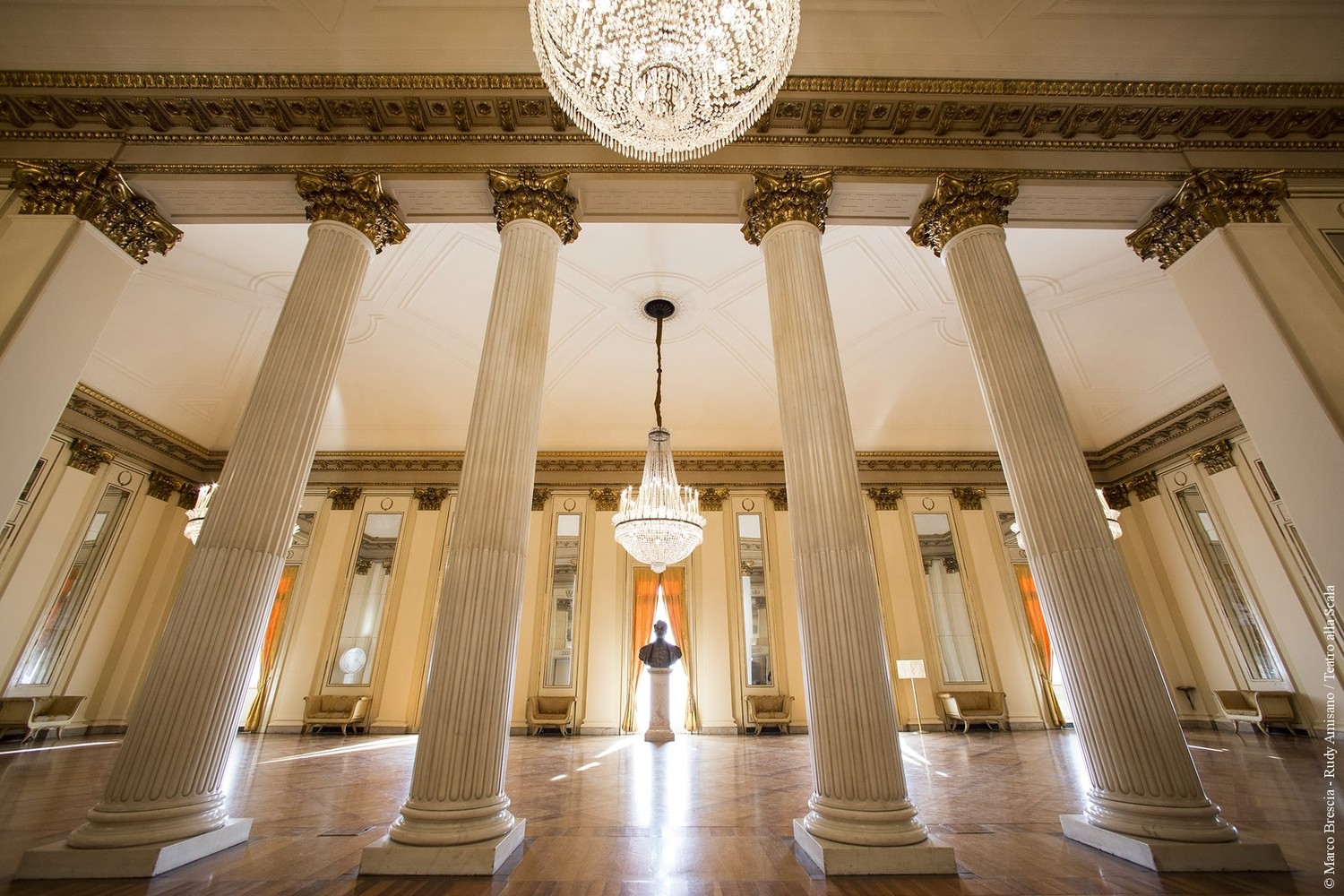
To step into the shadow of the Teatro alla Scala is to encounter more than just a monument of Milan; it is to enter a living chronicle of Italian passion, where the boundaries between architectural brilliance and musical transcendence dissolve. Located in the vibrant heart of Milan’s historic center, this neoclassical masterpiece serves as a profound testament to the Enlightenment era's ideals of reason, symmetry, and civic pride. The theatre’s imposing façade, which dominates the Piazza Teatro alla Scala, acts as a gateway to another century, inviting visitors to witness the enduring legacy of Giuseppe Piermarini . His visionary design, conceived in 1776 following the tragic loss of the Teatro Regio Ducale, replaced destruction with a revolutionary elliptical plan. This daring departure from traditional horseshoe shapes was not merely an aesthetic choice but a feat of acoustic engineering, meticulously crafted to foster an intimate connection between the performer and the spectator, ensuring that every note resonates with clarity and emotional depth.
The true magic of La Scala resides in its ability to weave together the visual, the tactile, and the auditory into a singular, immersive experience. For the art lover and the historian alike, the Museo Teatrale alla Scala offers an unparalleled glimpse into the ephemeral nature of performance made permanent through tangible artifacts. The treasures found within are not merely relics but fragments of a dramatic soul; one might find themselves captivated by the delicate embroidery of costumes worn by legendary divas, or moved by the original sketches and drafts for set designs penned by luminaries such as Giuseppe Verdi and Giacomo Mercoli . These works reveal the meticulous craftsmanship and the initial sparks of genius that transformed simple stagecraft into high art.
A Sanctuary of Operatic Heritage
Beyond the velvet curtains and the gilded splendor of the auditorium lies a sanctuary where the creative genesis of opera is laid bare. The collection breathes life into the past through a curated selection of instruments once played by masters like Puccini and Rossini , allowing the echoes of their compositions to linger in the very air. For the interior designer or collector seeking inspiration, the museum provides a masterclass in neoclassical harmony and the use of sculptural ornamentation to celebrate cultural identity. The archives, particularly the Biblioteca Livia Simoni , hold a staggering wealth of knowledge with approximately 140,000 works related to theatre history, opera, and ballet, making it an essential pilgrimage for scholars and enthusiasts.
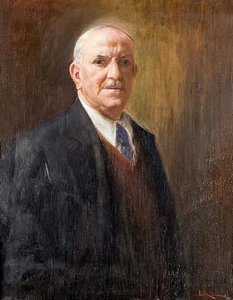
As one wanders through the galleries, the portraits of celebrated musicians and actors serve as a visual chronicle of theatrical artistry, creating a sense of continuity across generations. The museum's essence is defined by its ability to preserve the following elements of theatrical life:
- The Architectural Vision: The mastery of Piermarini, blending classical principles with functional innovation.
- The Material History: From the delicate textures of period costumes to the heavy weight of historical instruments.
- The Intellectual Legacy: A vast repository of sketches, drafts, and musical scores that document the evolution of the stage.
It is a place where the architectural precision of Piermarini meets the fluid emotion of the operatic stage, offering a profound journey through an illuminated legacy that continues to inspire the world’s most profound artistic expressions.