
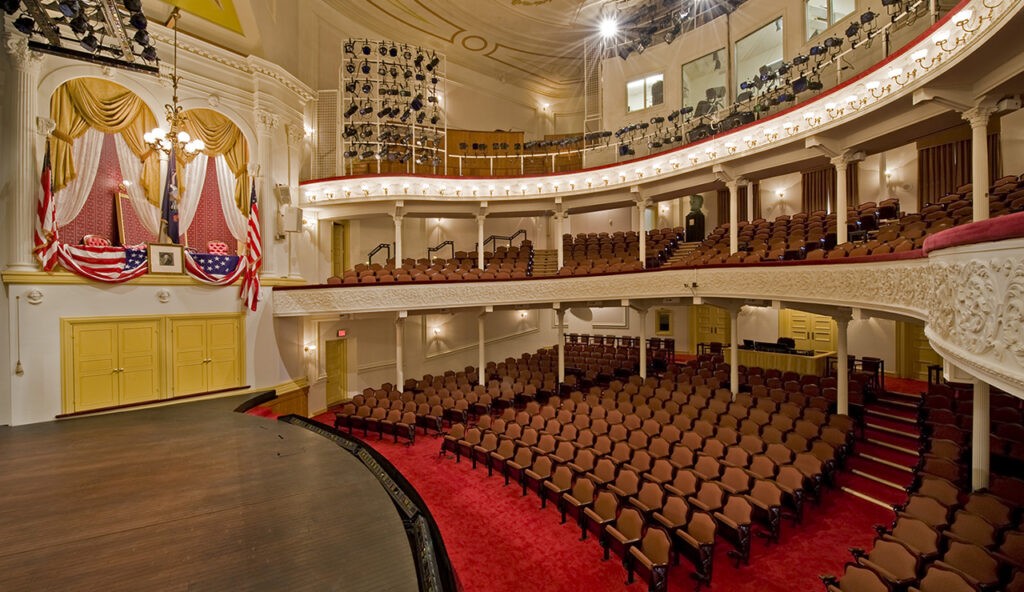
Table of Contents
Quick Facts
- Works on APS: 1
- Historical periods: 19th century
- Location: Washington, D.C., United States of America
- Alternate names:
- Fords Theatre
- Where Abraham Lincolns legacy lives
- Fords Athenaeum
- Fords Theatre National Historic Site
- More…
- Movements: contemporary realism
- Mediums: giclée print
- Featured artists: Alfred Rudolph Waud
- Art types: digital
Exhibited Artists
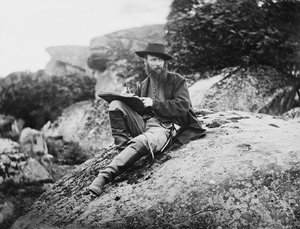
Alfred Rudolph Waud
Alfred Rudolph Waud (1828-1891): American Civil War artist & illustrator renowned for on-site sketches of battles like Gettysburg, frontier life, and detailed historical scenes. Explore his impactful war art!

Art Quiz
There is only one correct answer for each question.
Question 1:
What is Ford’s Theatre primarily known for?
Question 2:
When did John T. Ford transform the original church into a theater?
Question 3:
What type of performance was Lincoln enjoying at Ford’s Theatre on April 14, 1865?
Question 4:
What happened in 1893 that prompted the restoration of Ford’s Theatre?
Question 5:
Who currently administers Ford's Theatre National Historic Site?
Related Articles
National Gallery of Art's Masterpieces: 25 Iconic Paintings for Your Home Decor
Explore 25 iconic artworks from Washington DC's National Gallery of Art! Discover masterpieces by Cézanne, Matisse & Picasso. Find museum-quality art reproductions and elevate your home decor with timeless paintings. Explore the full collection online at Mus3ums.com.
Alice Pike Barney: A Life Painted in Impressionism & Washington Society
Explore the life & art of Alice Pike Barney, a pioneering American Impressionist painter who defied convention and fostered Washington D.C.'s vibrant arts scene. Discover her unique style, portraits, and lasting legacy.
Musée d'Orsay Masterpieces: 25 Iconic Paintings & Art Decor Ideas
Journey through the Musée d'Orsay’s 25 most iconic artworks! Explore Impressionist & Post-Impressionist masterpieces by Monet, Van Gogh, Degas & more. Find museum-quality art reproductions and curated decor ideas to bring timeless beauty home. Discover all masterpieces on Mus3ums.com
© 2026 mus3ums.com