
Origins and History of the Institution
The Phillips Collection emerged from a personal desire to live alongside art. Founded by Duncan Phillips in 1921, the institution began when he transformed his family home into an art gallery. Located in Washington, D.C.’s Dupont Circle neighborhood, this private, non-government institution was established to foster a direct connection between the viewer and the creative spirit. It holds the distinction of being America's first museum dedicated to modern art.
For over one hundred years, the collection has expanded through a commitment to modern and contemporary art. The origins of the institution are rooted in the domestic space, where the boundaries between a private residence and a public gallery remain blurred. This unique beginning shaped a mission to treat art as a living presence rather than a distant object of study. The collection grew through a spontaneous approach to acquisition, often testing new works to see if they possessed the endurance to remain part of the permanent dialogue.
The history of the institution is marked by a focus on the evolution of artistic expression. By grouping works by their aesthetic temperament, the collection traces a lineage from the influences of the nineteenth century into the complexities of the present. This approach allowed for the inclusion of voices that were often overlooked by the mainstream art world during the early twentieth century.
The Building and its Architecture
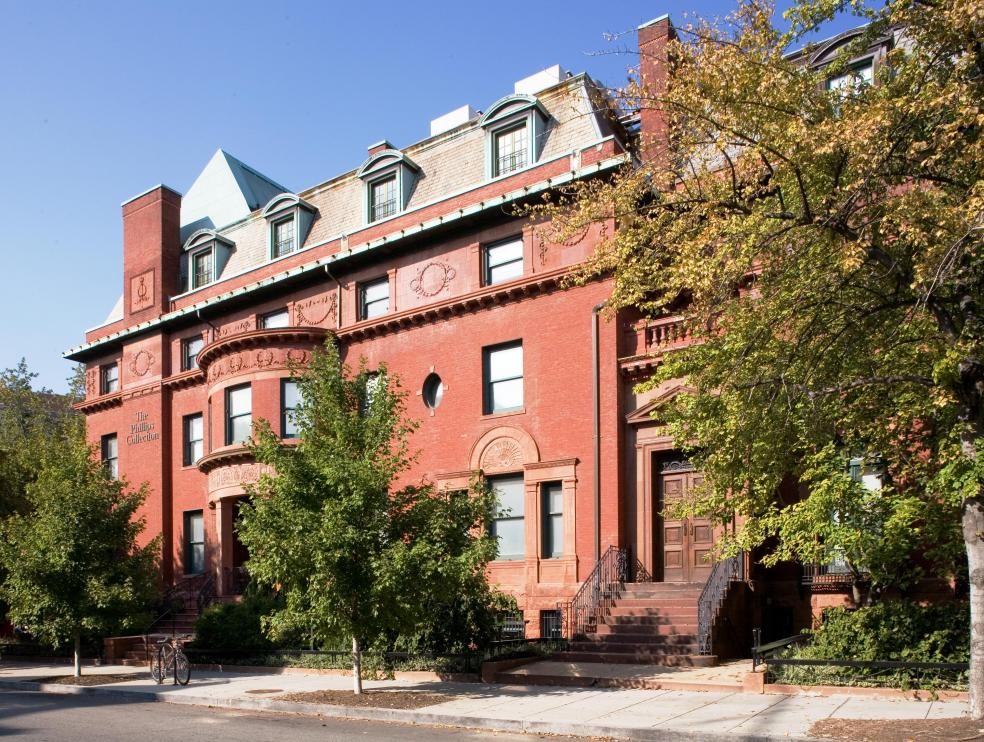
Located in Washington, D.C.’s historic Dupont Circle neighborhood, the institution resides within an original Georgian Revival residence. The space was not constructed as a public institution but emerged from the family home of Duncan Phillips. This domestic origin remains central to the atmosphere, as the gallery occupies a portion of the residence itself. The architecture maintains a sense of intimacy, preserving a character that feels lived-in rather than institutional. It functions as a home for the fine arts, where the boundaries between a private dwelling and a public space remain intentionally blurred.
The structure has been expanded thoughtfully over the years to accommodate a growing collection. These additions were integrated to respect the existing scale of the house, avoiding the imposing proportions often found in larger institutions. The result is a series of rooms that encourage quiet contemplation. One might find themselves standing before a canvas in a setting that feels personal and contained. The layout facilitates a dialogue between the architecture and the works it holds, ensuring that the environment remains a sanctuary for those seeking a direct encounter with art.
Masterpieces of the Collection
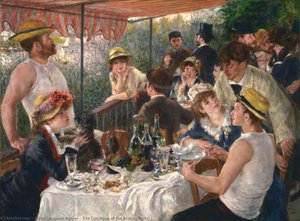
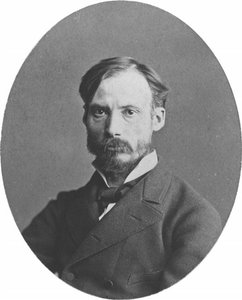
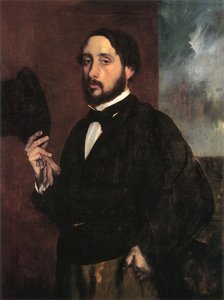
The collection contains nearly 6,000 works that trace a lineage from nineteenth-century influences through the developments of modernism. Pierre-Auguste Renoir’s Luncheon of the Boating Party, acquired in 1923, remains a central presence within the galleries. This work is part of a significant grouping of Impressionist and Post-Impressionist canvases, including pieces by Monet, Degas, and Van Gogh. The presence of Cézanne and Courbet provides a foundation for the more radical shifts in style that follow.
The evolution of form and color is evident in the works of Matisse, Picasso, and Braque. These artists represent the movement toward abstraction and the liberation of color. A significant milestone in the collection occurred in 1957 with the purchase of the first Mark Rothko painting, marking a shift toward the mid-century aesthetic. The dialogue between these different eras is maintained through the careful arrangement of works by various masters.
- Luncheon of the Boating Party, 1881
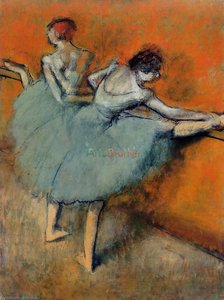
- Dancers at the Barre 1, 1888
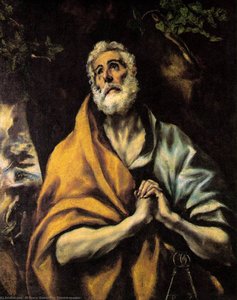
- The Repentant Peter, 1600
- The Red Sun, 1948
- Le Moulin de la Galette, about 1886
- St. Francis in Ecstasy
Exhibitions and Research
The institution functions as an experiment station, a place where new ideas are tested through the arrangement of its works. Rather than maintaining static displays, the galleries are frequently rearranged to facilitate new conversations between the pieces. This movement allows for a constant re-evaluation of how different styles and eras interact within the space. Special exhibitions are held alongside the permanent collection, offering a shifting perspective on the history of modern art.
A sense of permanence exists within the changing landscape of the galleries, most notably in the Rothko Room. This permanent installation provides a dedicated space for contemplation, distinct from the rotating displays. Beyond the visual experience, the institution maintains a commitment to community engagement through award-winning education programs. These initiatives seek to foster a deeper connection between the public and the creative spirit found within the walls.