


A Beacon of Black Art: The Soul of Harlem
In the vibrant, rhythmic heart of Manhattan, where the energy of 125th Street meets the profound historical echoes of the African diaspora, stands The Studio Museum in Harlem. More than a mere repository for artifacts, this institution serves as a vital cultural pulse, a sanctuary where the narratives of Black artists are not just preserved but actively shaped and celebrated. Founded in 1968 during a period of intense social transformation, the museum emerged from a necessity to provide a dedicated stage for voices that had long been sidelined by the traditional art canon. What began as a modest loft on Fifth Avenue has blossomed into a global landmark, embodying an unwavering commitment to community engagement and the rigorous pursuit of artistic excellence.
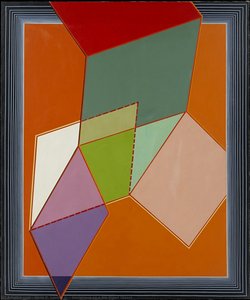
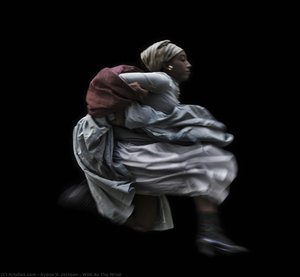
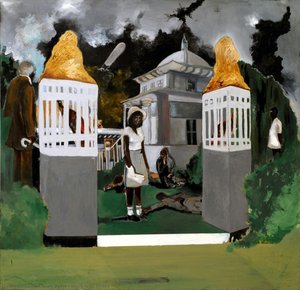
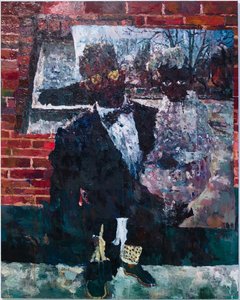
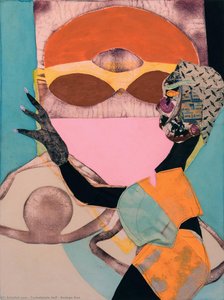
The museum’s collection is a breathtaking tapestry of human experience, weaving together painting, sculpture, photography, and mixed-media works that explore the multifaceted identities of African Americans and those connected to the African continent. To walk through its galleries is to witness a profound dialogue between tradition and innovation. One might encounter the dazzling, textured canvases of contemporary masters like Mickalene Thomas , whose use of rhinestones and collage redefines beauty standards and Black female identity, alongside the experimental spirit of works that challenge the very boundaries of medium and form. This collection does not merely reflect history; it actively participates in the creation of a living, breathing aesthetic legacy.
Architectural Vision and the Future of Connection
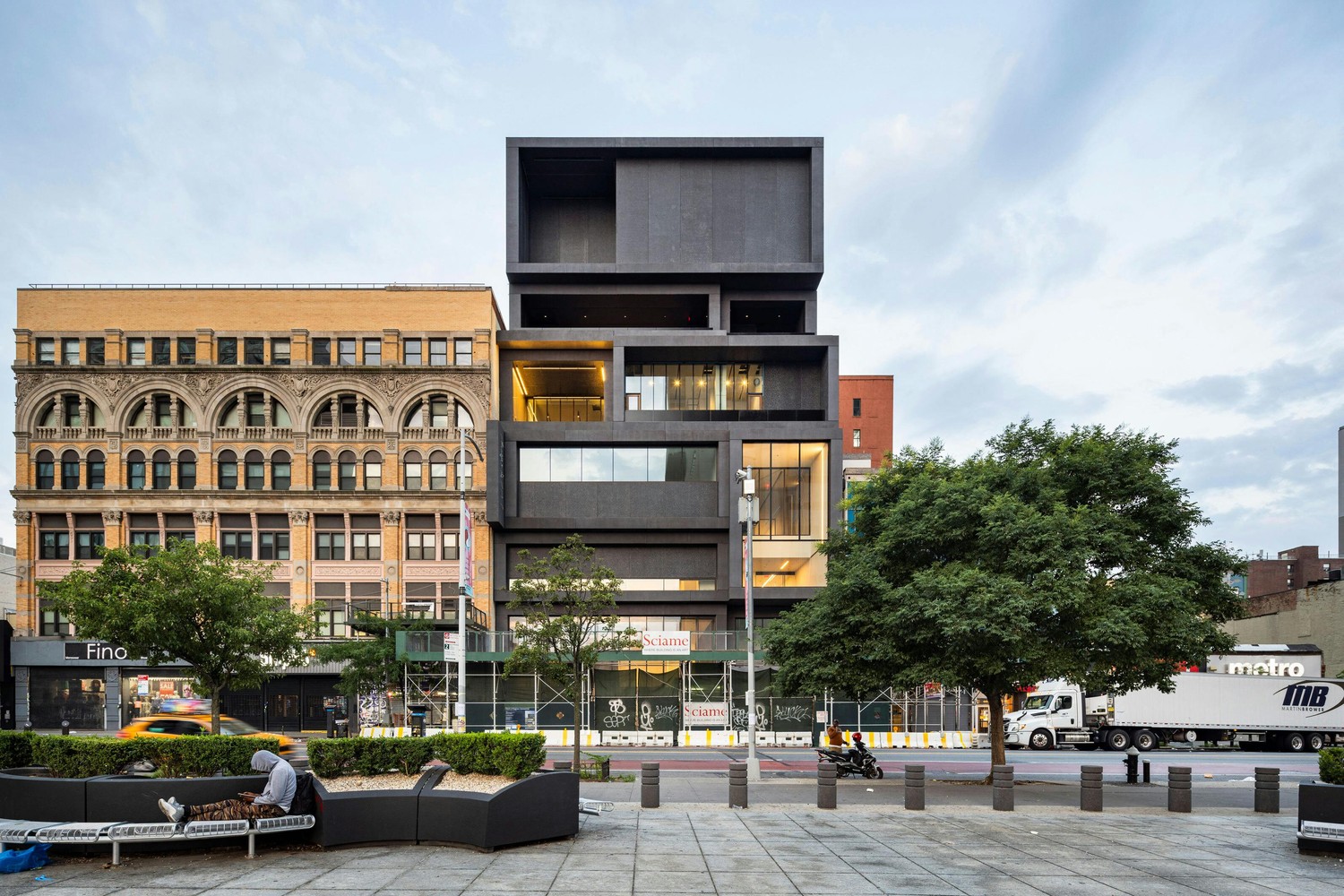
The physical evolution of The Studio Museum is a testament to its growing influence and its deep-rooted connection to the Harlem landscape. While its long-standing home at 144 West 125th Street has anchored the community for decades, the museum is currently undergoing a metamorphosis that mirrors its ambitious spirit. The forthcoming structure, envisioned through a design that draws inspiration from the very streets it inhabits, promises to be a dynamic cultural hub. The architecture thoughtfully integrates the theatricality of performance spaces, the kinetic energy of Harlem’s sidewalks, and the serene, contemplative atmosphere found in local houses of worship.
Central to this new architectural era is the concept of the inverted stoop —a symbolic gathering space designed to act as a welcoming threshold. This design choice emphasizes that the museum is not an elitist fortress but a communal living room, inviting dialogue and connection between the art and the people. For collectors and designers alike, the museum represents a masterclass in how architecture can foster social cohesion, creating an environment where the boundary between the institution and the neighborhood becomes beautifully blurred.
A Legacy of Mentorship and Artistic Discovery
What truly distinguishes The Studio Museum is its role as a fertile ground for emerging talent. Through its celebrated Artist-in-Residence program , the museum has nurtured over one hundred artists, providing the essential studio space and mentorship required to transition from local promise to international acclaim. This commitment to the future of art ensures that the museum remains at the cutting edge of contemporary discourse. Notable exhibitions, such as those featuring the intricate gridwork of Charles Gaines or the sweeping, complex layers of Julie Mehretu , have solidified its reputation as a premier destination for discovering the vanguard of modern creativity.
Beyond the walls of its galleries, the museum functions as a forum for social change and intellectual exploration. Through lectures, panel discussions, and collaborative community programs, it fosters a deep sense of critical thinking and cultural understanding. As the world awaits the grand reopening in late 2025, The Studio Museum in Harlem stands poised to embark on a new era—one where it will continue to amplify marginalized voices, honor historical resilience, and serve as an eternal beacon of inspiration for artists, scholars, and lovers of art across the globe.