



A Living Archive of the Slovak Soul
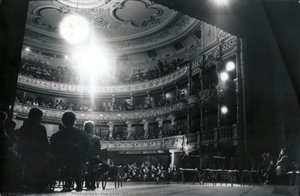
Nestled within the cultural heartbeat of Bratislava, The Theatre Institute serves much more than a mere repository for historical artifacts; it is a breathing, pulsating archive dedicated to the ephemeral magic of the performing arts. To step into its halls is to embark on an immersive journey through the very essence of Slovak identity, tracing a lineage of artistic expression that stretches back to the dawn of the nation's professional stage in 1920. This institution functions as a sanctuary where the fleeting moments of drama, opera, ballet, and puppetry are captured and preserved against the erosion of time, acting as a vital beacon of cultural exchange within the global dialogue.
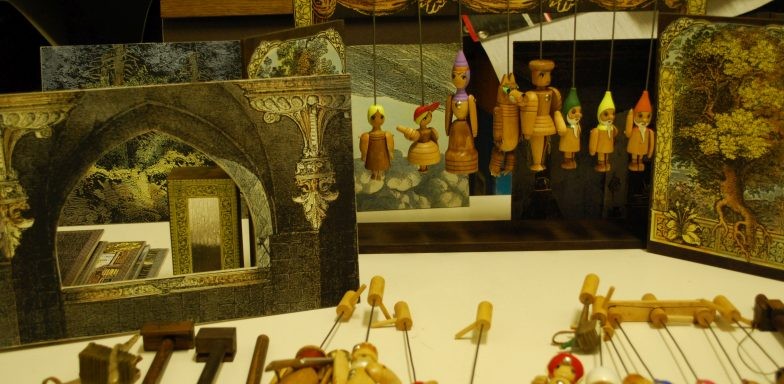
The collection held within this specialized institution is a theatrical time capsule, offering an unparalleled depth of material that speaks to the meticulous craftsmanship of generations. One might find themselves lost in the delicate pages of original scripts, where the raw intentions of playwrights are etched in ink, or captivated by the vibrant energy of vintage playbills that once heralded the arrival of legendary performers. The archives breathe with the visual echoes of the stage, featuring evocative photographs that freeze the most poignant dramatic crescendities and meticulously preserved recordings that allow the haunting melodies of past operas to resonate once more. From the grand, sweeping narratives of the Slovak National Theatre to the intimate, whimsical worlds of traditional puppet theatre, the collection celebrates both the monumental and the miniature.
A Sanctuary of Research and Scenography
Beyond its scholarly significance, The Theatre Institute offers a curated experience designed to inspire the modern aesthetician. For the art lover or the interior designer, the institution provides a profound source of inspiration, showcasing the evolution of costume design, lighting techniques, and scenography. While the architecture does not rely on the intimidating opulence of grand opera houses, its interior is thoughtfully composed to serve as a canvas for rotating exhibitions that illuminate specific eras and themes of Slovak theatrical history. It is a place where the scientific rigor of research meets the profound emotional resonance of the arts.
The Institute’s mission extends far beyond simple preservation, as it actively fosters the presentation of Slovak theatre abroad through international collaborations with prestigious organizations such as ICOM , ITI , and ENICPA . This commitment to education and promotion ensures that the legacy of the performing arts remains a dynamic force. The institution’s work includes:
- Comprehensive Documentation: The systematic collection, scientific processing, and protection of archive, museum, and documentation items.
- Scientific Research: Scholarly analyses and the provision of information regarding theatre culture in Slovakia.
- Educational Outreach: Programs designed to spur new methods in artistic education, particularly focusing on young artists, students, and cultural workers.
- Information Services: Maintaining a comprehensive system that informs the public about both the history and the contemporary state of professional theatre.