
A Tapestry of Time: Unveiling the Artistic Soul of Universidad de Salamanca
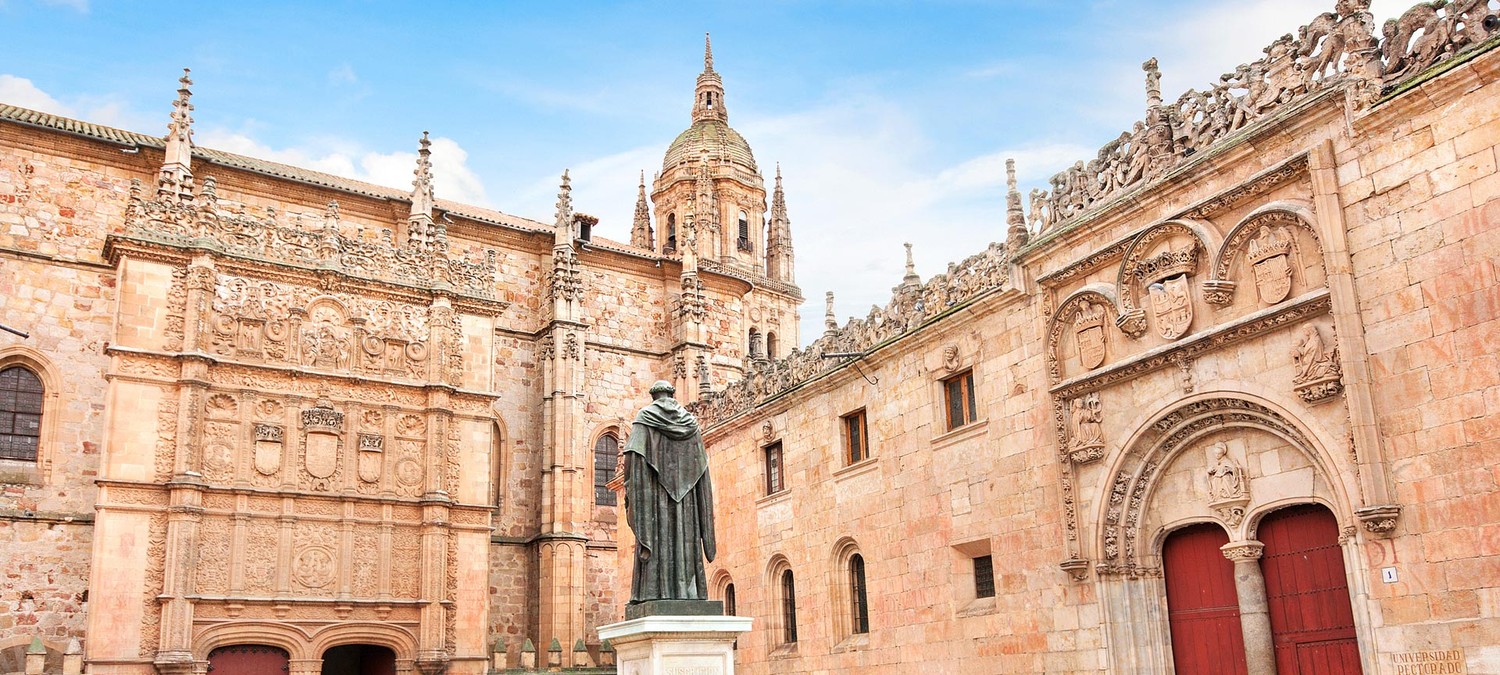
The Universidad de Salamanca is not simply a place of learning; it’s an embodiment of intellectual history, woven into the very fabric of Spain's cultural identity. Founded in 1218 by King Alfonso IX, this venerable institution—one of the oldest universities in continuous operation—stands as a breathtaking palimpsest of architectural styles and artistic expression. To walk its stone-paved courtyards is to traverse eight centuries, encountering echoes of philosophical debate, legal innovation, and the enduring power of human curiosity. More than just classrooms and libraries, Salamanca presents itself as a living museum, where art isn’t merely displayed but *integrated* into the daily life of scholarship.
Renaissance Grandeur and Gallego's Illusionistic World
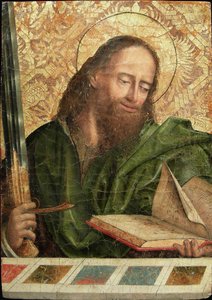
The artistic heart of the Universidad beats strongest within its Renaissance structures. While Gothic foundations provide a grounding solidity, it is the elegance and humanist ideals of the 15th and 16th centuries that truly define the museum’s collection. This period witnessed an explosion of creativity, most spectacularly manifested in the monumental altarpieces crafted by Fernando Gallego. A master painter whose work transcends mere decoration, Gallego possessed a remarkable ability to create illusions—a technique known as *trompe l'oeil*—that draws viewers into a realm of profound spiritual contemplation. His canvases aren’t representations of theological narratives; they are immersive experiences, meticulously detailed and rendered in vibrant color, reflecting the intellectual fervor of Salamanca’s Golden Age.
Gallego’s genius lies not only in his technical skill but also in his understanding of perspective, light, and shadow. He employed these elements to convey complex theological themes with astonishing realism, inviting viewers to question their perceptions and engage directly with the divine. The Museo Universitario houses a remarkable collection of these altarpieces, each painstakingly documented by curators who reveal the intricate symbolism embedded within every brushstroke. Beyond the sheer beauty of the paintings, one can discern the Renaissance preoccupation with humanism—a shift in focus towards earthly concerns alongside spiritual ones— subtly woven into the narratives themselves.
Architecture as a Chronicle of Cultural Shifts
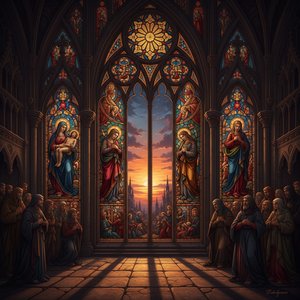
The Universidad’s architectural grandeur is a captivating story told in stone. The cathedral, dating back to the 12th century, dominates the Salamanca skyline with its soaring arches and stained glass windows—a testament to the enduring spirit of medieval faith. Adjacent stands the Nueva Catedral, a Baroque masterpiece constructed during the 18th century, symbolizing Spain’s religious revival following the Enlightenment. But it is within the Renaissance buildings themselves that the museum truly shines. Symmetrical facades adorned with elaborate sculptural ornamentation pay deliberate homage to classical ideals of beauty and proportion—a reflection of the humanist values that permeated the era.
The integration of these diverse architectural styles isn’t accidental; it represents a conscious effort to chronicle cultural shifts over centuries. Exploring these buildings offers a unique opportunity to appreciate how artistic sensibilities evolved, reflecting changing beliefs, political landscapes, and scientific discoveries. The facades themselves become canvases, subtly incorporating ornamental motifs that echo the philosophical debates taking place within the university walls—a poignant reminder of the inextricable link between art and thought.
A Legacy Forged in Debate: Salamanca’s Enduring Influence
Salamanca's history is one of resilience and innovation. From its origins as a cathedral school in 1130 to its formal establishment as a *studium generale* in 1218, the institution has consistently served as a beacon of learning. Royal charters from Alfonso X and papal recognition solidified Salamanca’s position on the European academic stage, attracting scholars from across Christendom. The founding of the Escuela Libre de Derecho (Free Law School) in 1816 further cemented its legacy, shaping legal thought and establishing precedents for international law—including ethical considerations surrounding colonialism.
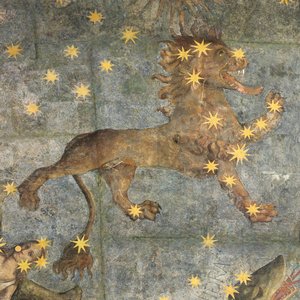
Today, the Universidad de Salamanca continues to uphold this tradition, inspiring students from around the globe. The Museo Universitario isn’t merely a repository of historical artifacts; it's a vibrant testament to the enduring power of knowledge, artistic expression, and intellectual curiosity. It is a place where the past informs the present—a living monument that invites visitors to contemplate the fundamental questions about law, morality, and the cosmos that have shaped Western thought for centuries.