

A Symphony of Stone and Silk: The Soul of Vichy Opera House
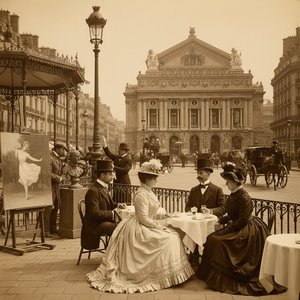
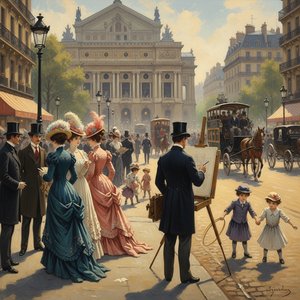
In the tranquil heart of France, where the therapeutic waters of Bourbonnais have long promised rejuvenation, stands a monument that transcends the mere boundaries of architecture. The Vichy Opera House is not simply a venue for performance; it and its surroundings represent a living testament to the Belle Époque , an era defined by an unshakeable belief in elegance, innovation, and the sublime. To step toward its limestone façade is to encounter a masterpiece of design that bridges the gap between classical stability and the exuberant, flowing spirit of the Art Nouveau movement. Designed by the visionary architects Lucien Woog and Charles Le Cœur , the structure commands attention with a stately presence, yet it whispers secrets of a more decadent age through its intricate ornamentation.
The true magic of the Opera House reveals itself only once one crosses the threshold, moving from the bright daylight of the Parc des Sources into an interior that feels like a gilded dream. The auditorium is a masterclass in sensory immersion, where the color palette of gold, ivory, and soft yellow creates a warm, luminous atmosphere that seems to glow from within. Here, the architecture serves the art; every curve of the ceiling and every meticulously crafted seating arrangement has been engineered for acoustic perfection. As light dances across elaborate frescoes depicting mythological scenes and allegorical figures, the space transforms into a stage where history and myth converge, offering an intimate setting that captivates even the most seasoned connoisseur of fine arts.
A Tapestry of History and Resilience
The history of this magnificent house is as dramatic as the operas performed upon its stage. While it stands today as a beacon of cultural refinement, its walls have witnessed the profound shifts of the twentieth century, including its poignant role as the headquarters of Vichy France during the Second World War. On 10 July 1940, this magnificent venue served as the site for an extraordinary session of France’s National Assembly, adding a layer of turbulent memory that lends a soulful depth to the building. This weight of history makes every note of Verdi or Puccini resonate with a sense of resilience.
The Opera House has long been a crossroads for the global elite, from the imperial grandeur of Napoleon III’s era to the roaring twenties, when travelers flocked to Vichy to mingle the pursuit of wellness with the thrill of high society. The institution continues to breathe new life into its historic halls through a multidisciplinary spirit that includes:
- Symphonic Grandeur: Orchestral performances that utilize the hall's acoustic perfection.
- Dance and Ballet: Graceful movements that mirror the flowing Art Nouveau lines of the architecture.
- Contemporary Installations: Modern perspectives that challenge and dialogue with the historic setting.
- Summer Programming: A vibrant seasonal offering featuring jazz, pop rock, and world music.
For the art lover and the interior designer alike, the Vichy Opera House offers endless inspiration. It is a place where the boundaries between different artistic disciplines dissolve, ensuring that the dialogue between the past and the present remains as vibrant as the gilded light reflecting off its ivory walls.