
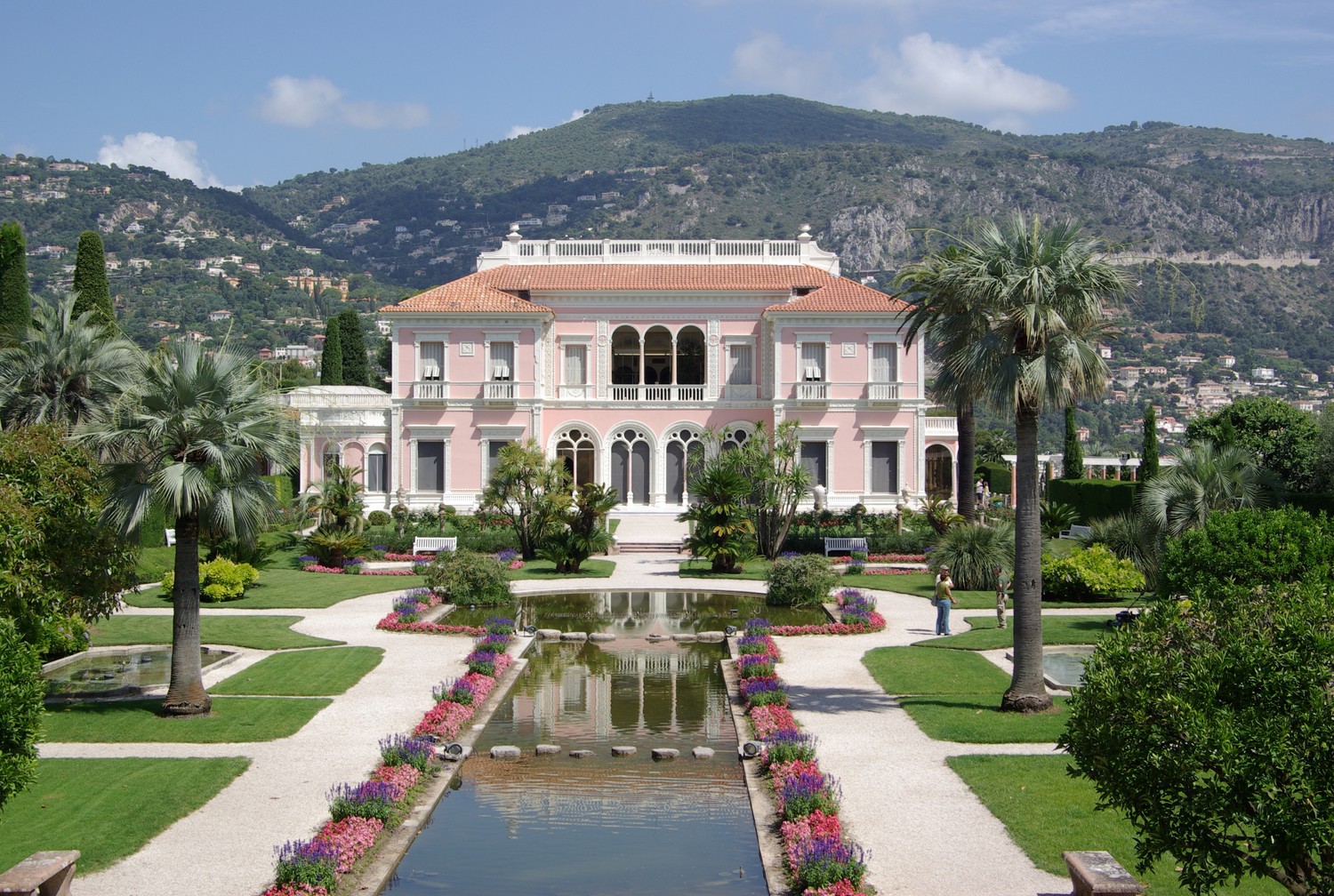
Table of Contents
Quick Facts
- Mediums:
- acrylic on canvas
- oil on canvas
- Historical periods: early modern
- Featured artists:
- Jean-Honoré Fragonard
- jean frédéric schall
- Manufacture Royale De Porcelain De Sèvres
- Sèvres Porcelain Factory
- félix lecomte
- Location: Saint-Jean-Cap-Ferrat, France
- More…
- Works on APS: 14
- Movements:
- baroque rococo
- hermannsburg school
- louis xiv style
- rococo
- rococo painting
- Art types: wallart
Exhibited Artists
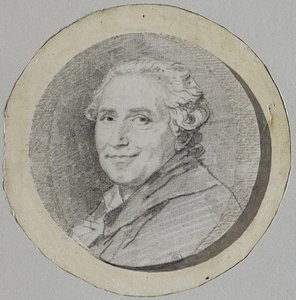
Jean-Honoré Fragonard
Discover Jean-Honoré Fragonard (1732-1806), the master of Rococo! Explore his playful paintings like 'The Swing,' capturing 18th-century elegance & sensuality. A French art icon!

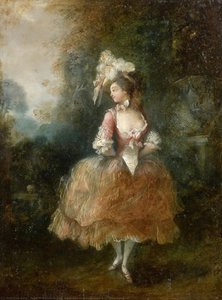
jean frédéric schall
Explore the evocative paintings of Jean Frédéric Schall (1752-1825), a Strasbourg artist known for charming scenes of daily life & portraits in France's Rococo style.
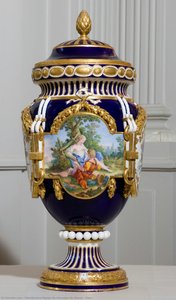
Manufacture Royale De Porcelain De Sèvres
Manufacture Royale De Porcelain De Sèvres exemplifies French Rococo artistry with exquisite porcelain creations and contributions to the famed service for Louis XV; discover timeless elegance and refined craftsmanship.
Art Quiz
There is only one correct answer for each question.
Question 1:
Who commissioned the Villa Ephrussi de Rothschild?
Question 2:
Between what years was the Villa Ephrussi de Rothschild constructed?
Question 3:
What architectural style heavily influenced the design of the Villa?
Question 4:
To whom did Baroness Béatrice de Rothschild bequeath the villa and its collections upon her death?
Question 5:
How many themed gardens surround the Villa Ephrussi de Rothschild?
Question 6:
What is a notable feature of the garden design, inspired by Baroness Rothschild's travels?
Question 7:
Which artist is mentioned as having sculptures displayed within the Villa Ephrussi de Rothschild?
Question 8:
What type of porcelain is prominently featured in the Villa's collection?
Question 9:
What classification does the Ministry of Culture give to the gardens surrounding the Villa?
Question 10:
What is the name of the liner that inspired the garden's ship-like design?
Related Articles
Goya's Masterpieces: Explore 25 Iconic Paintings & Art Prints | Mus3ums
Delve into the world of Francisco Goya with Mus3ums. Explore 25 iconic paintings – from 'The Third of May' to his haunting Black Paintings. Discover the stories, techniques & emotions behind these Spanish masterpieces. Find museum-quality art reproductions for your home at Mus3ums.com!

About Us
Discover our story! We bring world-class art into your life through expert curation, personalized creations, and free previews. Trusted by individuals and businesses since 2000.

Echoes of the Azure Coast: Art Selection Strategies for Mediterranean Villa Interiors – Harmonizing Space, Light, and Legacy
Discover art selection strategies for stunning Mediterranean villa interiors. Expert guidance on harmonizing space, light & legacy. Elevate your home with timeless elegance – curated collections & bespoke solutions.
List of Artworks
© 2026 mus3ums.com