

A Jacobean Jewel: The Living Legacy of Wadham College
Nestled at the vibrant intersection of Broad Street and Parks Road in Oxford, Wadham College stands as a testament to enduring vision and intellectual curiosity. To step through its gates is to traverse centuries, encountering echoes of groundbreaking discoveries and the faces of those who shaped our understanding of the world. Founded by Dorothy Wadham , acting upon the will of her late husband Nicholas, this historic institution is far more than an academic hall; it is a captivating repository of art, science, and architectural splendor. The very stones of the college seem to whisper tales of intellectual ferment—a place where the seeds of modern scientific thought were sown and artistic expression flourished alongside rigorous scholarship.
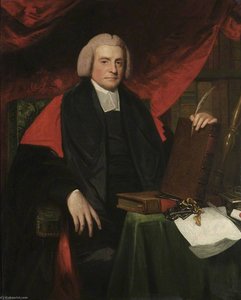
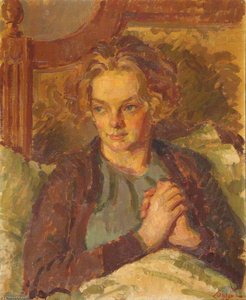
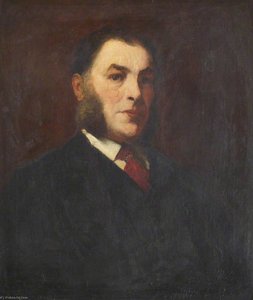
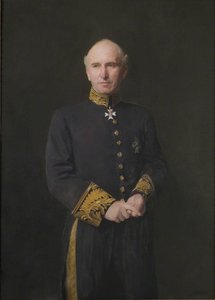
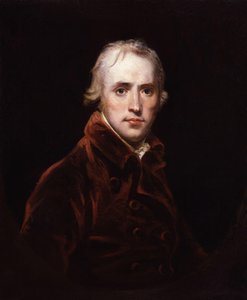
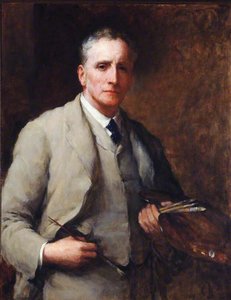
The collection within these walls is anchored by a remarkable series of portraits, offering intimate glimpses into the lives of figures who left indelible marks on British history and culture. Among these distinguished faces, Sir Christopher Wren stands out prominently. Before achieving renown as the architect responsible for rebuilding London after the Great Fire, Wren was an undergraduate here, immersed in a burgeoning scientific community. His portrait serves not only as a likeness but also as a symbol of the college’s nurturing environment for nascent genius. Equally compelling is the presence of William Blake , whose artistic and poetic vision continues to resonate today. These canvases often employ techniques like chiaroscuro and sfumato , reflecting the Baroque aesthetic prevalent during Wren’s formative years and highlighting a masterful use of color and texture to convey profound emotion.
A Crucible of Scientific Discovery and Architectural Grandeur
Beyond its artistic treasures, Wadham College holds a unique position in the annals of scientific history. During the mid-17 and century, under the guidance of Warden John Wilkins , the college became a focal point for intellectual exchange and experimentation. The Oxford Philosophical Club , meeting regularly within these walls, drew together luminaries such as Robert Boyle and Robert Hooke —pioneers whose work laid the foundations for modern chemistry and biology. These were collaborative explorations fueled by shared curiosity, and it was from these very meetings that the Royal Society ultimately emerged. The instruments of early scientific inquiry—telescopes, microscopes, and other ingenious devices on display—offer tangible evidence of this groundbreaking period.
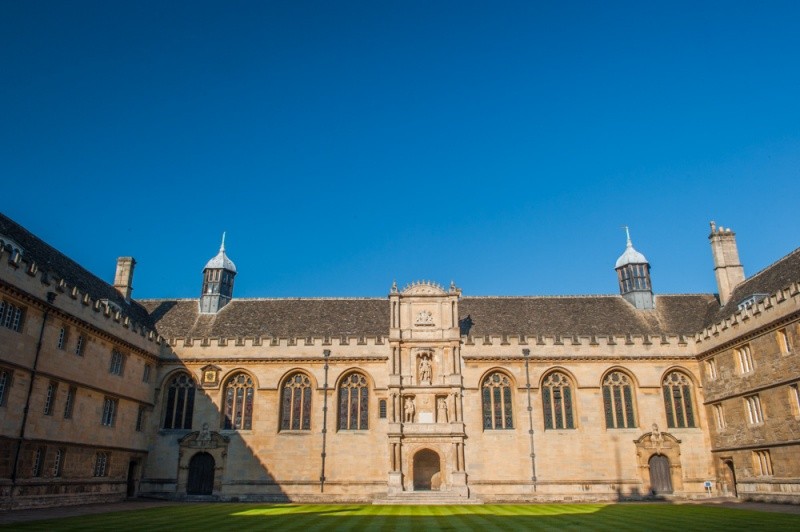
The architectural fabric of the college itself is a masterpiece of Jacobean design. Constructed between 1610 and 1613 under the direction of the architect William Arnold , the central buildings exude an air of stately elegance and intricate detail. The Hall, in particular, stands as a breathtaking example of this style—a space designed to inspire awe and foster a sense of community. Within this magnificent structure, sunlight streams through ornate windows, illuminating carved woodwork and soaring ceilings. Adjacent to these structures lie the serene Wadham Gardens , providing a tranquil oasis for contemplation. The influence of Warden Maurice Bowra further shaped the college’s character, fostering an environment of open-mindedness and meritocracy—a legacy commemorated by his statue in the gardens.