

A Phoenix from the Ashes: The Resilient Grandeur of the Royal Castle
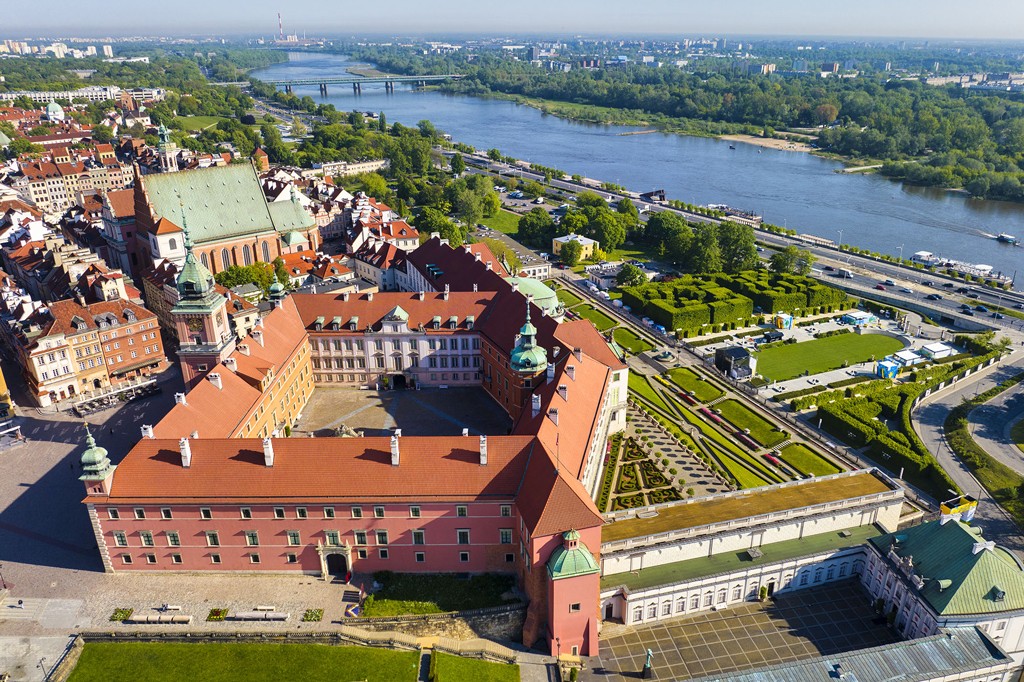
To step through the gates of the Zamek Królem w Warszawie is to witness a profound triumph of the human spirit over the ravages of time and conflict. Standing as a potent emblem of Polish identity, the Royal Castle in Warsaw is far more than a mere repository for exquisite artifacts; it is a meticulously reconstructed echo of royal life, political drama, and an unwavering national resolve. Originally established as a fortified residence for Masovian dukes in the 14th century, the Castle’s significance blossomed into its role as the primary seat of Polish monarchs, eventually eclipsing Kraków's Wawel Castle to become the beating heart of the Commonwealth. Within these hallowed walls, history was not merely recorded but actively forged, most notably during the drafting and proclamation of the Constitution of May 3rd, 1791—a landmark achievement that gifted Europe its first modern codified national constitution.
The architectural narrative of the Castle is a breathtaking symphony of evolving styles, where each era has left an indelible mark upon its stone and mortar. The foundation remains rooted in the austere Gothic traditions of Casimir I, yet the structure underwent a transformative evolution into the elegant Italian Mannerism under the masterful hands of architects such as Matteo Castulating and Giovanni Battista Trevanno. This stylistic richness was further deepened by the addition of the Baroque eastern wing, completed in 1747 by Gaetano Chiaveri, which introduced layers of sophisticated ornamentation and grandeur. For the discerning eye, the juxtaposition of Gothic arches with ornate Mannerist frescoes and opulent Baroque flourishes creates a harmonious yet complex aesthetic that reflects Poland’s shifting cultural landscape through the centuries.
However, the Castle’s beauty is inextricably linked to its tragic history of destruction and rebirth. Following the devastating events of World War II, where German forces systematically leveled the structure through bombing and intentional detonation, the Castle appeared lost to the annals of history. Yet, between 1971 and 1984, a heroic reconstruction effort painstakingly restored the edifice to its 17th-century splendor, a feat so significant that it earned the Castle a place on the UNESCO World Heritage Site list in 1980. This resurrection involved not only replacing stonework but also the painstaking recreation of interior decorations and the restoration of precious artworks that had narrowly escaped total annihilation.
For art lovers, collectors, and interior designers seeking inspiration, the treasures held within the Royal Apartments offer an unparalleled journey through artistic genius. The opulent chambers, bathed in soft pastel hues and adorned with gilded frames, provide an intimate glimpse into the courtly life of Polish monarchs. Beyond these private quarters, the collection serves as a treasure trove of Renaissance, Baroque, and Classical masterpieces. One cannot traverse these halls without being captivated by the works of Bernardo Bellotto , known as Canaletto . His remarkable vedute of Warsaw, captured before its destruction, serve as poignant windows into a vanished world, offering a hauntingly beautiful glimpse of a city that once was. Whether admiring the precision of Martino Altomonte’s architectural drawings or the vibrant Enlightenment-era light in Canaletto's landscapes, visitors find themselves immersed in a legacy of unparalleled artistic and historical significance.